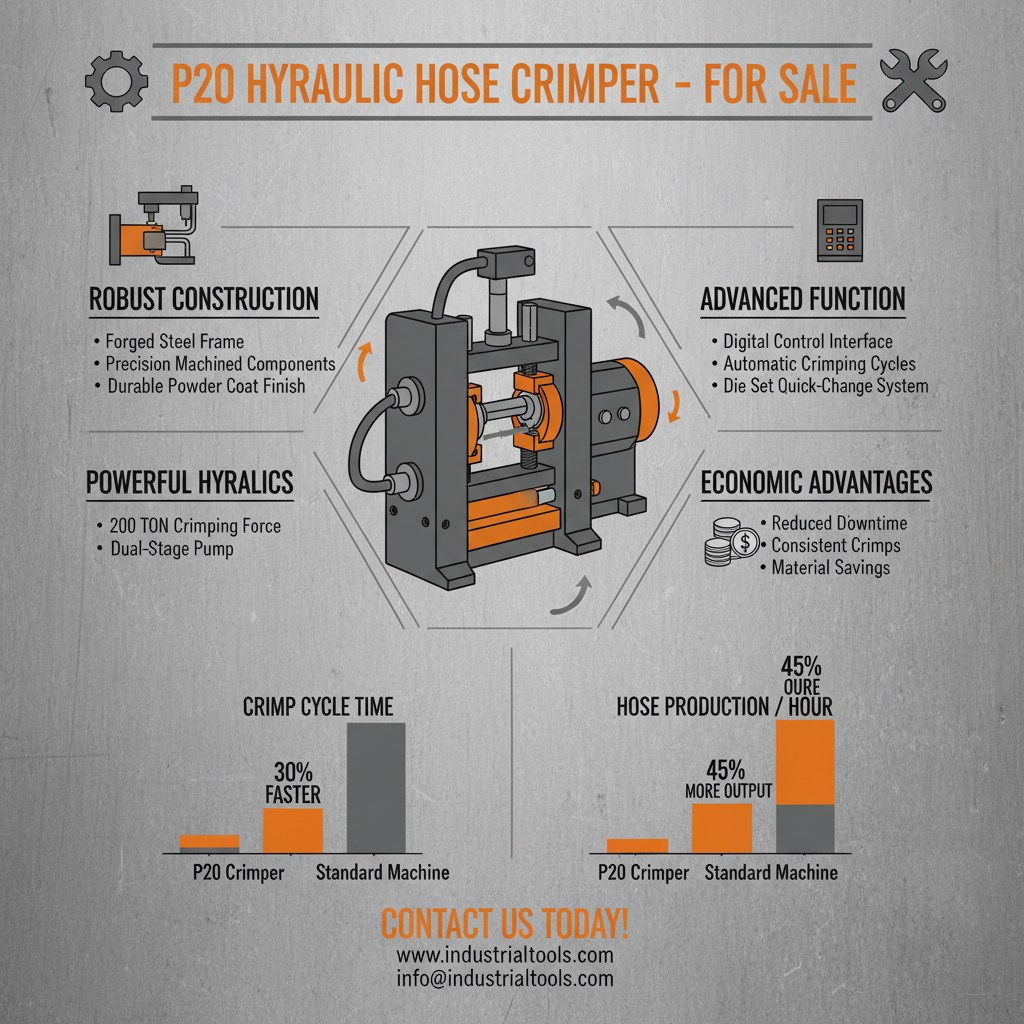
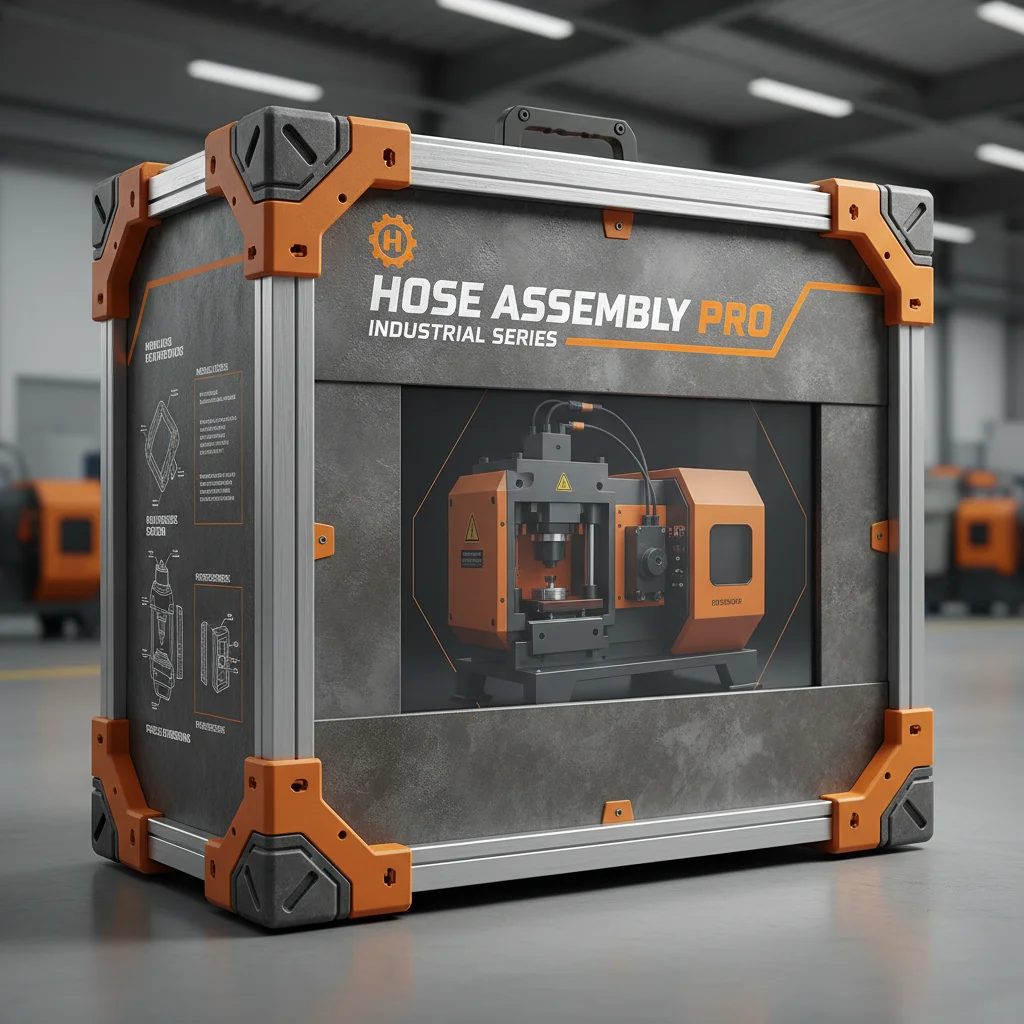
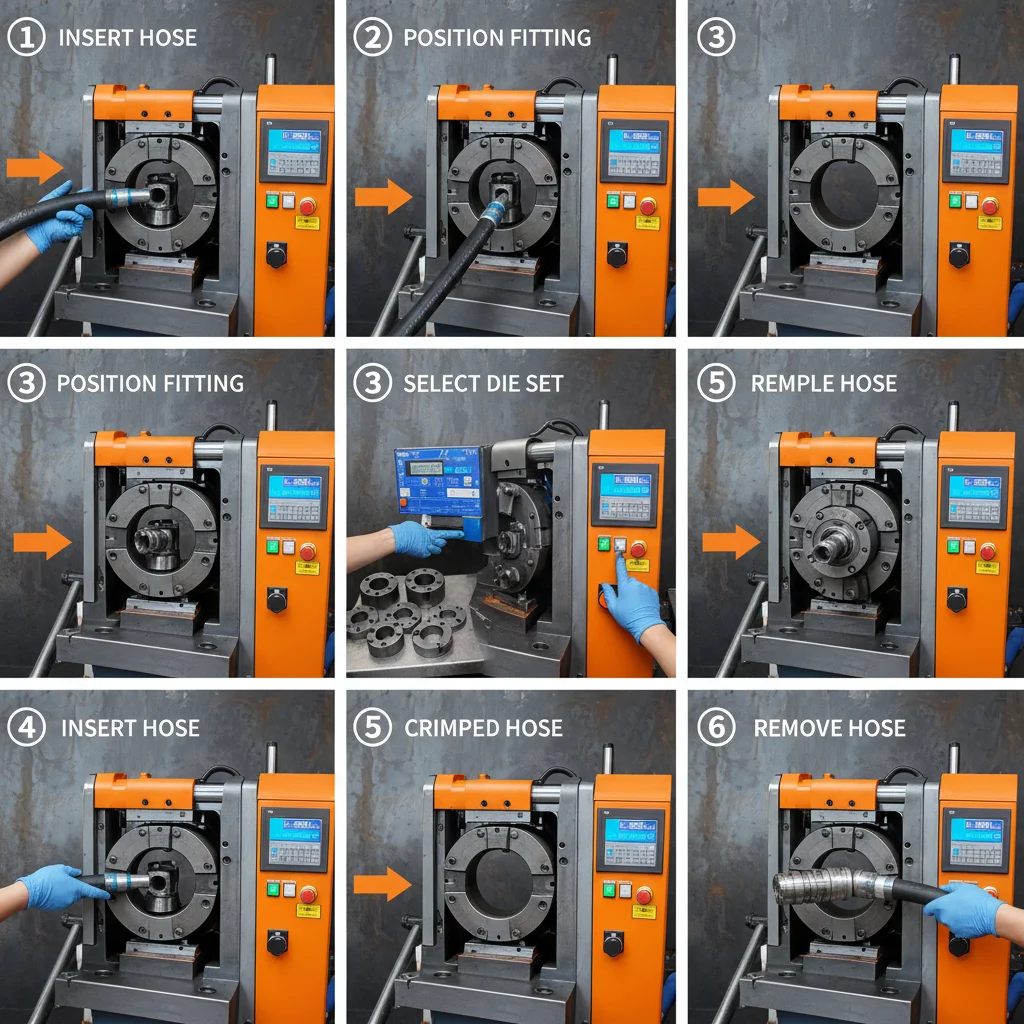
Look, I’ve spent the last twenty years crawling around construction sites, getting my hands dirty, and talking to the guys who actually use this equipment. When you're looking at a p20 hydraulic hose crimper for sale, it's not about fancy specs or marketing fluff. It's about reliability, getting the job done quickly, and not having to babysit a machine all day. The p20 is a workhorse; it's the tool you need when you can’t afford downtime, and frankly, on most sites, downtime costs more than the machine itself. We need equipment that just works, and the p20 consistently delivers.
What you quickly realize out there is that hose failures aren’t just an inconvenience; they’re safety hazards and massive project delays. A crimper that can consistently produce high-quality, durable connections is critical. The p20 isn’t the cheapest option, and that's on purpose. It’s built to last, to handle the rigors of daily use, and to minimize the risk of those costly failures. I've seen too many operations crippled by cheap crimpers, and believe me, the initial savings aren’t worth the headache.
And it’s not just about the big construction jobs. From agricultural repairs to mobile hydraulic services, there’s a huge demand for a portable, reliable crimping solution. The p20’s versatility is a major selling point. It’s rugged enough for a construction site but compact enough to throw in the back of a service truck. That’s a winning combination for a lot of folks.
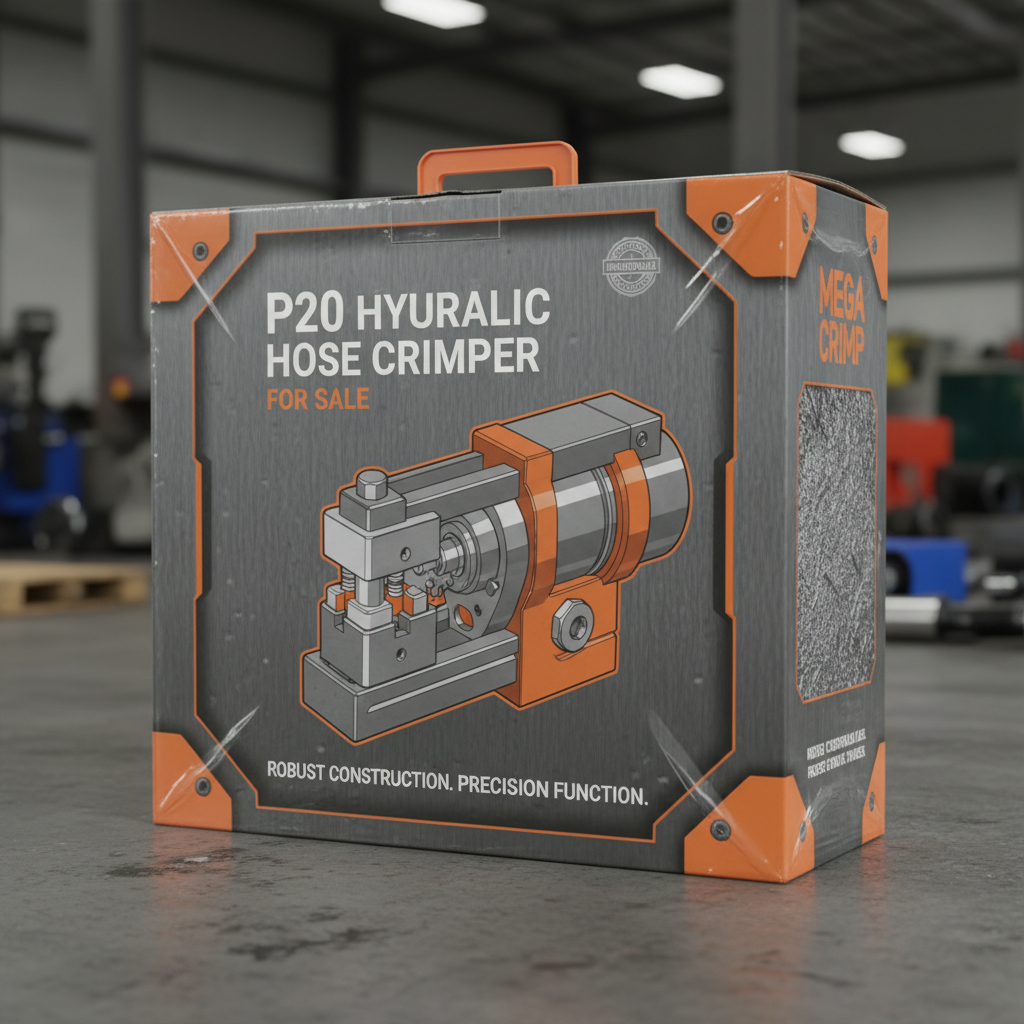
The Critical Role of the p20 Hydraulic Hose Crimper
Let’s be real, a hydraulic hose is only as good as its crimp. I’ve seen guys try to cut corners, use the wrong dies, or just generally rush the process, and it always ends badly. The p20 hydraulic hose crimper for sale gives you the confidence that the connection is solid, and that’s a game changer, especially on a demanding job site. It’s not just about making a hose; it’s about preventing failures and keeping people safe.
We’re talking about a tool that’s integrated into everything from heavy machinery repair to mobile hydraulic systems. The demand for reliable hose connections is massive, and the p20 is specifically designed to meet that demand consistently. It’s not a luxury item; it’s essential equipment.
Understanding p20 Hydraulic Hose Crimpers
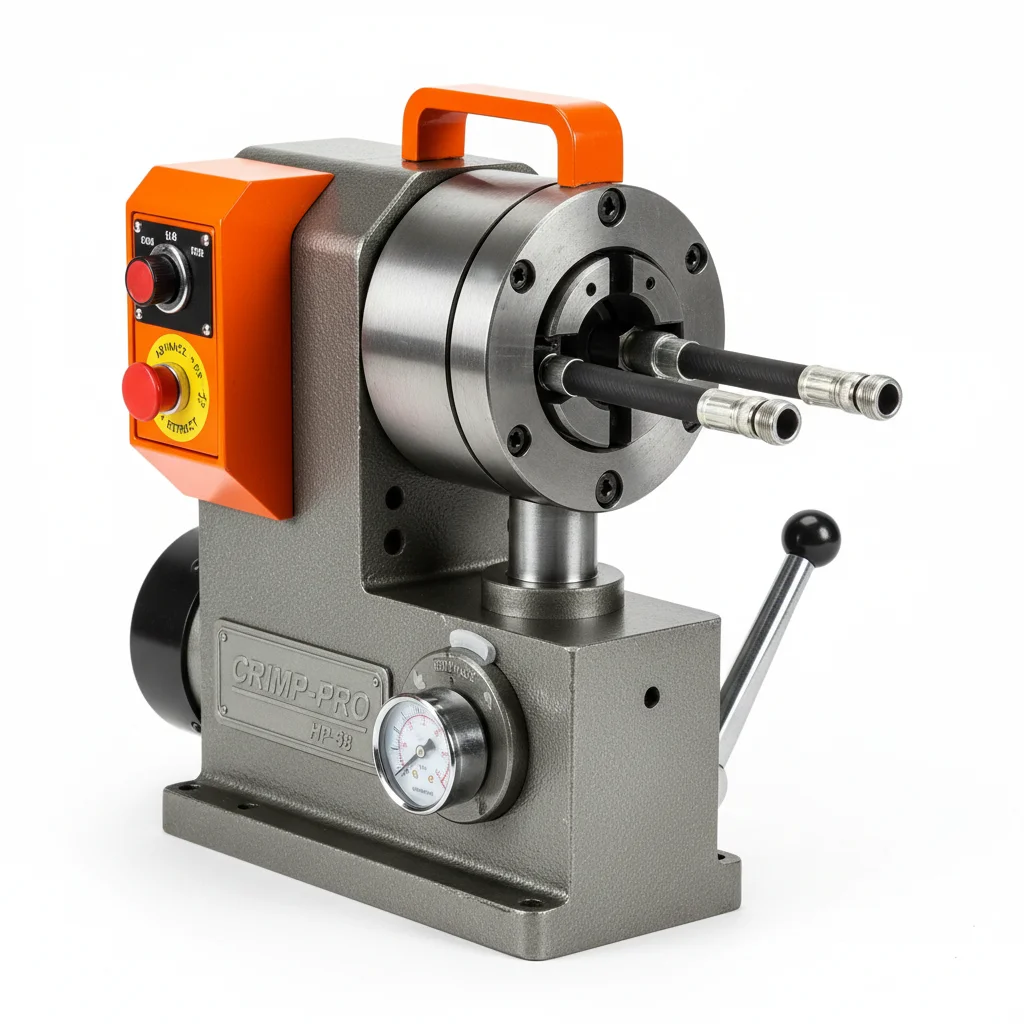
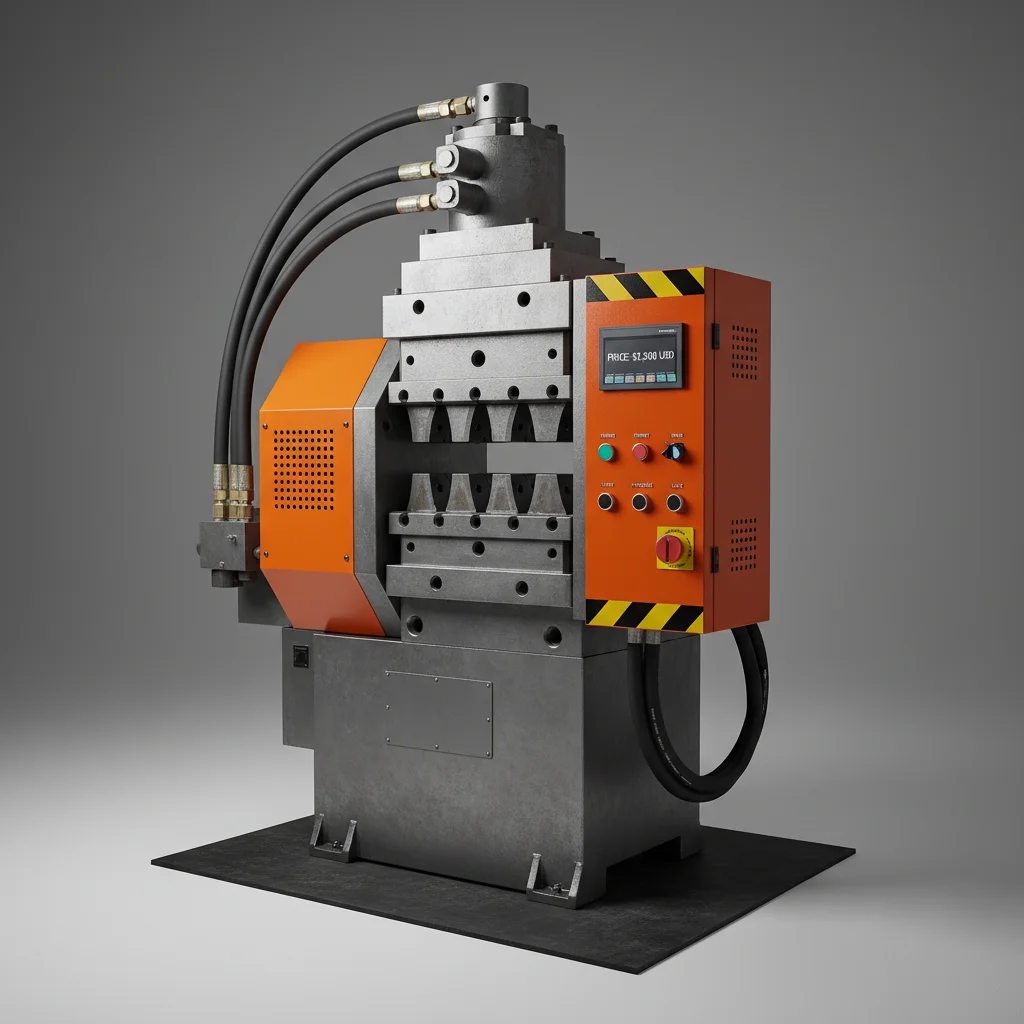
Essentially, the p20 is a portable hydraulic crimping tool designed to create secure connections on hydraulic hoses. It utilizes a die set that’s specifically matched to the hose size and type. It's a simple concept, but the precision and power behind the p20 are what sets it apart. It’s about consistently applying the right amount of force to create a permanent, leak-proof seal.
The reason these are so crucial? Hydraulic systems operate under immense pressure. A faulty crimp can lead to catastrophic failure, resulting in equipment damage, personal injury, or even fatalities. It's not something you want to gamble on, and that’s why a reliable, well-maintained crimper is non-negotiable.
And it’s not just about the crimp itself. The p20 is built with durability in mind. It’s designed to withstand the rough handling and harsh environments that are typical on a construction site. That’s a big deal because you don’t want to be constantly repairing or replacing the crimper itself.
Key Features Driving Reliability and Performance
Durability is paramount. The p20 is constructed from heavy-duty materials, designed to take a beating. I’ve seen these things dropped, covered in mud, and still keep on ticking. The quality of the components is noticeable, and that translates to a longer lifespan and reduced maintenance.
Portability is a major advantage. Being able to take the crimper to the job, instead of having to bring the hose to a shop, saves a ton of time and money. It's especially important for field service technicians or on remote construction sites. The size and weight are manageable, even for a single operator.
Precision is key. The die sets are accurately machined to ensure a consistent, reliable crimp every time. This minimizes the risk of leaks and failures, and it gives you peace of mind knowing that the connection is solid. It's the little details that make a big difference.
Global Applications and Industry Impact
You see these p20s everywhere. From construction and mining to agriculture and oil & gas, any industry that relies on hydraulic systems needs a reliable crimping solution. In the US, they’re standard on most large construction projects. I've seen them used extensively in Canada for pipeline maintenance, and increasingly in South America for agricultural applications.
In post-disaster relief operations, having a portable crimper is a lifesaver. Hydraulic equipment is often critical for clearing debris and restoring infrastructure, and being able to quickly repair damaged hoses can significantly speed up the recovery process. The p20's reliability is particularly important in these situations.
p20 Hydraulic Hose Crimper for Sale: Application Breakdown
Long-Term Value: Cost, Safety, and Efficiency
The upfront cost of a good crimper like the p20 is higher than some of the cheaper options out there, but that’s a false economy. The p20 is an investment. You’re paying for quality, durability, and reliability, which translates to reduced downtime, fewer repairs, and increased safety.
Think about it this way: a hose failure can shut down an entire operation, costing you time and money. A faulty crimp can also create a serious safety hazard, potentially leading to injuries or even fatalities. The cost of preventing those outcomes far outweighs the initial investment in a reliable crimper.
Future Trends in Hydraulic Hose Crimping Technology
We're seeing a growing demand for even more portable and automated crimping solutions. Battery-powered crimpers are becoming increasingly popular, offering greater flexibility and convenience. I’m also seeing more focus on smart crimping tools that can track crimp data and provide insights into hose performance.
The integration of digital technology will likely play a bigger role in the future. Remote diagnostics, predictive maintenance, and even automated crimping processes are all possibilities. But at the end of the day, the core principles remain the same: precision, reliability, and safety.
I expect we'll also see continued advancements in hose materials themselves, requiring crimpers that can adapt to those new materials and maintain consistent performance. The p20 is a solid foundation, and manufacturers will need to keep innovating to meet those evolving demands.
Addressing Challenges and Optimizing p20 Use
One common challenge is ensuring proper die selection. Using the wrong die can result in a weak or damaged crimp. It's crucial to have a clear understanding of hose specifications and to use the correct die for each application. Proper training is essential.
Regular maintenance is also critical. Lubricating moving parts, inspecting dies for wear, and keeping the crimper clean will significantly extend its lifespan and ensure consistent performance. A little preventative maintenance goes a long way.
Finally, it’s important to remember that the p20 is a tool, and like any tool, it’s only as good as the person using it. Proper technique and attention to detail are essential for achieving a reliable, high-quality crimp.
Table Summarizing Key Optimization Strategies for p20 Hydraulic Hose Crimper
| Challenge Area |
Optimization Strategy |
Implementation Difficulty (1-5) |
Potential Impact (1-5) |
| Incorrect Die Selection |
Develop a clear die selection guide and provide training. |
3 |
5 |
| Lack of Operator Training |
Implement a comprehensive training program for all operators. |
4 |
5 |
| Insufficient Maintenance |
Establish a regular maintenance schedule and provide necessary supplies. |
2 |
4 |
| Environmental Contamination |
Implement cleaning procedures and protect the crimper from harsh elements. |
2 |
3 |
| Improper Hose Preparation |
Ensure hoses are clean, free of damage, and properly sized before crimping. |
1 |
4 |
| Lack of Quality Control |
Implement visual inspections and pressure testing of crimped hoses. |
3 |
4 |
FAQS
With proper maintenance—regular lubrication, die inspections, and cleaning—a p20 can easily last 10-15 years or even longer. I’ve seen some on sites that are over two decades old and still going strong. The key is consistent care. Ignoring maintenance is what kills these machines.
Generally, a high-quality hydraulic oil with a viscosity of ISO VG 46 is ideal. Check the manufacturer's specifications for the most accurate recommendation. Using the wrong fluid can damage the pump and seals, leading to costly repairs. Don't skimp on the oil—it's a small price to pay for long-term reliability.
Dies should be inspected before every use for any signs of wear, cracks, or damage. Depending on the volume of hoses you’re crimping, dies should be replaced every 6-12 months, or sooner if you notice any imperfections in the crimp. Worn dies lead to weak connections and potential failures.
The p20 is versatile but has limitations. It's designed for standard hydraulic hoses, not extremely high-pressure or specialized hoses like those used in certain aerospace applications. Always check the hose specifications and ensure the p20 and its die sets are rated for the hose type and pressure.
Always wear safety glasses and gloves. Ensure the work area is clear of obstructions. Never put your hands or body parts near the crimping head during operation. Follow all manufacturer’s safety guidelines. Hydraulic systems operate under high pressure, and carelessness can lead to serious injury.
Look for reputable suppliers with a proven track record. Check online marketplaces, but be wary of deals that seem too good to be true. A trusted dealer will provide warranty support, technical assistance, and genuine parts. Willexcrimper is a great starting point for reliable equipment.
Conclusion
The p20 hydraulic hose crimper for sale isn’t just a piece of equipment; it’s a cornerstone of reliability and safety on countless job sites. Its durability, portability, and precision make it an invaluable tool for anyone working with hydraulic systems. Investing in a quality crimper like the p20 isn’t about saving money upfront; it’s about preventing costly downtime, ensuring worker safety, and building a reputation for quality work.
Looking ahead, the demand for reliable hose connections will only continue to grow. By prioritizing preventative maintenance, operator training, and staying informed about advancements in crimping technology, you can maximize the value of your p20 and ensure its long-term performance. Don't underestimate the importance of a solid crimp—it’s the difference between a job well done and a potential disaster. Visit our website at www.willexcrimper.com to learn more.