The global demand for reliable and efficient hydraulic pipe pressing is constantly rising, driven by industries like construction, automotive, and energy. Understanding the hydraulic pipe pressing machine price is crucial for businesses aiming to optimize their production processes and maintain a competitive edge. A well-chosen machine impacts not only the immediate cost but also long-term efficiency, safety, and product quality. Selecting the right equipment is no longer merely an expense; it's a strategic investment in operational excellence.
The significance of hydraulic pipe pressing machines extends beyond simple pipe joining. These machines are instrumental in creating leak-proof connections vital for safety-critical applications, from hydraulic systems in heavy machinery to pipelines transporting essential resources. The varying hydraulic pipe pressing machine price reflects diverse capabilities, materials, and automation levels, presenting both challenges and opportunities for buyers navigating the market.
Accurate assessment of hydraulic pipe pressing machine price involves analyzing total cost of ownership – initial investment, maintenance, operational expenses, and potential downtime. Ignoring these factors can lead to unexpected costs and reduced productivity. A thorough understanding of the technology and market dynamics is essential for informed decision-making and maximizing return on investment.
The Global Landscape of hydraulic pipe pressing machine price
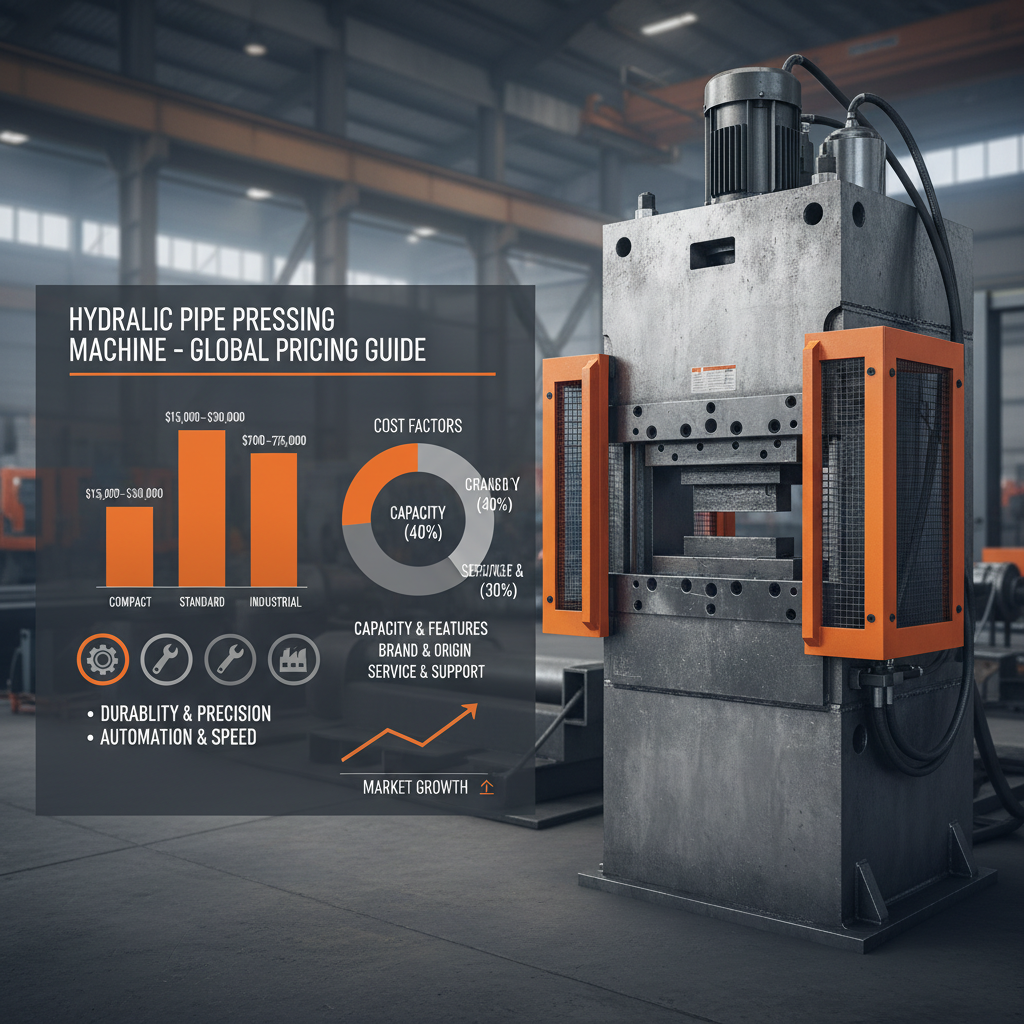
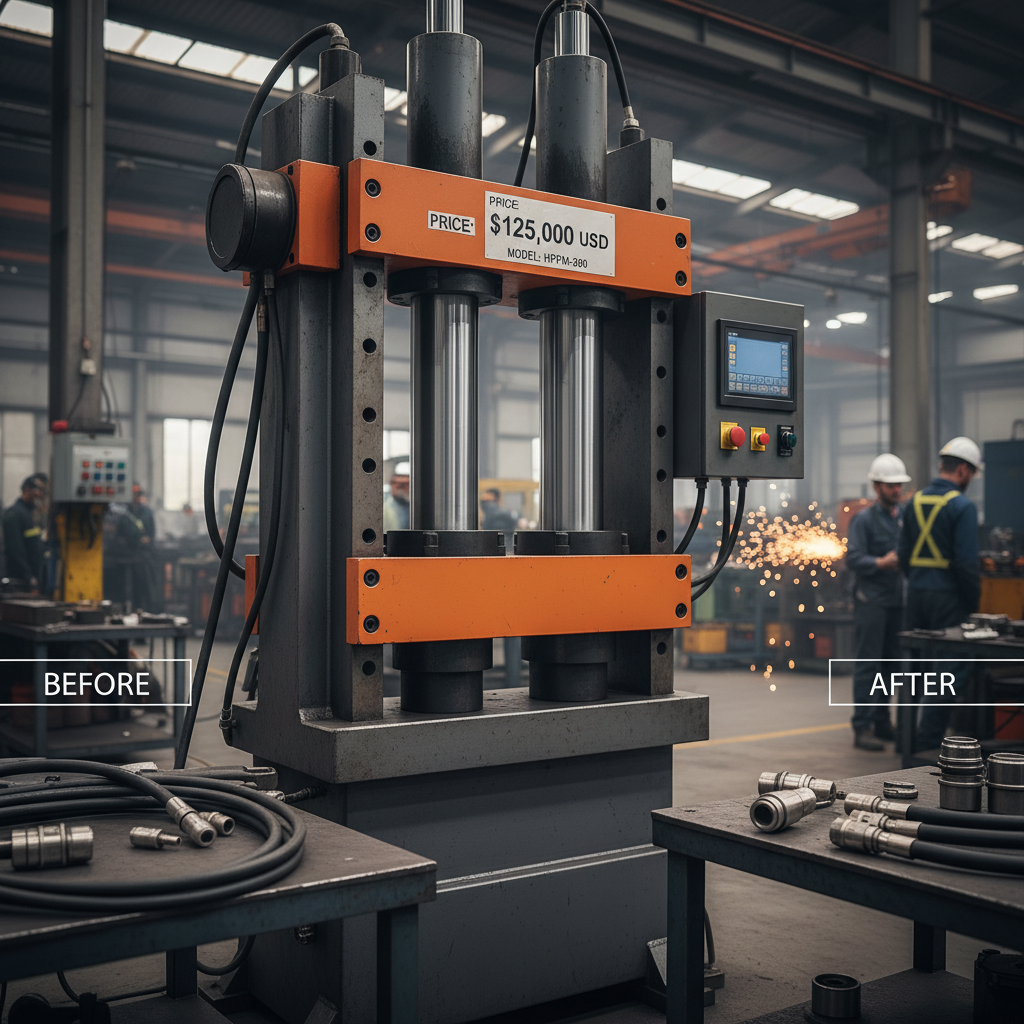
The hydraulic pipe pressing machine market is a substantial component of the global industrial equipment sector. According to recent reports, the global hydraulic machinery market was valued at approximately USD 65.8 billion in 2023 and is projected to reach USD 82.1 billion by 2030, with a CAGR of 3.7% (Source: Grand View Research). This growth is largely fueled by increased infrastructure development in emerging economies, particularly in Asia-Pacific and the Middle East. The hydraulic pipe pressing machine price varies considerably based on factors like automation, capacity, and precision, making it essential for buyers to understand the market dynamics.
Fluctuations in raw material prices (steel, hydraulic components) and global supply chain disruptions significantly impact the hydraulic pipe pressing machine price. Geopolitical events and trade tariffs also contribute to price volatility. Furthermore, the increasing demand for environmentally friendly and energy-efficient machines is pushing manufacturers to invest in new technologies, influencing pricing strategies.
Defining hydraulic pipe pressing machine price
The term hydraulic pipe pressing machine price refers to the total cost associated with acquiring a machine designed to create secure, leak-proof connections between pipes using hydraulic pressure. This encompasses not only the initial purchase price of the machine itself but also related expenses such as tooling, installation, training, and ongoing maintenance. Understanding this holistic pricing structure is crucial for accurate budget planning.
In modern industry, hydraulic pipe pressing machines are critical for ensuring the reliability and safety of fluid power systems. They're used extensively in applications where precise and durable connections are paramount, such as aerospace, oil and gas, and manufacturing. The hydraulic pipe pressing machine price is directly linked to the machine’s capacity, precision, and the types of materials it can process.
The evolution of hydraulic pipe pressing technology from manual operation to fully automated systems reflects a commitment to efficiency and quality. This ongoing development has resulted in a wider range of machine options, each with a corresponding price point reflecting its technological sophistication and capabilities. A thorough analysis of needs versus available budget is key to making the right investment.
Core Components Influencing Price
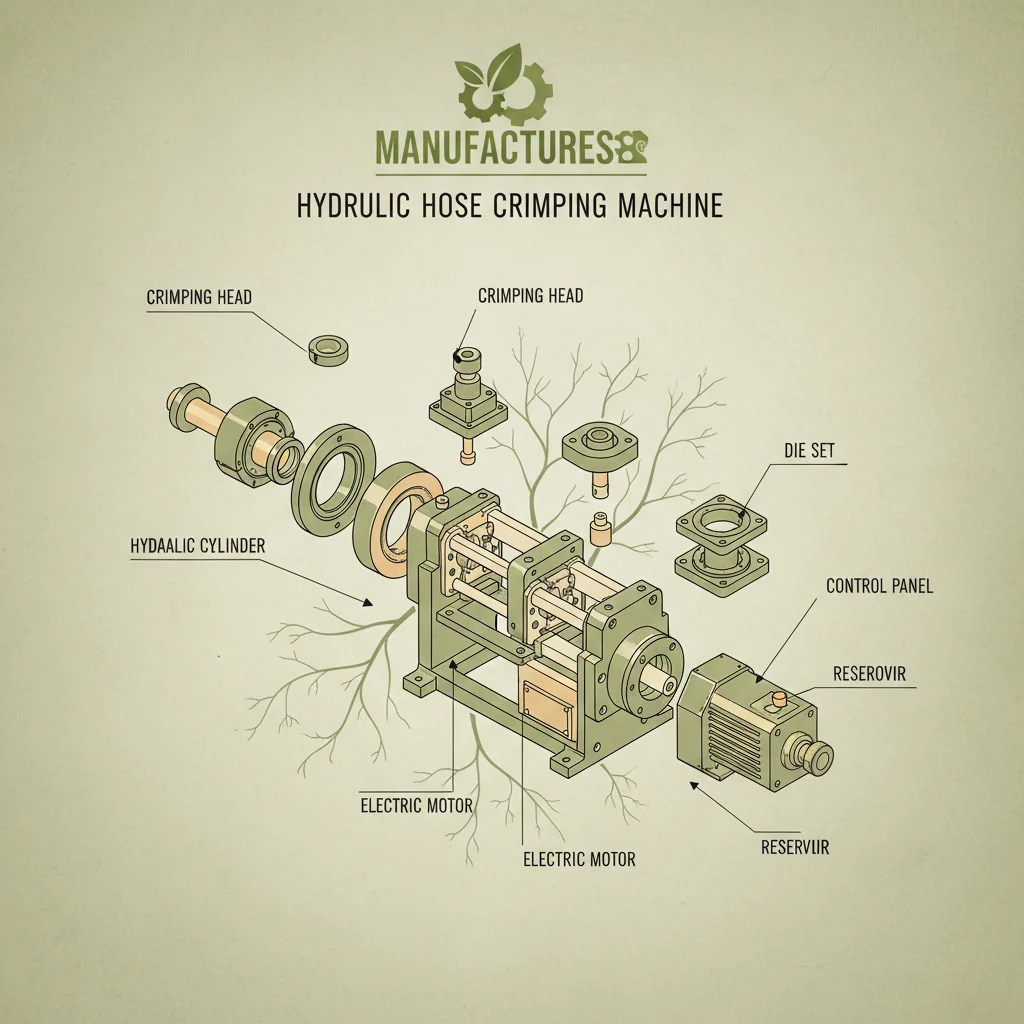
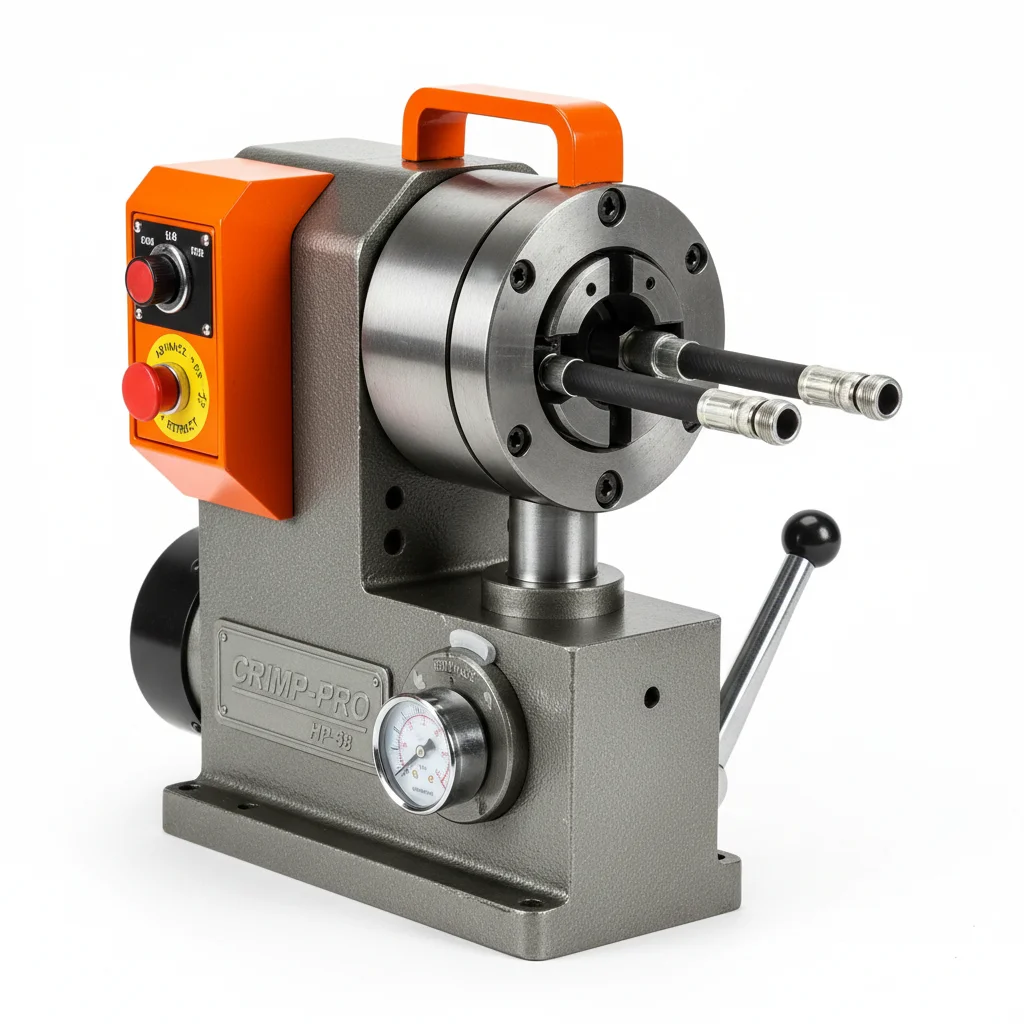
Several core components significantly contribute to the hydraulic pipe pressing machine price. The hydraulic pump, responsible for generating the necessary pressure, is a major cost driver. Higher-capacity pumps, capable of handling larger diameter pipes and tougher materials, will naturally command a higher price. The control system – whether manual, semi-automatic, or fully automated – also plays a crucial role; automated systems, offering increased precision and reduced labor costs, typically come at a premium.
The quality of the dies and tooling used in the pressing process is another significant factor. High-precision, durable dies made from hardened steel are essential for creating consistent, leak-proof connections and contribute substantially to the overall hydraulic pipe pressing machine price. Additionally, the frame and structural integrity of the machine, often constructed from heavy-duty steel, directly impact its stability, durability, and therefore, cost.
Finally, the inclusion of safety features, such as emergency stop buttons, safety guards, and pressure relief valves, adds to the machine's overall price. These features are not merely compliance requirements but are vital for protecting operators and ensuring a safe working environment. Machines adhering to stringent safety standards (ISO, CE) generally have a higher hydraulic pipe pressing machine price.
Key Factors Driving hydraulic pipe pressing machine price
The hydraulic pipe pressing machine price is heavily influenced by the machine’s capacity, measured by the maximum pipe diameter it can handle. Larger capacity machines, capable of processing larger pipes, naturally cost more due to their increased size, more powerful components, and greater structural requirements.
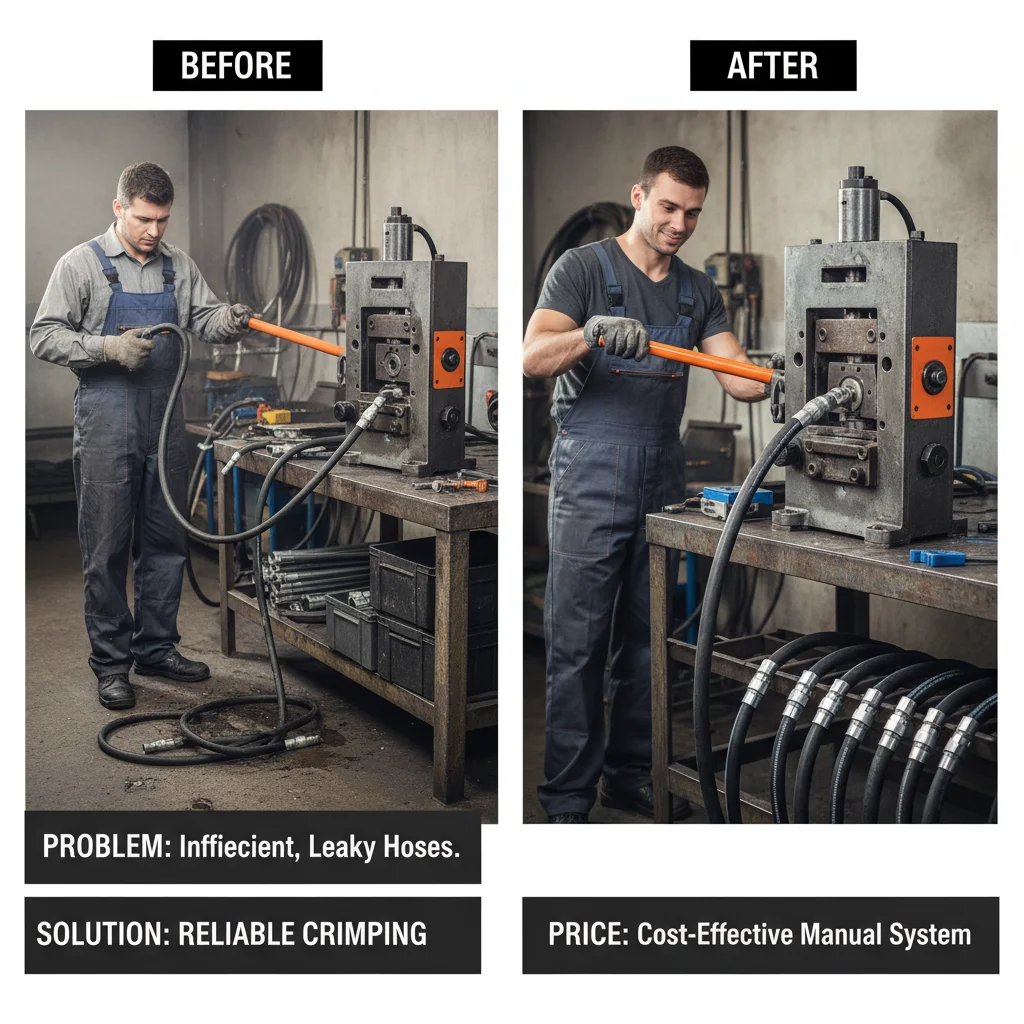
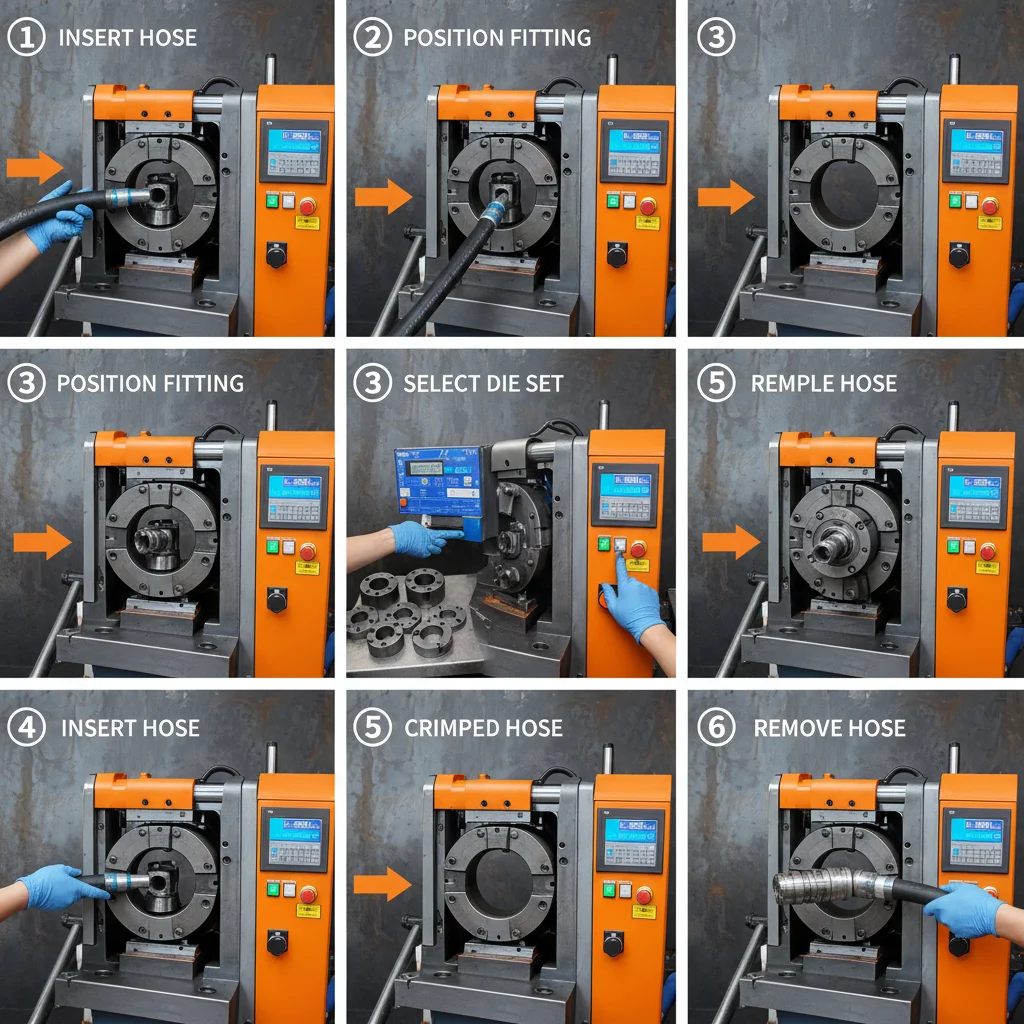
The level of automation is a critical factor. Manual machines are the most affordable option, but require skilled operators and offer limited precision. Semi-automatic machines provide a balance between cost and efficiency, while fully automated machines represent the highest investment but offer superior precision, speed, and reduced labor costs. Therefore, the hydraulic pipe pressing machine price escalates with each level of automation.
Cost Drivers for hydraulic pipe pressing machine price
Global Applications and Sector-Specific Costs
Hydraulic pipe pressing machines find widespread application across diverse industries. The oil and gas sector requires robust machines for constructing and maintaining pipelines, often demanding specialized high-pressure capabilities, resulting in higher hydraulic pipe pressing machine price. In the automotive industry, these machines are critical for producing hydraulic lines for braking and steering systems, necessitating precision and reliability.
The construction industry relies heavily on hydraulic pipe pressing machines for plumbing, HVAC systems, and fire suppression networks. In this sector, the hydraulic pipe pressing machine price can vary significantly based on the scale of projects, the types of materials used (copper, stainless steel, PEX), and the need for portability. Furthermore, in the aerospace sector, stringent quality control and demanding material requirements lead to the highest hydraulic pipe pressing machine price due to the need for specialized equipment and rigorous testing.
Advantages and Long-Term Value Proposition
Investing in a quality hydraulic pipe pressing machine offers numerous long-term benefits that justify the initial hydraulic pipe pressing machine price. Enhanced reliability and durability of pipe connections translate into reduced maintenance costs and minimized downtime, leading to significant cost savings over the machine's lifespan. Furthermore, the consistent quality of pressed connections minimizes the risk of leaks and failures, enhancing safety and protecting valuable assets.
The efficiency gains achieved through automated hydraulic pipe pressing also contribute to a strong return on investment. Faster cycle times and reduced labor requirements translate into increased production capacity and lower operating costs. Furthermore, the precision offered by these machines minimizes material waste and improves overall product quality, solidifying a brand's reputation for excellence.
Future Trends and Price Predictions
The future of hydraulic pipe pressing machine technology is focused on greater automation, integration with Industry 4.0 principles, and the development of smart machines. Expect to see increased use of sensors, data analytics, and remote monitoring capabilities, allowing for predictive maintenance and optimized performance. These advancements will likely drive the hydraulic pipe pressing machine price upwards initially, but the long-term benefits in terms of efficiency and reduced downtime will outweigh the initial investment.
Sustainability is another key trend influencing the industry. Manufacturers are increasingly adopting eco-friendly materials and energy-efficient designs, resulting in machines with a lower environmental footprint. The demand for machines capable of processing new materials, such as biodegradable polymers, will also shape future price points. Digital twin technology, allowing for virtual simulation and optimization of pressing processes, will also become more prevalent.
The integration of Artificial Intelligence (AI) into hydraulic pipe pressing machines promises to revolutionize the industry. AI-powered systems can automatically adjust parameters to optimize performance, detect anomalies, and even self-diagnose and repair issues, further enhancing efficiency and reducing costs, ultimately impacting the hydraulic pipe pressing machine price in the long run.
FAQS
The most significant factors influencing price include the machine's capacity (maximum pipe diameter), the level of automation (manual, semi-automatic, or fully automatic), the quality of the hydraulic components and dies, and the brand reputation. Specialized features, such as remote monitoring or advanced control systems, also contribute to the overall cost. Understanding these factors is crucial when evaluating hydraulic pipe pressing machine price.
While automated machines have a higher initial hydraulic pipe pressing machine price, they often result in lower long-term costs. Automation reduces labor requirements, increases production speed and precision, minimizes material waste, and reduces the risk of errors. These factors contribute to a faster return on investment and increased profitability.
A well-maintained hydraulic pipe pressing machine can typically last for 10-20 years, or even longer, depending on the quality of the machine, the intensity of use, and the adherence to recommended maintenance schedules. Regular inspections, lubrication, and timely replacement of worn components are crucial for maximizing the machine's lifespan and minimizing downtime.
Hidden costs can include tooling and die replacements, maintenance contracts, operator training, electricity consumption, and potential downtime for repairs. It's important to factor these costs into your budget when evaluating the overall hydraulic pipe pressing machine price and total cost of ownership.
Determining the right capacity involves assessing the maximum pipe diameter you'll be processing and the types of materials you'll be working with. It’s best to choose a machine with a capacity slightly larger than your current needs to accommodate future growth and potential changes in your product line. Consulting with a hydraulic pipe pressing machine specialist can help you make an informed decision.
Essential safety features include emergency stop buttons, safety guards, pressure relief valves, and interlocks that prevent operation if the guards are not in place. Machines that comply with relevant safety standards (ISO, CE) offer greater peace of mind and reduce the risk of accidents. Prioritizing safety is paramount, regardless of the hydraulic pipe pressing machine price.
Conclusion
In conclusion, understanding the hydraulic pipe pressing machine price requires a comprehensive evaluation of not only the initial investment but also the long-term benefits, operational costs, and future trends shaping the industry. By considering factors such as capacity, automation, material quality, and brand reputation, businesses can make informed decisions that optimize their production processes and enhance their competitive advantage.
Looking ahead, the integration of advanced technologies, such as AI and Industry 4.0 principles, will continue to drive innovation and potentially impact pricing structures. Investing in a quality hydraulic pipe pressing machine is not merely an expense; it’s a strategic investment in efficiency, reliability, and long-term success. For reliable solutions and competitive hydraulic pipe pressing machine price, visit our website today.