In the demanding world of hydraulic system assembly, the precision of a hose crimper 1 4 3 8 in capacity is not just a technical requirement—it is a safety imperative. When dealing with high-pressure fluid power, the integrity of the connection between the hose and the fitting determines whether a machine operates at peak efficiency or suffers a catastrophic failure. Understanding the nuances of crimping capacity ensures that operators can maintain leak-free seals across a variety of industrial applications.
Globally, the demand for specialized equipment like the hose crimper 1 4 3 8 in capacity has surged as mining, agriculture, and heavy machinery sectors evolve toward higher pressure ratings and tighter tolerances. The ability to consistently achieve the correct crimp diameter prevents "blow-offs" and ensures that hoses can withstand the rigorous cyclic loading found in hydraulic circuits. This precision is what separates a professional-grade assembly from a risky, makeshift repair.
Whether you are managing a large-scale production facility or a mobile repair service, investing in a hose crimper 1 4 3 8 in capacity provides the scalability needed to handle diverse hose sizes. By mastering the technical parameters of this equipment, businesses can reduce downtime, lower material waste, and improve the overall lifespan of their hydraulic assemblies, ultimately driving higher profitability and operational safety.
Global Relevance of Hose Crimper 1 4 3 8 in Capacity
The global industrial landscape relies heavily on hydraulic power, and the hose crimper 1 4 3 8 in capacity serves as a critical link in the supply chain of heavy equipment maintenance. According to ISO standards for fluid power, the precision of the crimp is the primary factor in preventing environmental contamination and workplace accidents. In sectors like mining and metallurgy, where machinery operates in extreme conditions, the reliability of these connections is non-negotiable.
Across Europe, North America, and Asia, the transition toward "Industry 4.0" has pushed manufacturers to seek equipment that offers both versatility and precision. A hose crimper 1 4 3 8 in capacity addresses the challenge of standardization, allowing a single machine to handle multiple hose diameters and fitting types without compromising the structural integrity of the assembly.
Defining the Hose Crimper 1 4 3 8 in Capacity Standard
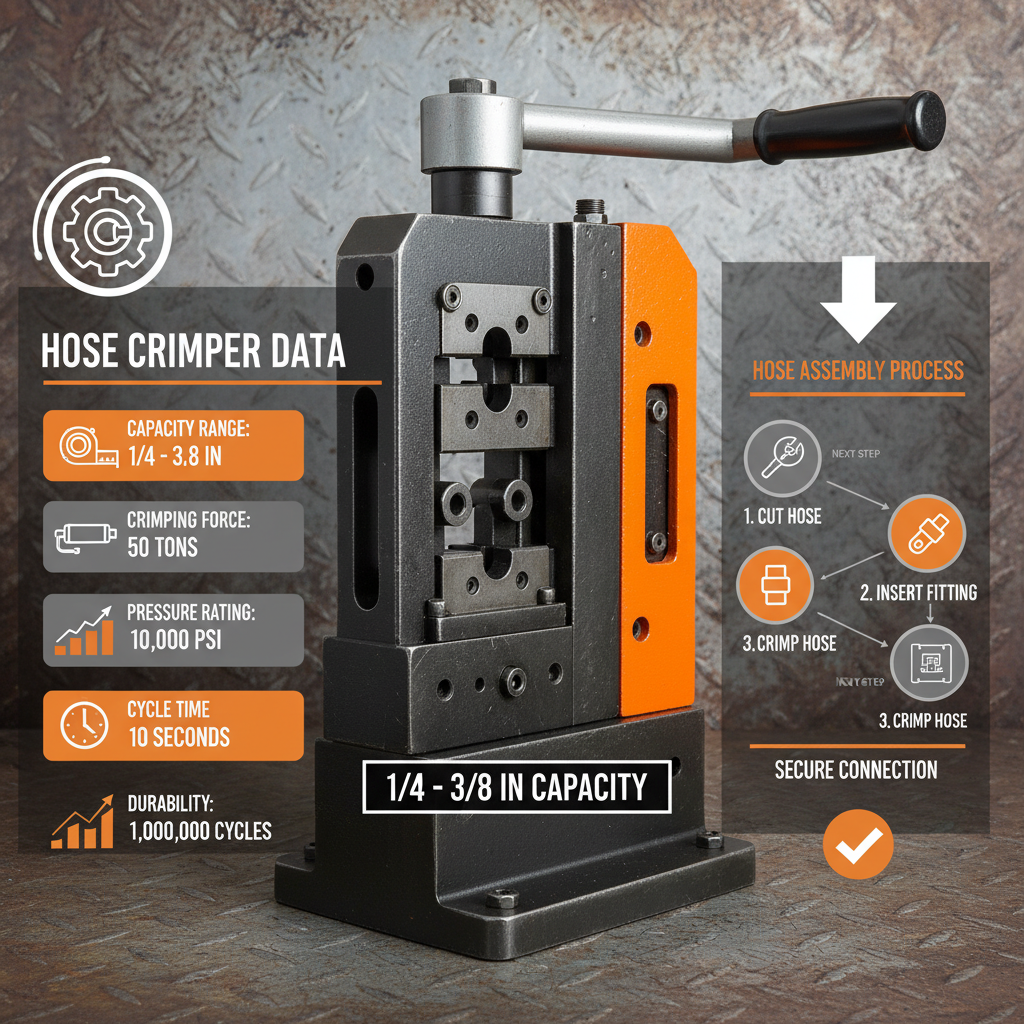
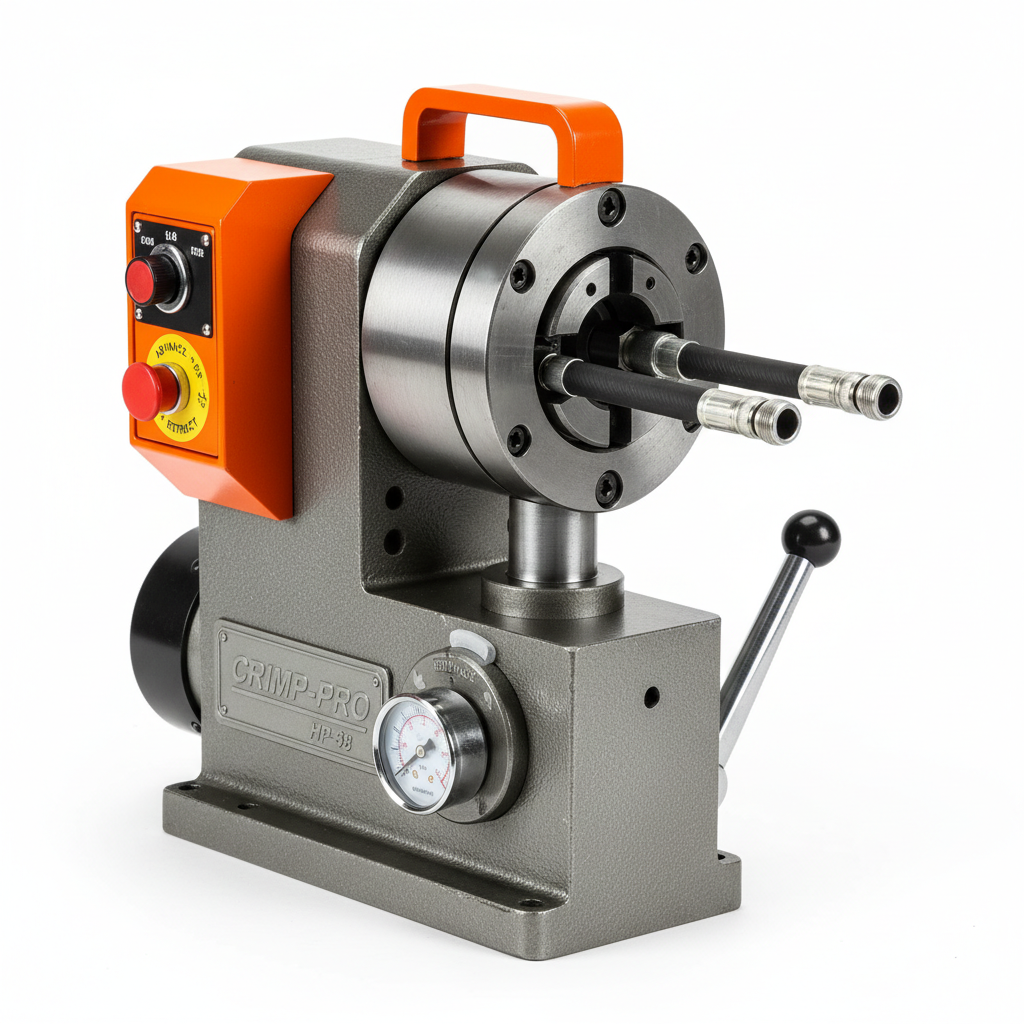
In simple terms, a hose crimper 1 4 3 8 in capacity is a high-pressure mechanical device designed to deform a metal sleeve (ferrule) around a hydraulic hose and fitting, creating a permanent, leak-proof bond. The "1 4 3 8 in capacity" refers to the range of diameters the machine can effectively compress, ensuring that everything from small-bore control lines to medium-duty pressure hoses is secured according to engineering specifications.
This equipment is essential for modern industrial needs because it replaces outdated, unreliable methods of hose attachment. In the context of humanitarian aid and disaster relief—where heavy machinery is often used to clear debris or transport water—the ability to quickly and safely fabricate a hose on-site using a hose crimper 1 4 3 8 in capacity can be the difference between a project continuing or grinding to a halt.
Beyond the mechanical action, this standard encompasses the precision of the crimping dies and the accuracy of the pressure gauge. By adhering to strict capacity guidelines, operators ensure that the hose is not "over-crimped" (which can crush the internal wire reinforcement) or "under-crimped" (which leads to the fitting slipping under pressure).
Core Components for Optimal Crimping Performance
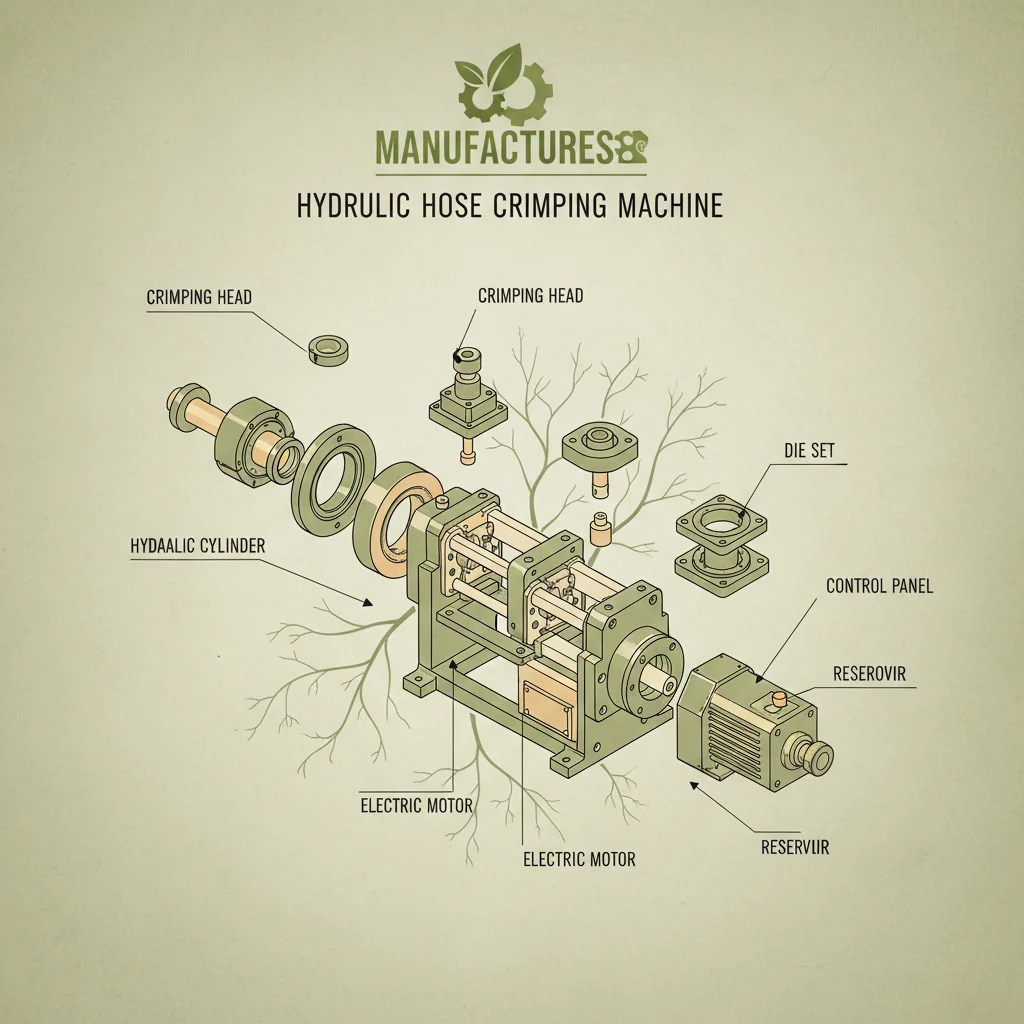
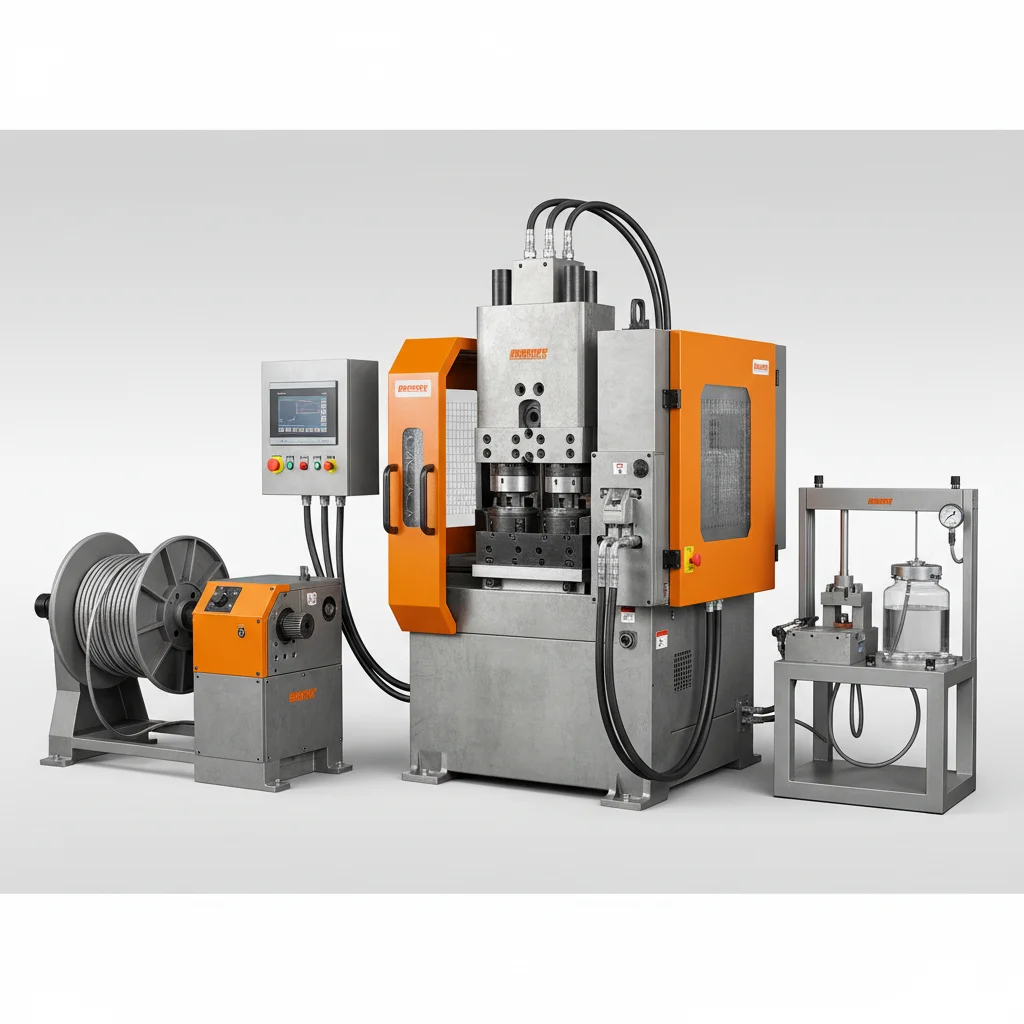
Durability is the cornerstone of any hose crimper 1 4 3 8 in capacity. The frame must be constructed from high-grade alloy steel to resist deformation under the immense tons of pressure required to compress metal ferrules. Without a rigid chassis, the crimping force would be unevenly distributed, leading to inconsistent diameters and potential safety risks in the field.
Precision die sets are what give the hose crimper 1 4 3 8 in capacity its versatility. These interchangeable dies are engineered to specific tolerances, ensuring that the radial compression is perfectly centered. This accuracy is vital for maintaining the E-E-A-T (Experience, Expertise, Authoritativeness, Trustworthiness) principles of industrial fabrication, as it guarantees that every hose meets international safety codes.
Scalability and cost-efficiency are also key factors. By choosing a hose crimper 1 4 3 8 in capacity, workshops can consolidate their equipment, using one machine for various hose sizes rather than investing in multiple single-purpose tools. This reduction in footprint and capital expenditure makes it an ideal choice for growing enterprises in the hydraulic sector.
Practical Applications and Industry Use Cases
The versatility of a hose crimper 1 4 3 8 in capacity allows it to be deployed across diverse environments. In the mining industry, for instance, these machines are used in remote workshops to repair hydraulic lines on excavators and drill rigs. The ability to quickly swap dies and crimp a new assembly means that expensive machinery is back in operation in hours rather than days.
In agricultural sectors, particularly in the Midwest US or the plains of Brazil, the hose crimper 1 4 3 8 in capacity is essential during harvest seasons. When a hydraulic line on a combine harvester bursts, a local service center using this equipment can provide an immediate, factory-standard replacement that can withstand the high-pressure demands of heavy crop processing.
Performance Efficiency of Hose Crimper 1 4 3 8 in Capacity Methods
Long-Term Value and Reliability Benefits
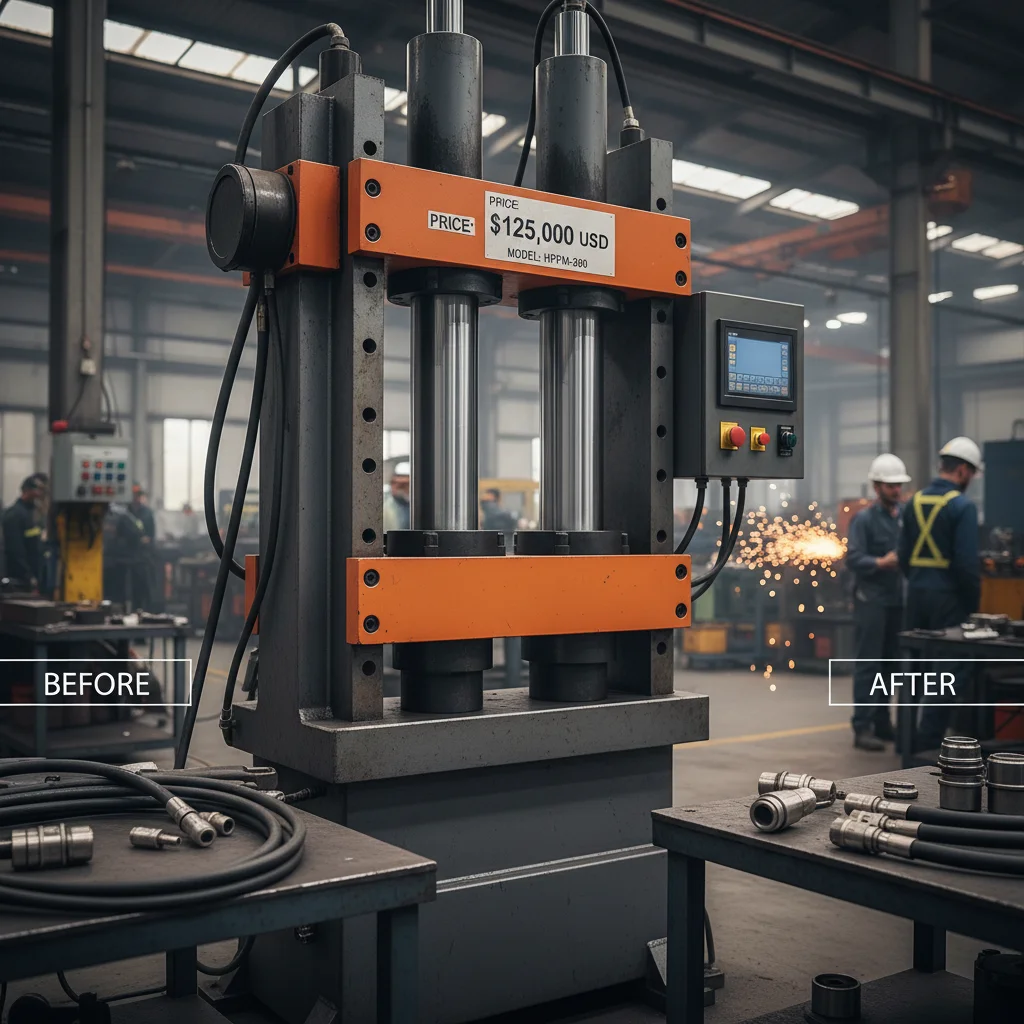
The tangible benefit of using a professional hose crimper 1 4 3 8 in capacity is the drastic reduction in long-term operational costs. By eliminating the need to order pre-assembled hoses from distant suppliers, companies can reduce their lead times from weeks to minutes. This agility not only saves money on shipping but prevents the massive losses associated with machine downtime in high-output factories.
Beyond the logic of cost, there is an emotional angle of trust and safety. When a technician uses a calibrated hose crimper 1 4 3 8 in capacity, they are providing a guarantee of safety to the end-user. Knowing that a hose will not fail under 5,000 PSI of pressure provides peace of mind to operators, ensuring that innovation in hydraulic power doesn't come at the cost of human dignity or safety.
Future Trends in Hydraulic Crimping Technology
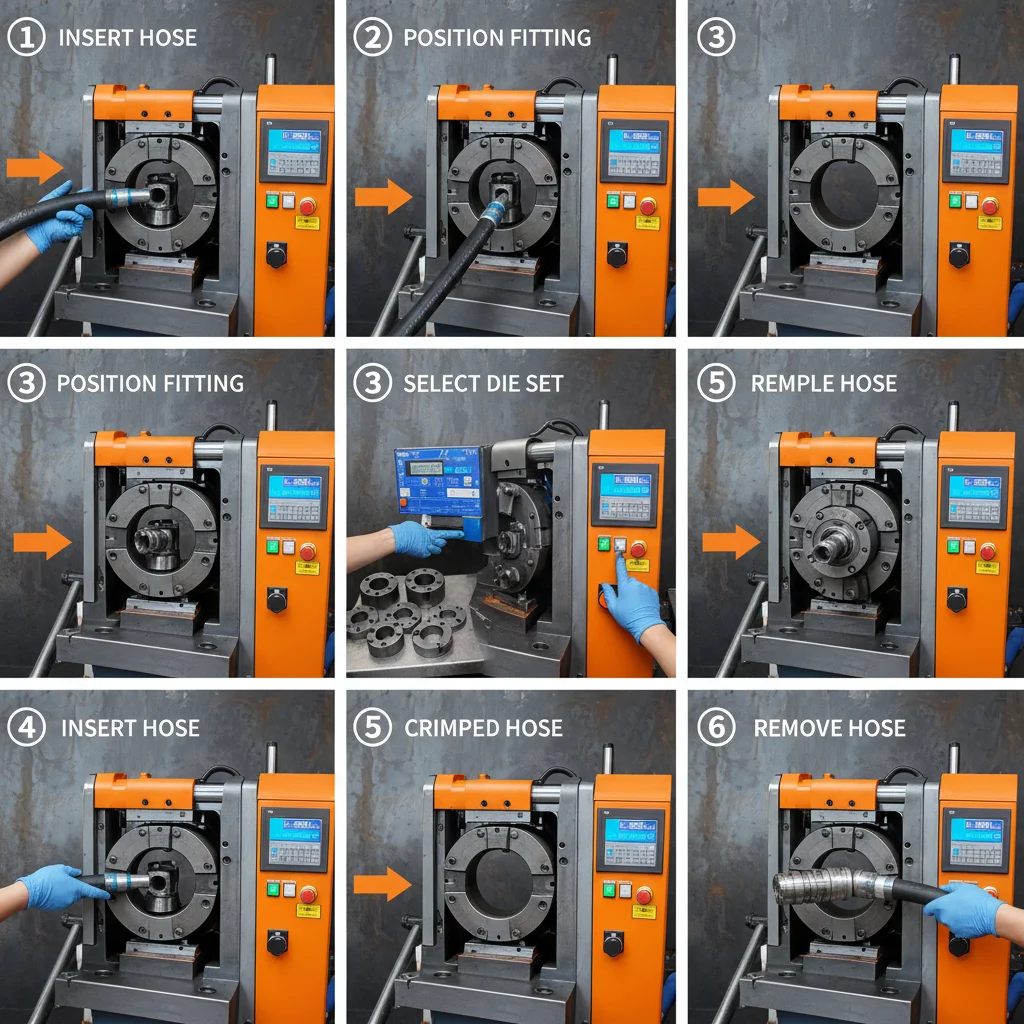
As we move toward a greener industrial future, the hose crimper 1 4 3 8 in capacity is evolving. We are seeing a shift toward energy-efficient servo-hydraulic systems that reduce power consumption during the crimping cycle. Digital transformation is also playing a role, with integrated software that allows operators to select the hose and fitting type from a screen, automatically setting the precise crimp diameter.
Automation is another major trend. Future iterations of the hose crimper 1 4 3 8 in capacity will likely feature robotic loading systems, allowing for the mass production of pre-assembled hoses with zero human error. This transition will be critical for the automotive and aerospace industries, where tolerances are measured in microns and failure is not an option.
Furthermore, the development of sustainable, bio-degradable hydraulic fluids is pushing manufacturers to create ferrules and hoses that are more chemically resistant. The hose crimper 1 4 3 8 in capacity must adapt to these new materials, requiring updated die geometries to ensure that the bond remains secure even with the varying elasticity of eco-friendly hose compounds.
Overcoming Common Challenges in Hose Assembly
One of the most common challenges when using a hose crimper 1 4 3 8 in capacity is "over-crimping," which can compromise the hose's structural integrity by crushing the internal wire braids. Expert insights suggest that implementing a digital measurement system—using a calibrated micrometer after every crimp—is the only way to ensure total consistency. Training staff on the specific physics of compression is just as important as the machine itself.
Another limitation is die wear and tear. Over time, the precision of the hose crimper 1 4 3 3 8 in capacity dies can degrade, leading to "ovalization" of the ferrule. The solution lies in a rigorous preventive maintenance schedule and the use of hardened tool-steel dies that offer higher resistance to abrasion. Regular calibration against a master gauge ensures that the machine remains within OEM specifications.
Finally, the challenge of material compatibility can be daunting. Different brands of hoses require slightly different crimp diameters even if they share the same nominal size. To overcome this, we recommend maintaining a comprehensive "Crimp Chart" database integrated with the hose crimper 1 4 3 8 in capacity, allowing operators to cross-reference the specific hose brand with the required final diameter for a perfect fit every time.
Technical Analysis and Performance Metrics of Hose Crimper 1 4 3 8 in Capacity
|
Equipment Tier
|
Pressure Accuracy
|
Crimp Cycle Time
|
Durability Rating (1-10)
|
|
Entry-Level Manual
|
± 0.5mm
|
120 Seconds
|
6
|
|
Semi-Auto Hydraulic
|
± 0.2mm
|
45 Seconds
|
8
|
|
Industrial CNC
|
± 0.05mm
|
20 Seconds
|
10
|
|
Mobile Field Unit
|
± 0.3mm
|
60 Seconds
|
7
|
|
High-Capacity Heavy Duty
|
± 0.1mm
|
30 Seconds
|
9
|
|
Precision Lab Series
|
± 0.01mm
|
90 Seconds
|
8
|
FAQS
This refers to the machine's ability to accommodate a specific range of hose diameters and ferrule sizes, typically spanning from 1/4 inch up to 3/8 inch (and sometimes beyond depending on the die set). It ensures that the machine can apply the correct radial force to these specific sizes to create a secure, high-pressure seal without damaging the hose internals.
While it is highly versatile for hoses within its capacity range, you must ensure the die sets match the specific hose and ferrule brand you are using. Different hose constructions (e.g., single-wire vs. multi-spiral) require different crimp diameters to achieve the correct seal. Always refer to the manufacturer's crimp chart.
The best way to prevent over-crimping is to use a calibrated digital caliper or micrometer to measure the final diameter of the crimp. Compare this measurement against the official crimp chart for that specific hose and fitting combination. If you are consistently over-crimping, check your machine's calibration or your die selection.
Yes, for professional environments. Digital crimpers provide repeatable accuracy and eliminate the guesswork associated with manual pressure gauges. This significantly reduces the risk of hose failure and increases productivity, making them a more cost-effective investment for businesses prioritizing safety and efficiency.
Die replacement depends on usage volume and the hardness of the ferrules. However, we recommend a visual inspection every 500 crimps and a precision measurement check every 1,000. If you notice any signs of pitting, wear on the edges, or if the final crimp diameter begins to drift, it is time to replace the die set.
Yes, it can be used for pneumatic lines, provided the ferrules are compatible with the dies. However, since pneumatic systems operate at much lower pressures than hydraulics, you must be extremely careful not to over-compress the fitting, which could collapse the pneumatic tube and restrict airflow.
Conclusion
The hose crimper 1 4 3 8 in capacity is more than just a piece of workshop hardware; it is a fundamental tool for ensuring the safety, reliability, and efficiency of modern hydraulic systems. From the precision of its die sets to its ability to reduce industrial downtime, this equipment empowers technicians to create assemblies that meet the highest international standards. By focusing on durability, accuracy, and proper calibration, businesses can ensure their hydraulic networks remain leak-free and operational under the most grueling conditions.
Looking ahead, the integration of digital controls and sustainable materials will only increase the value of high-capacity crimping solutions. For any organization looking to optimize its maintenance workflow and enhance its commitment to operational safety, investing in a professional-grade hose crimper 1 4 3 8 in capacity is a strategic necessity. We invite you to upgrade your capabilities and ensure your systems are built to last. Visit our website: www.willexcrimper.com