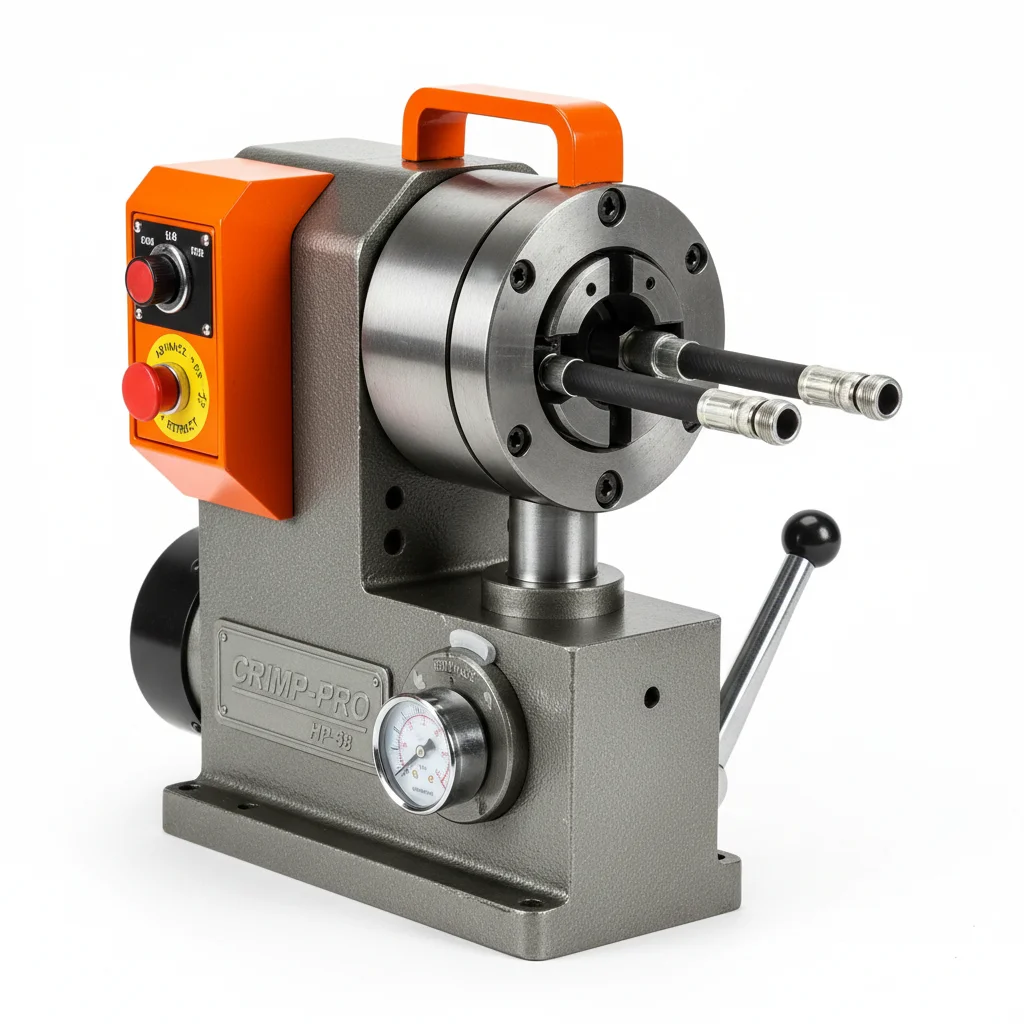
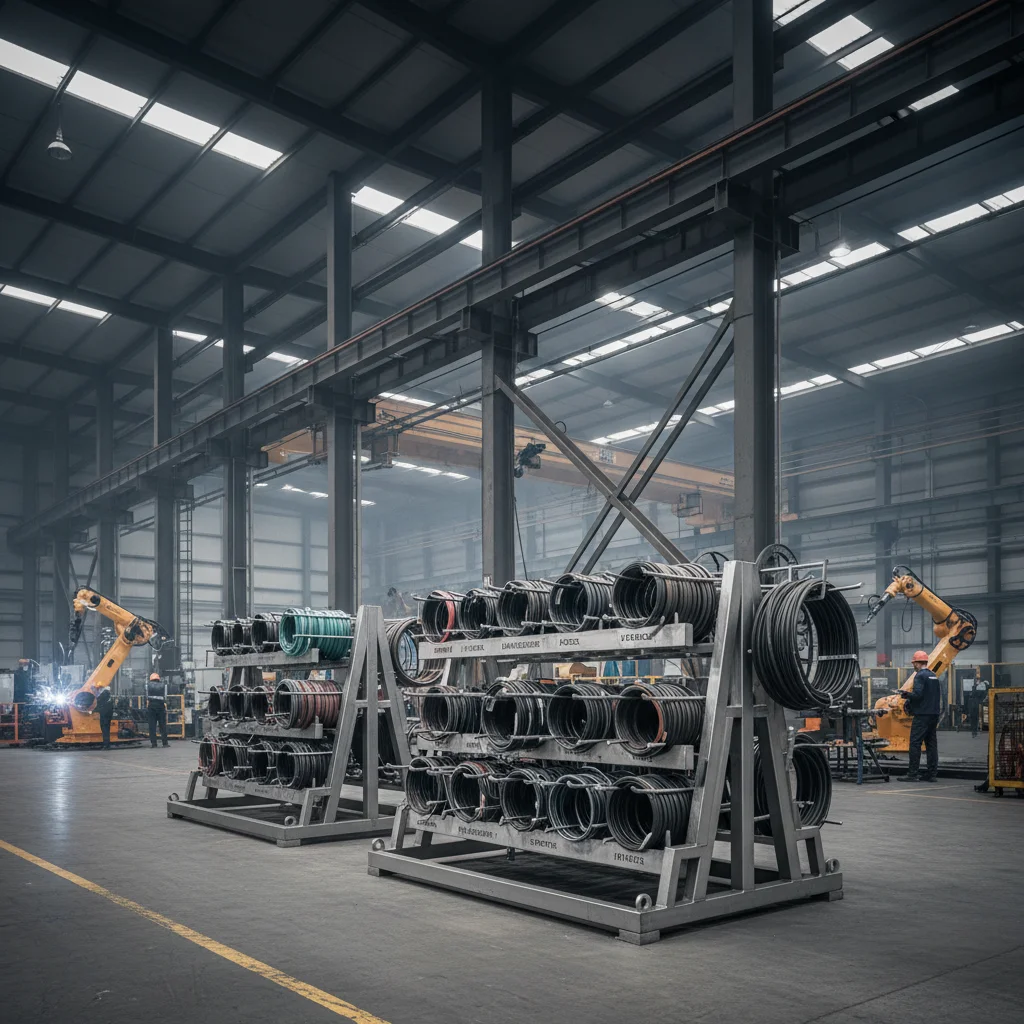
Safe Operation And Maintenance Guidelines For Hydraulic Hose Crimping Machines
I. Pre-Operation Precautions
1. Checking the Equipment
- Verify that the power supply and hydraulic system (oil level and quality) are functioning properly and that there are no leaks.
- Verify that the mold matches the hose and fitting specifications. Replace the mold if it is severely worn.
- Ensure that all fasteners are secure and that moving parts are well lubricated.
2. Hose and Fitting Compatibility
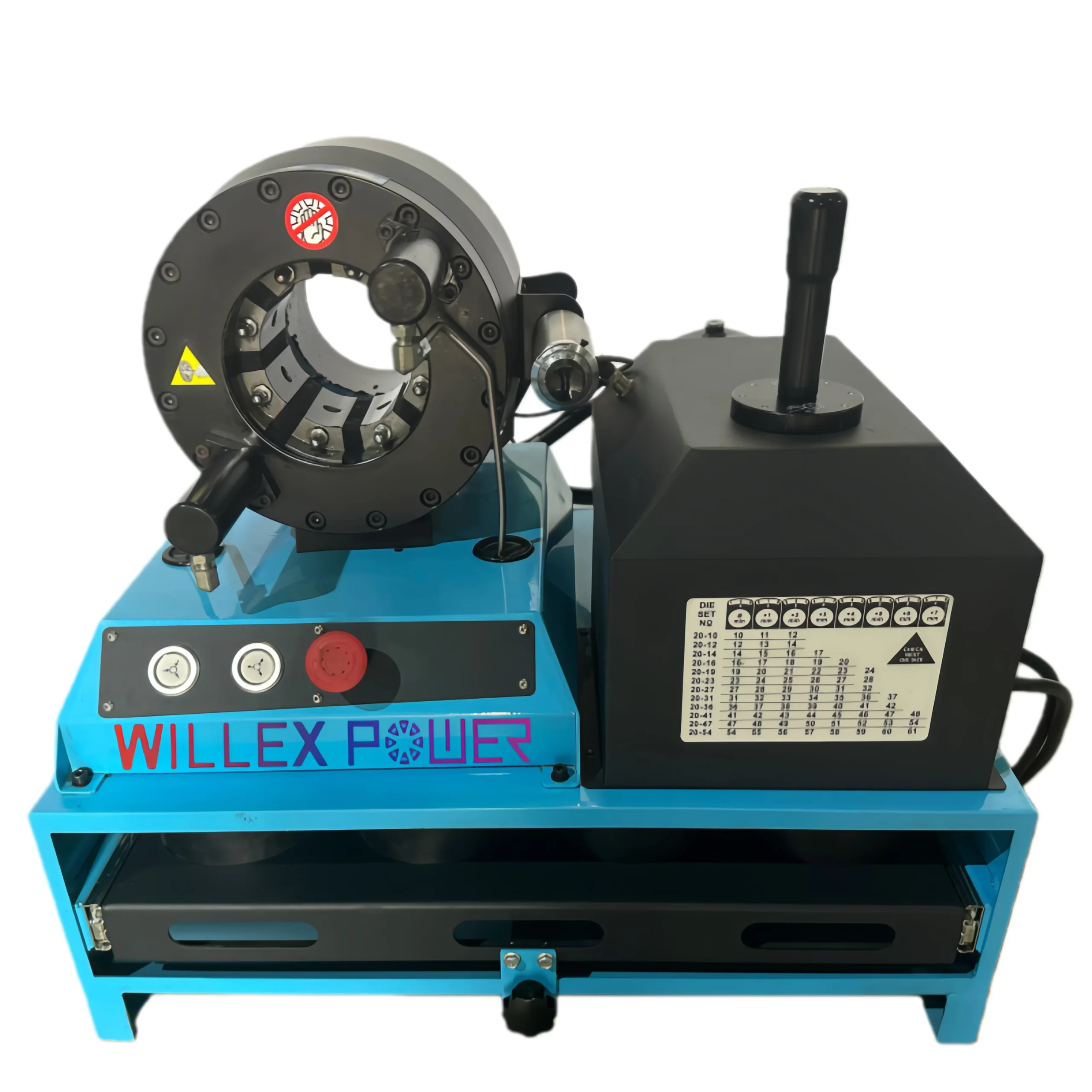
- Verify the hose model, fitting type, and crimping parameters (such as crimping diameter and pressure), referring to the crimping size chart provided with the machine.
- Check that the hose and fitting are free of scratches, rust, or deformation, and that they are clean and free of impurities.
3. Safety Precautions
- Wear protective gloves and goggles to avoid injury from high-pressure oil splashes or metal debris.
- Keep the work area clean and clear of flammable and explosive items.
II. Operational Precautions
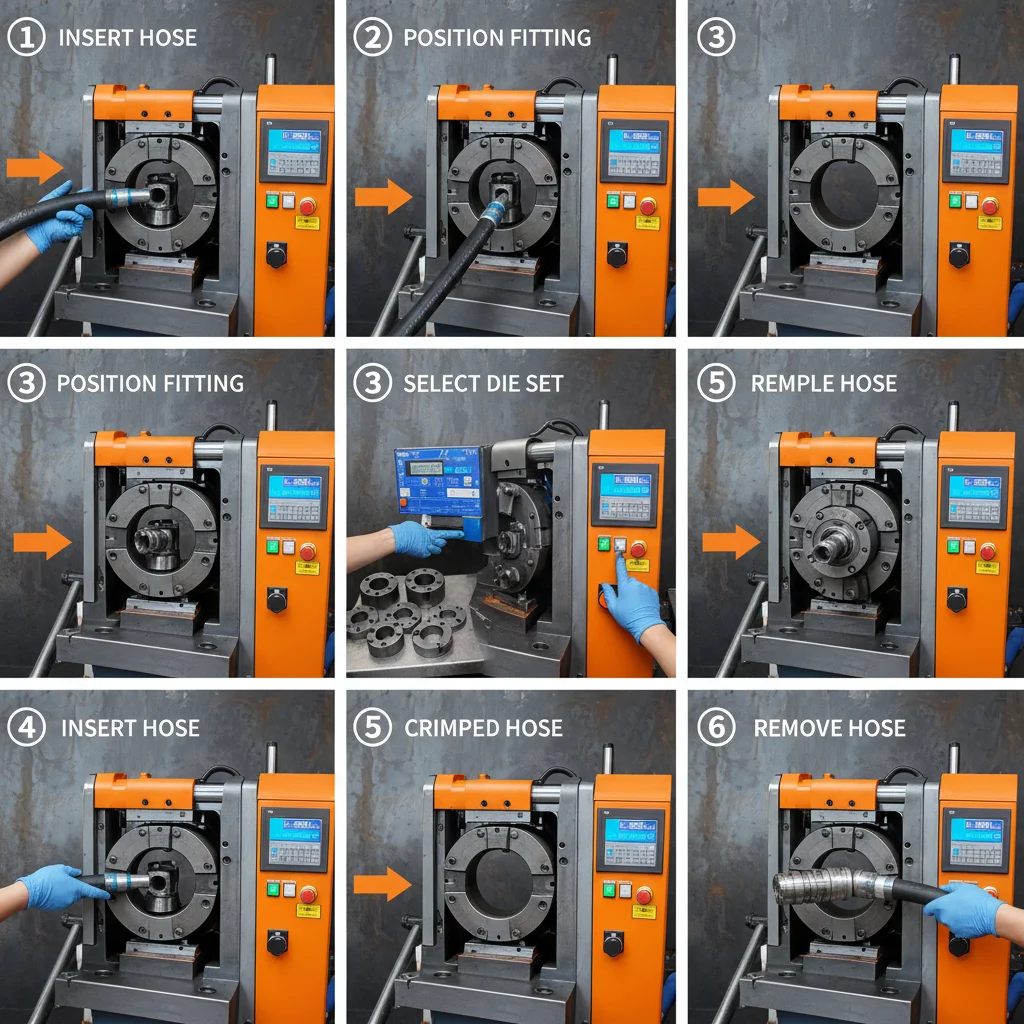
1. Correct Clamping
- Insert the hose and connector into the center of the mold, ensuring consistent insertion depth (the connector must rest against the positioning stop).
- Avoid twisting or deflecting the hose to prevent a poor seal after crimping.
2. Crimping Parameter Settings
- Strictly adjust the crimping force and stroke according to process requirements (overtightening will damage the hose, while overtightening may cause leakage).
- After the first crimping, it is recommended to dissect a sample to check the crimping quality (such as core tube deformation and uniform compression of the outer wire).
3. Operating Instructions
- Keep hands away from the mold area when starting the machine to prevent pinching.
- Observe the pressure gauge during crimping. Stop the machine immediately for inspection if any abnormal fluctuations occur.
- Do not adjust the mold or remove debris while the machine is running.
III. Post-Operation Maintenance
1. Equipment Maintenance
- Clean mold debris and wipe away hydraulic oil contamination at the end of each day.
- Change the hydraulic oil regularly (recommended every 6 months or as specified by the manufacturer). Replace clogged filters promptly.
- When the equipment is not in use for an extended period, apply anti-rust oil to the mold and release the system pressure.
2. Quality Inspection
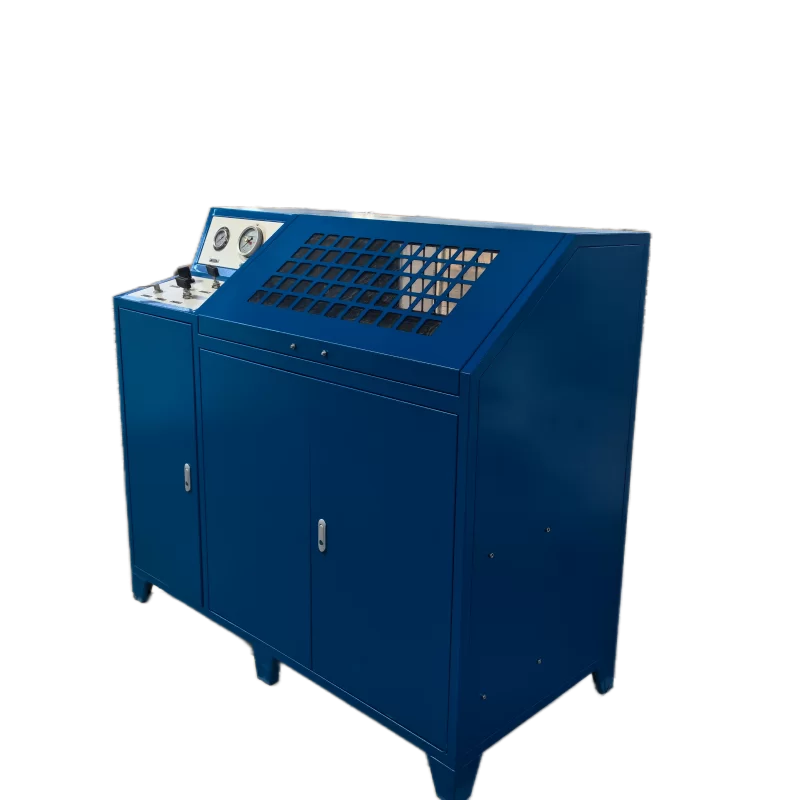
- Sample crimped hoses from each batch and perform a pressure test (e.g., 1.5 times the operating pressure).
- Check the crimped joints for cracks and burrs, and for relative displacement between the connector and the hose.
IV. Other Safety Tips
- Troubleshooting: Immediately disconnect the power supply and contact a qualified technician for repair if the equipment experiences any abnormalities (e.g., unusual noises, excessive oil temperature).
- Prohibited Modifications: Do not adjust the hydraulic system safety valve or remove protective devices without authorization.
- Training Requirements: Operators must undergo professional training and be familiar with the equipment manual and emergency procedures.
Summary: Standard operation and regular maintenance are key to ensuring crimping quality and equipment life. If you are unsure of parameters or procedures, be sure to consult our factory or technicians.
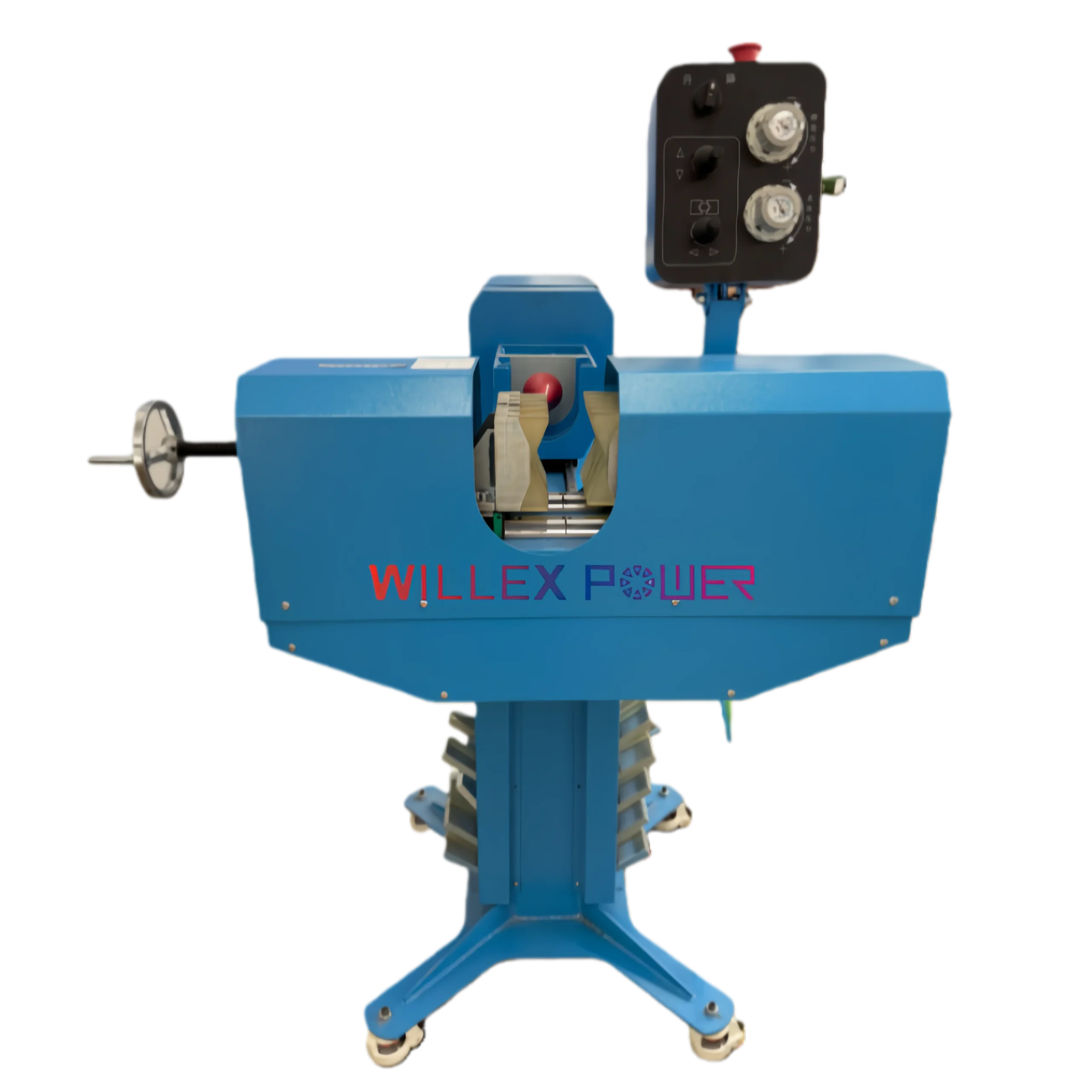
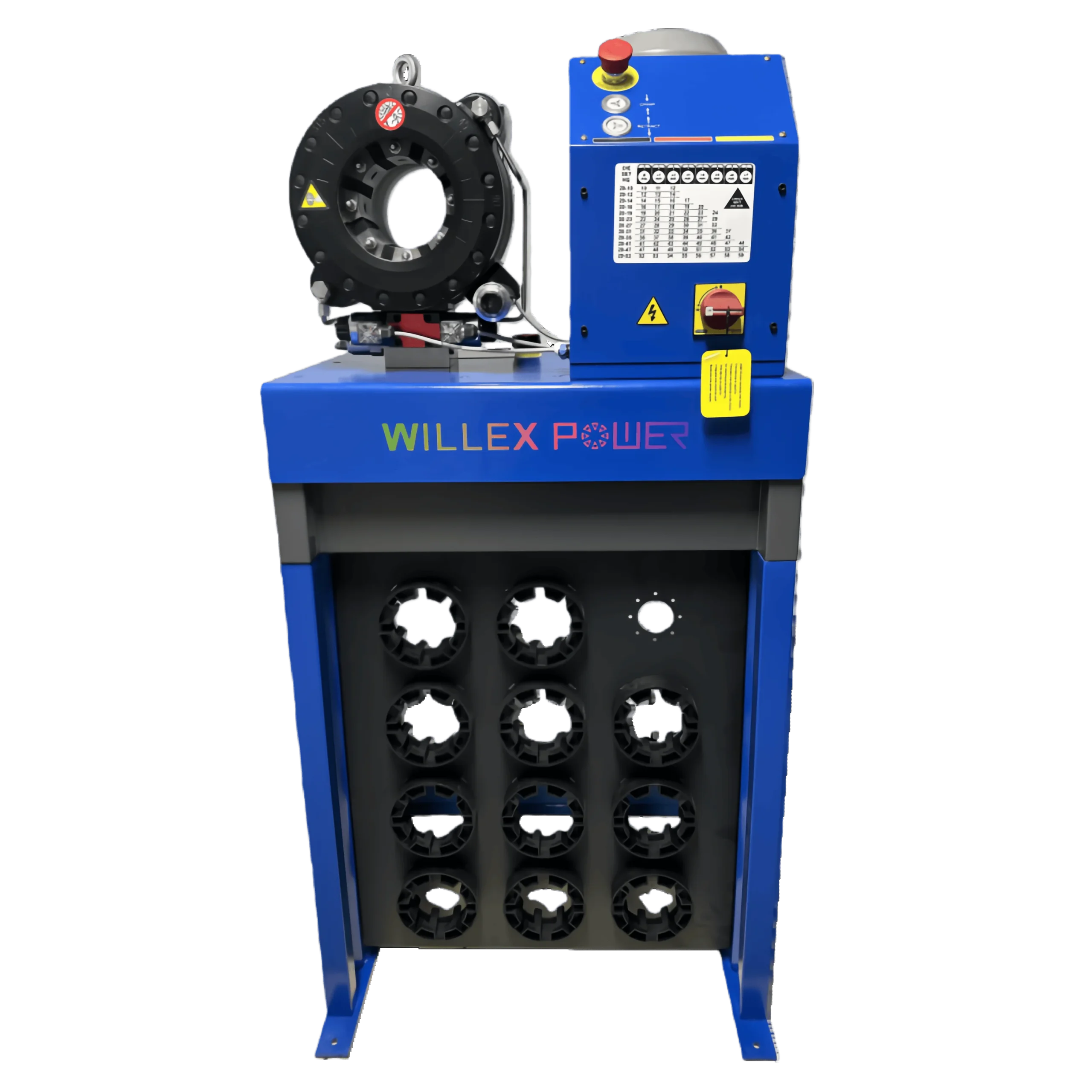
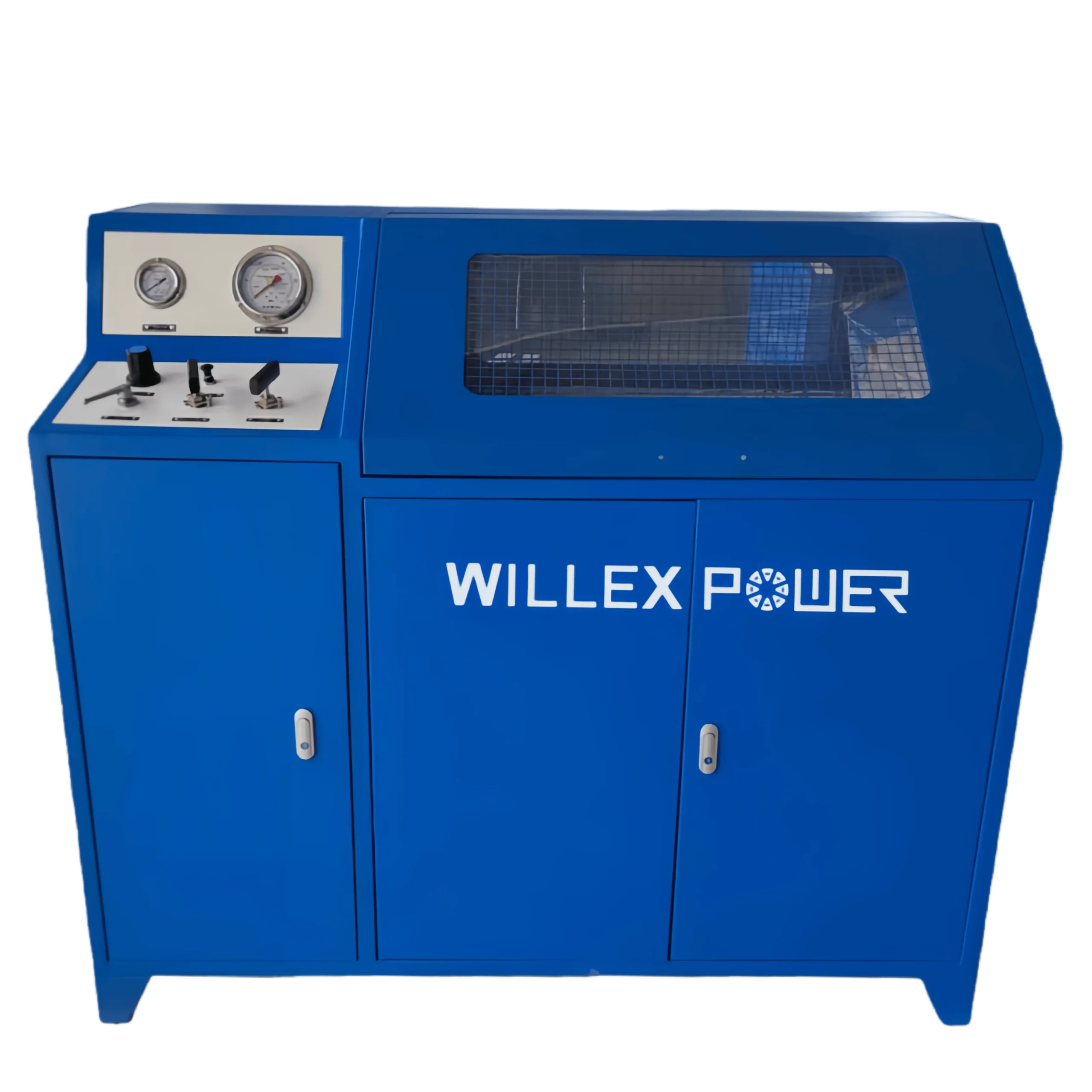
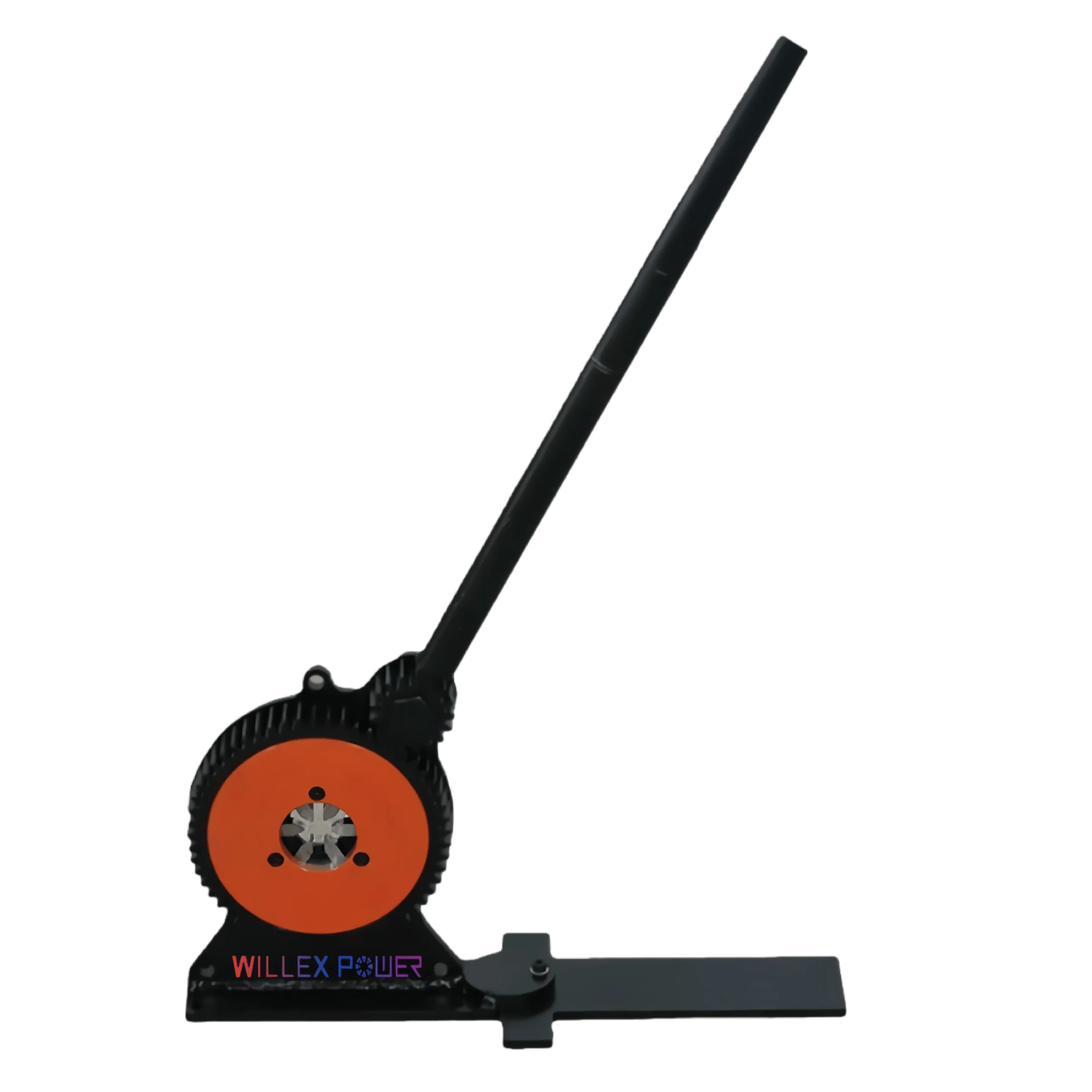
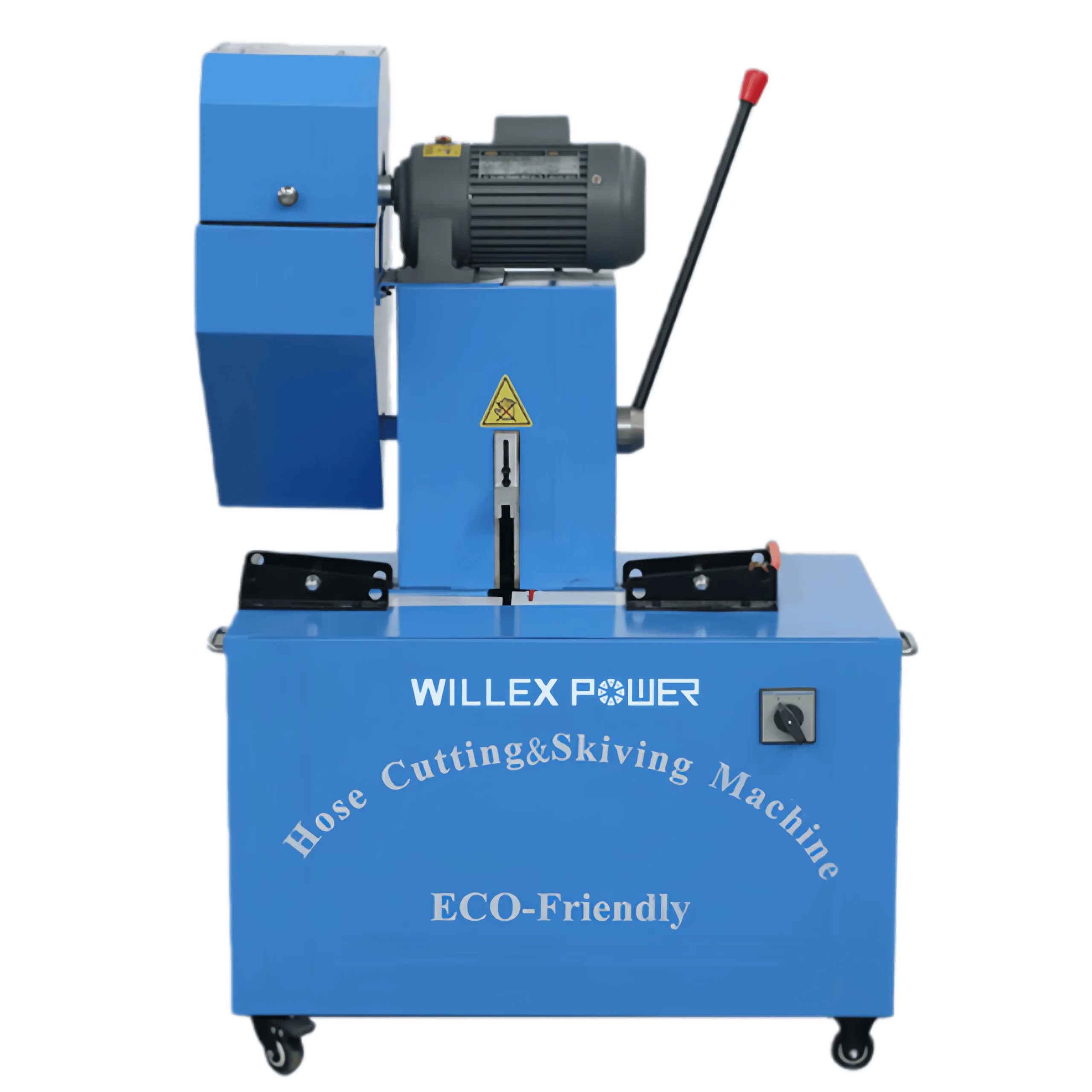
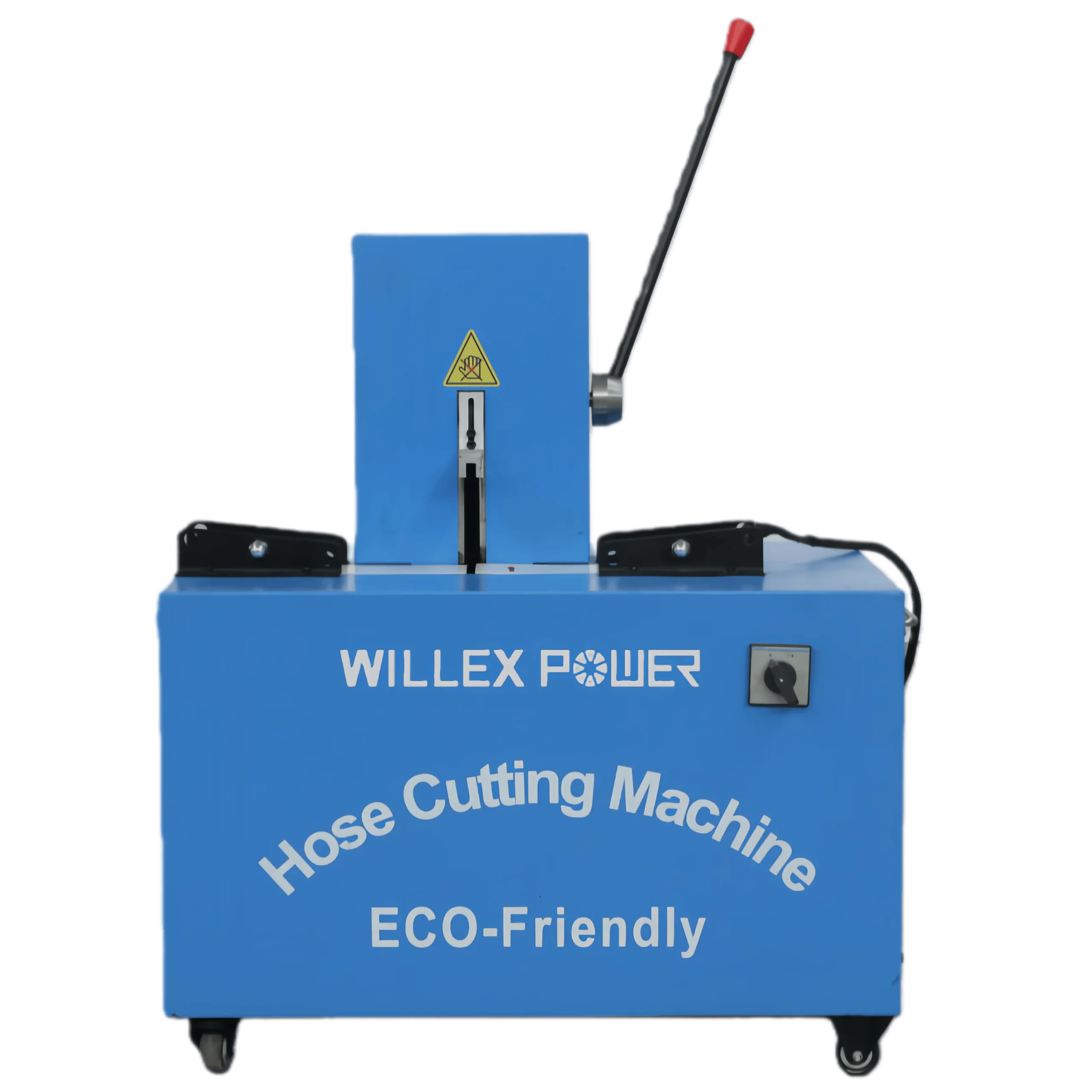
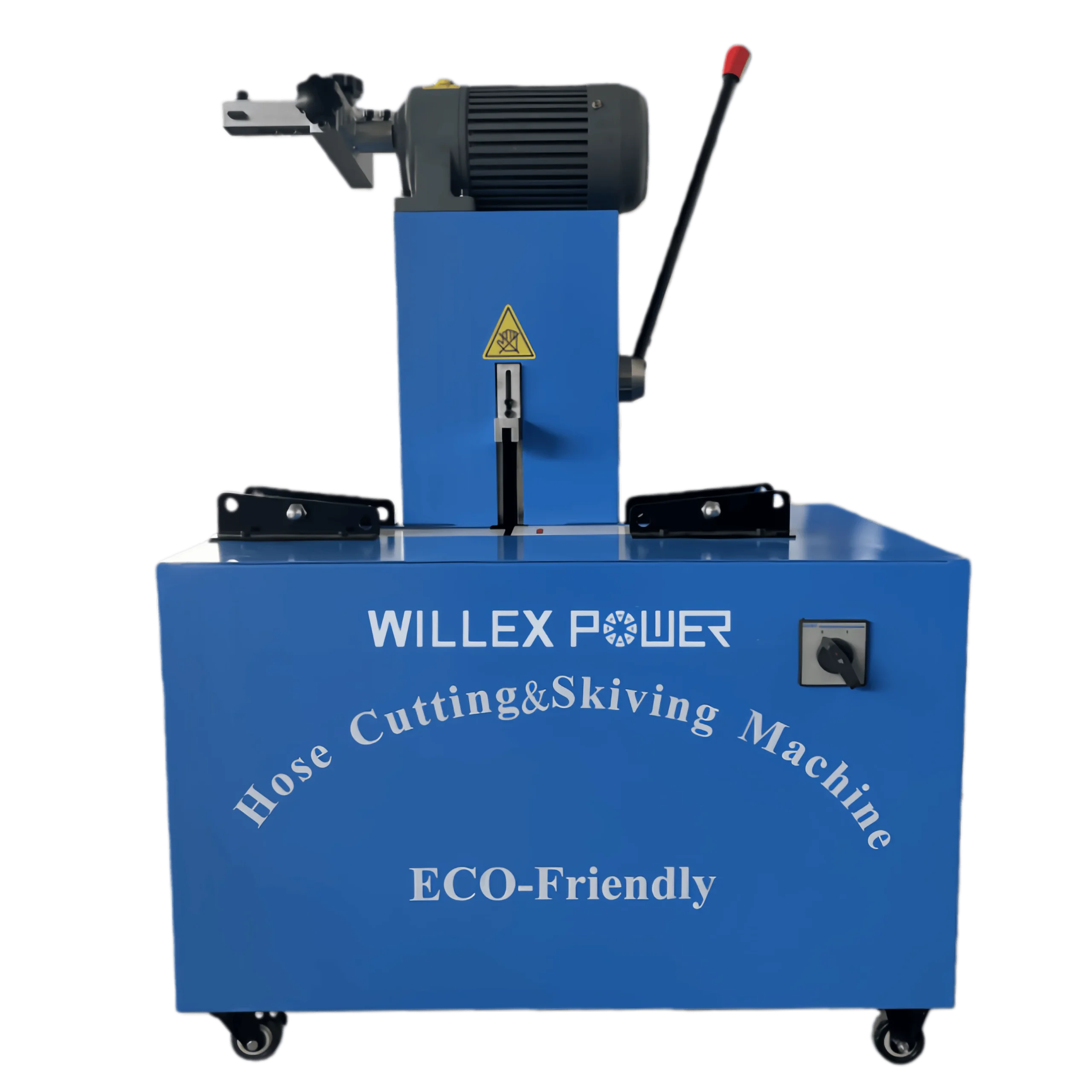
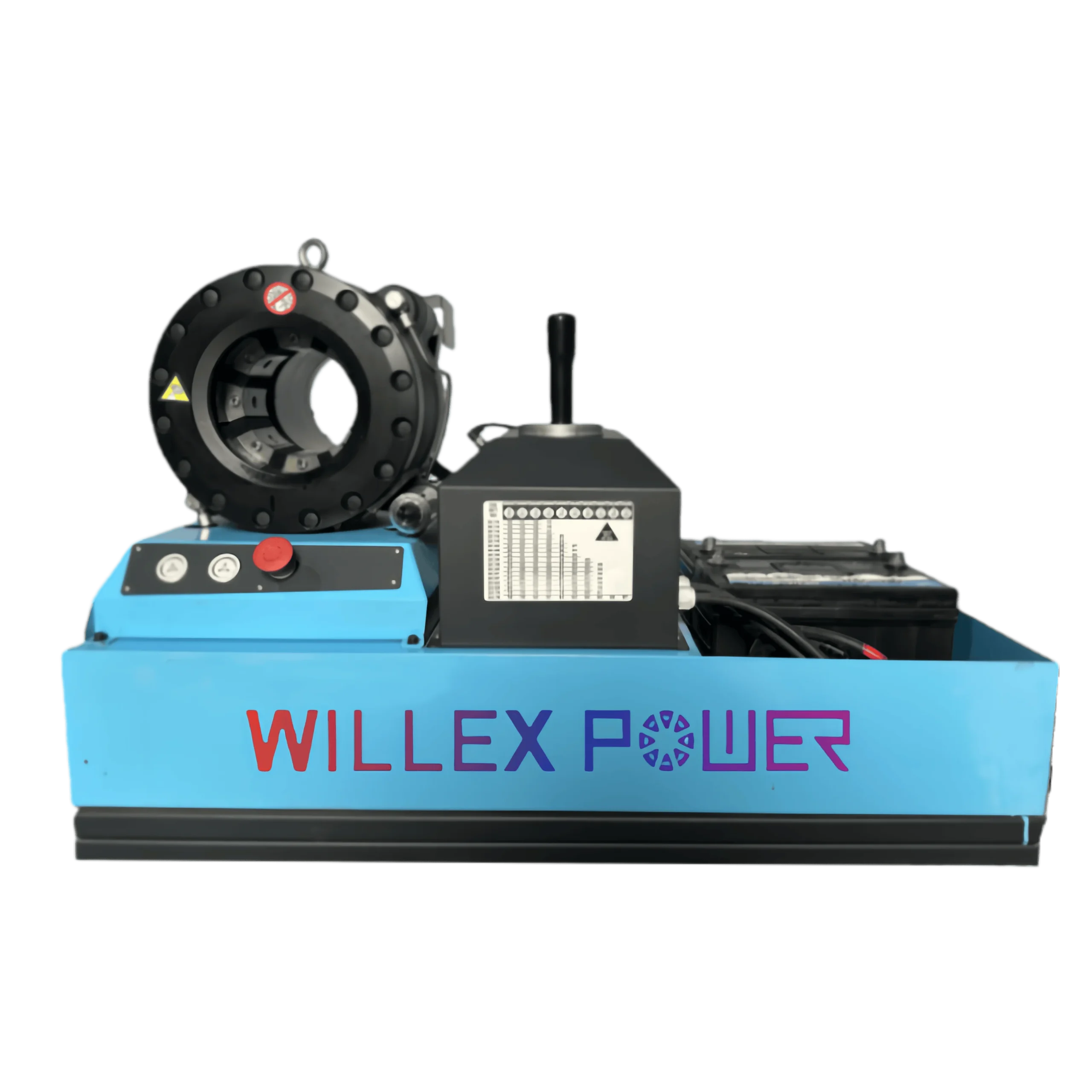
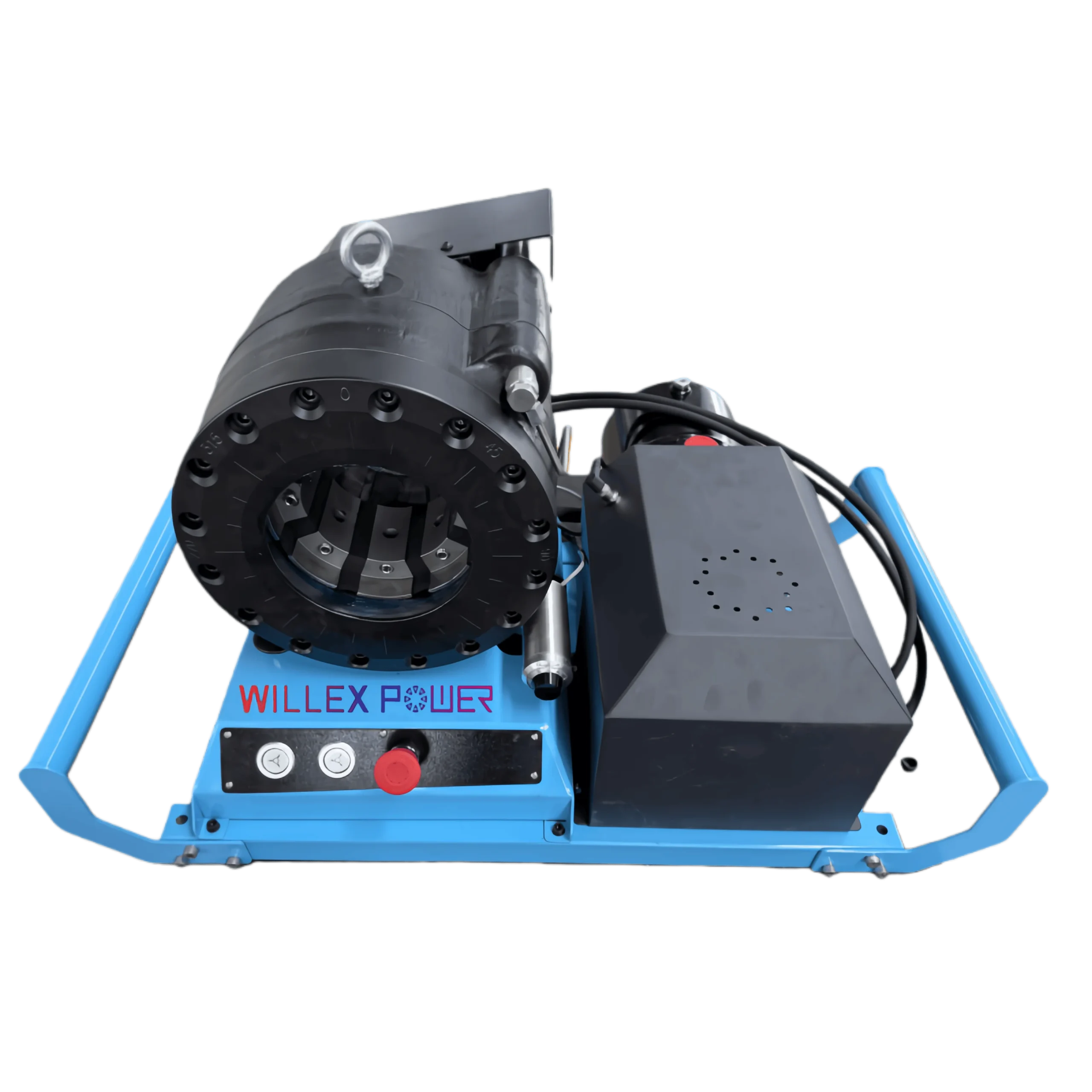
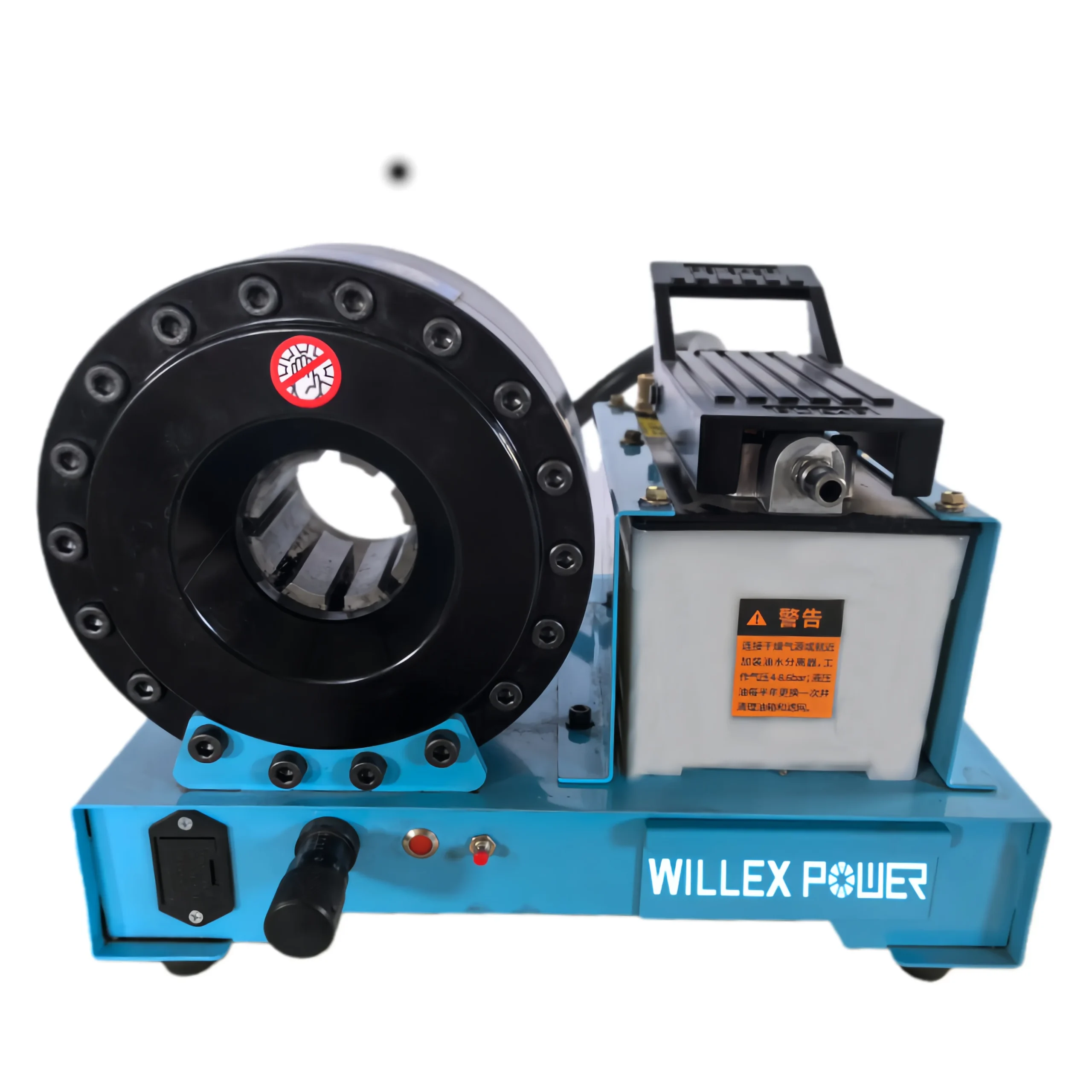
-20260121013914-scaled.webp "WILLEX POWER DZW-A10-1 Hose Crimping Machine")
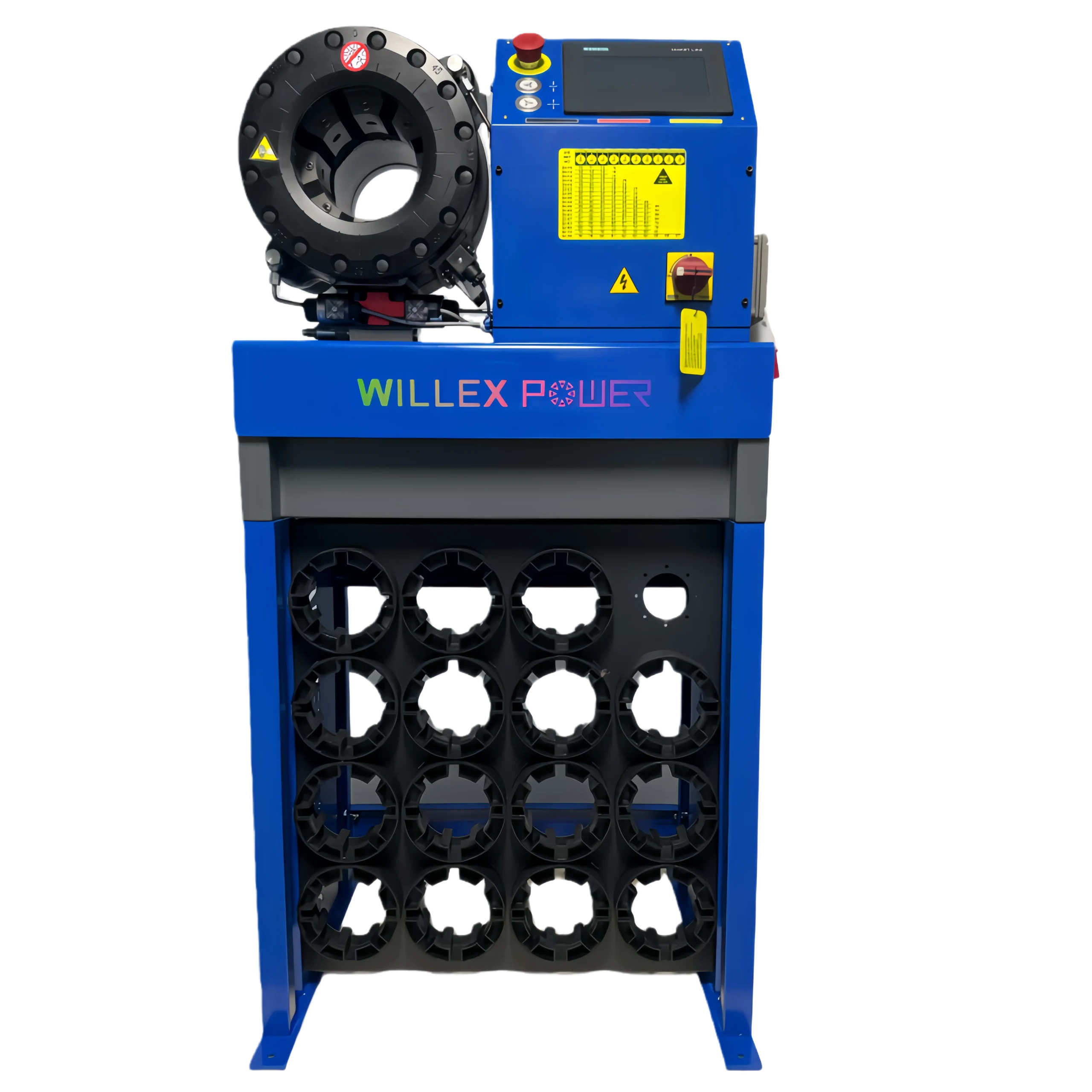
-20260121014427-scaled.webp "Hose Crimping Machine DZW-A10")
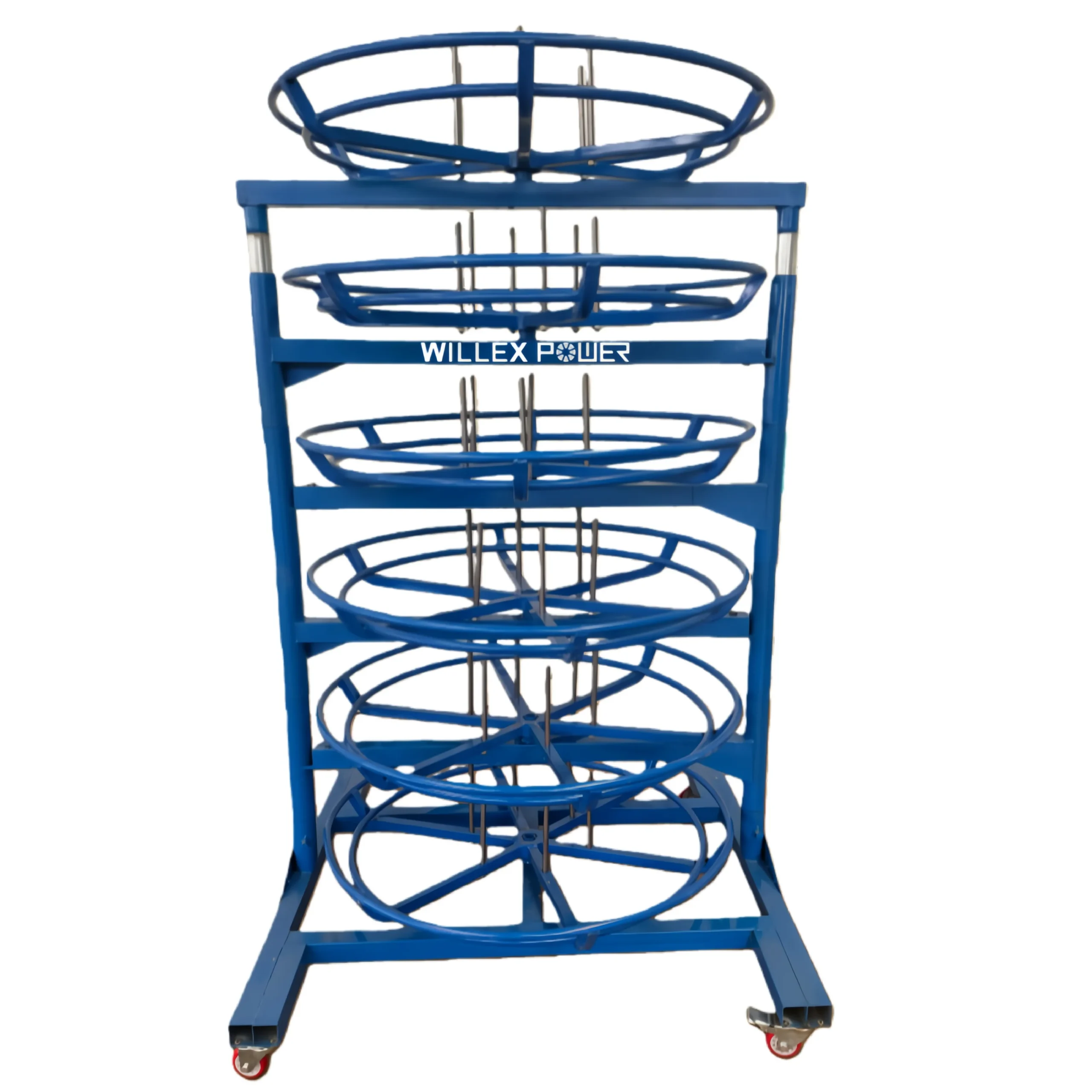
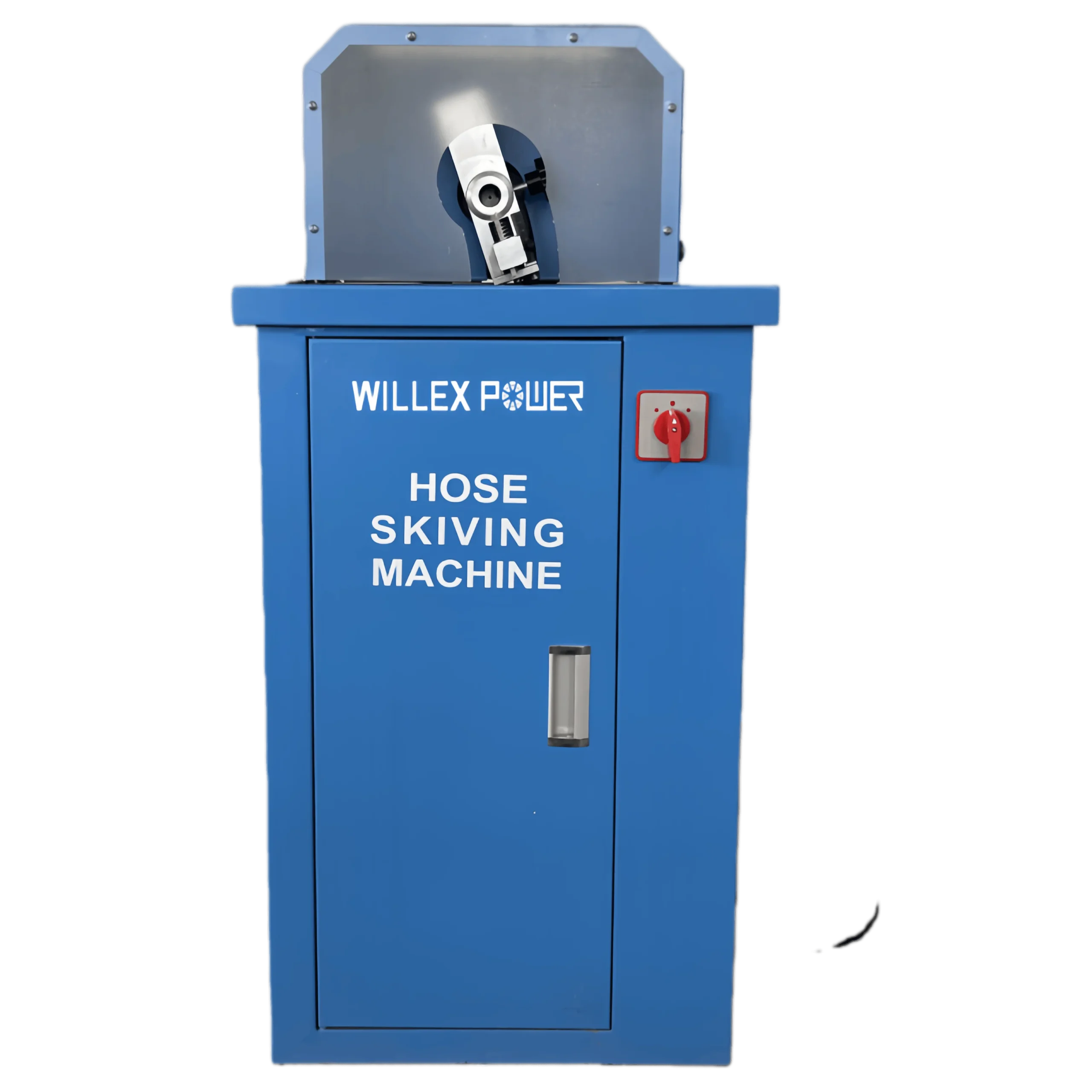
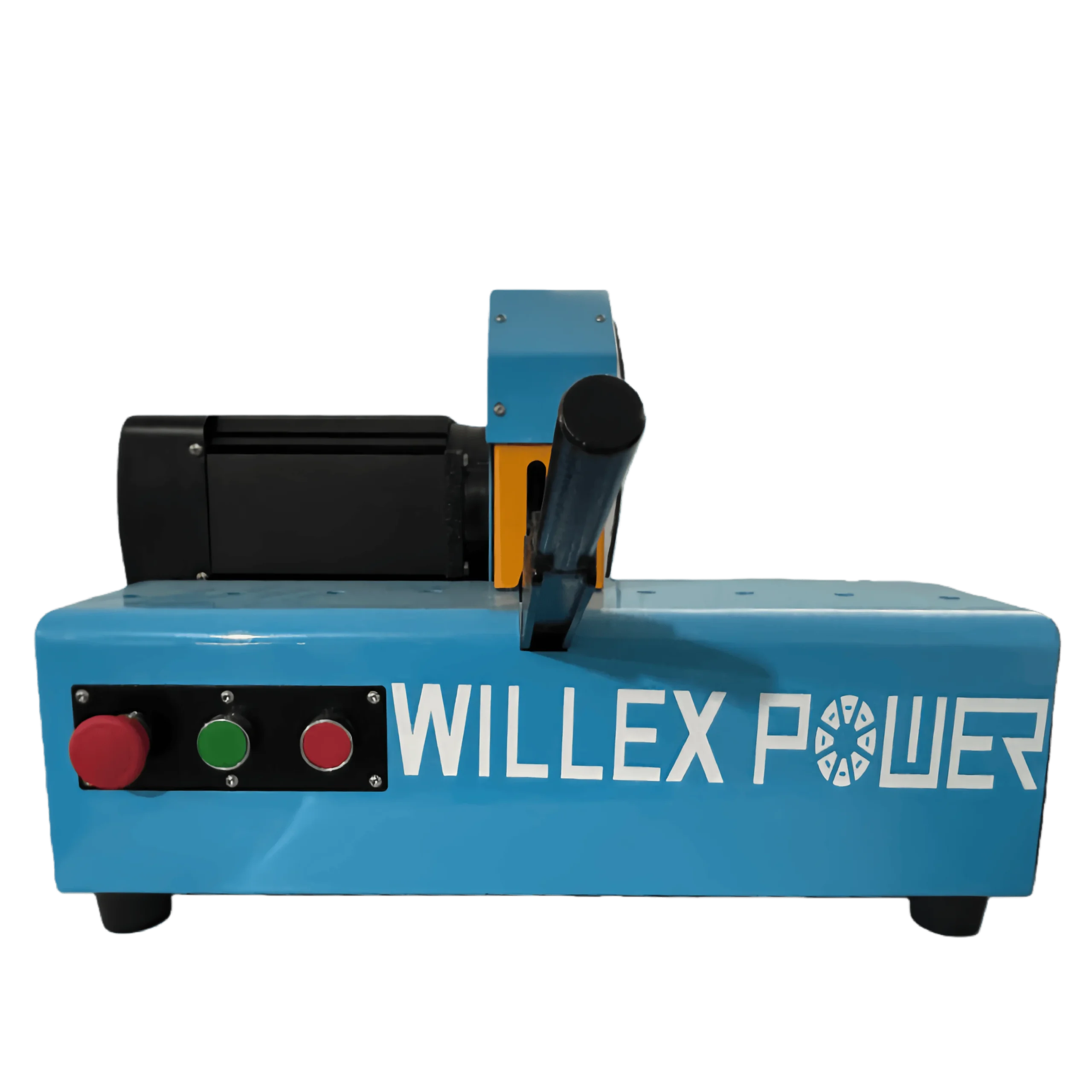
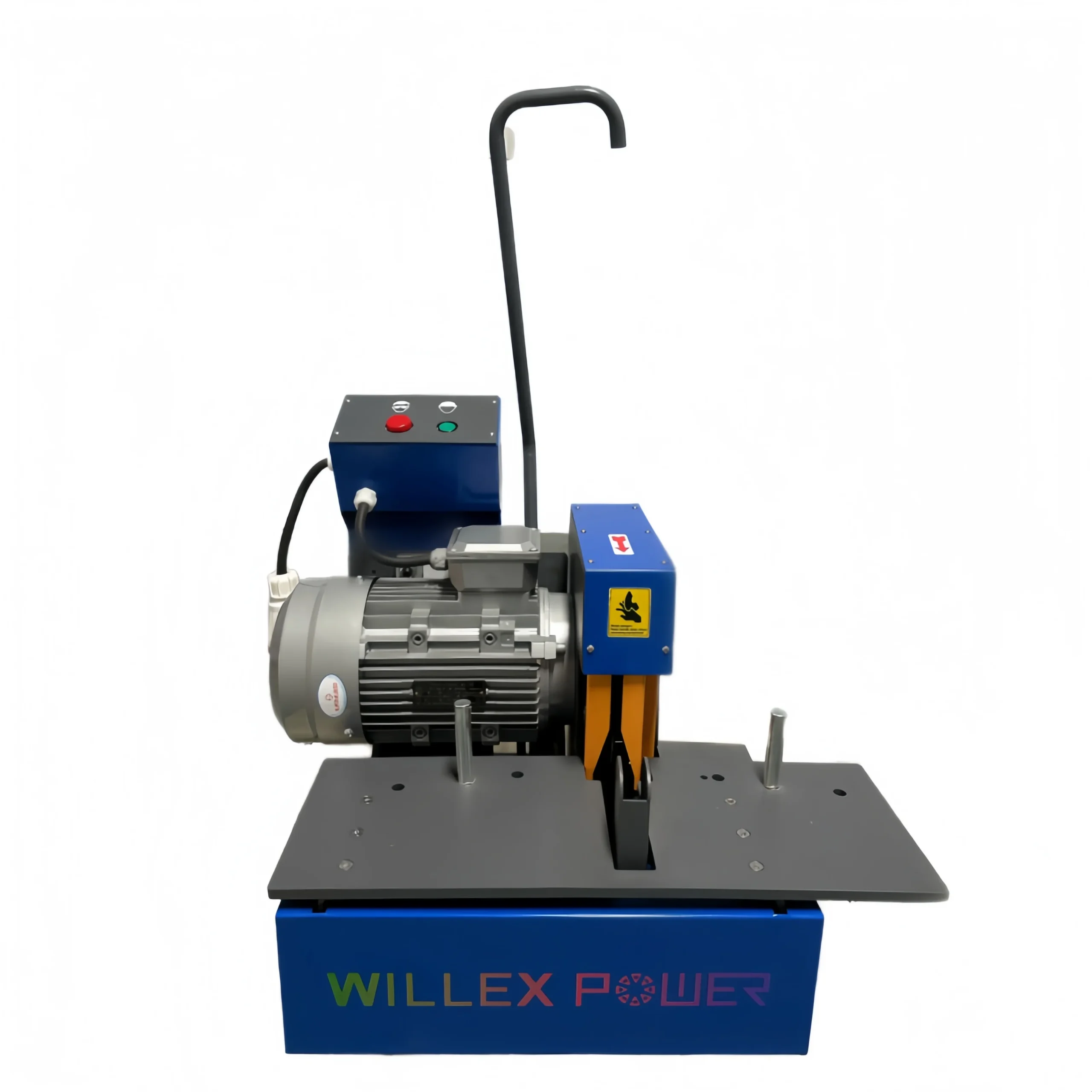
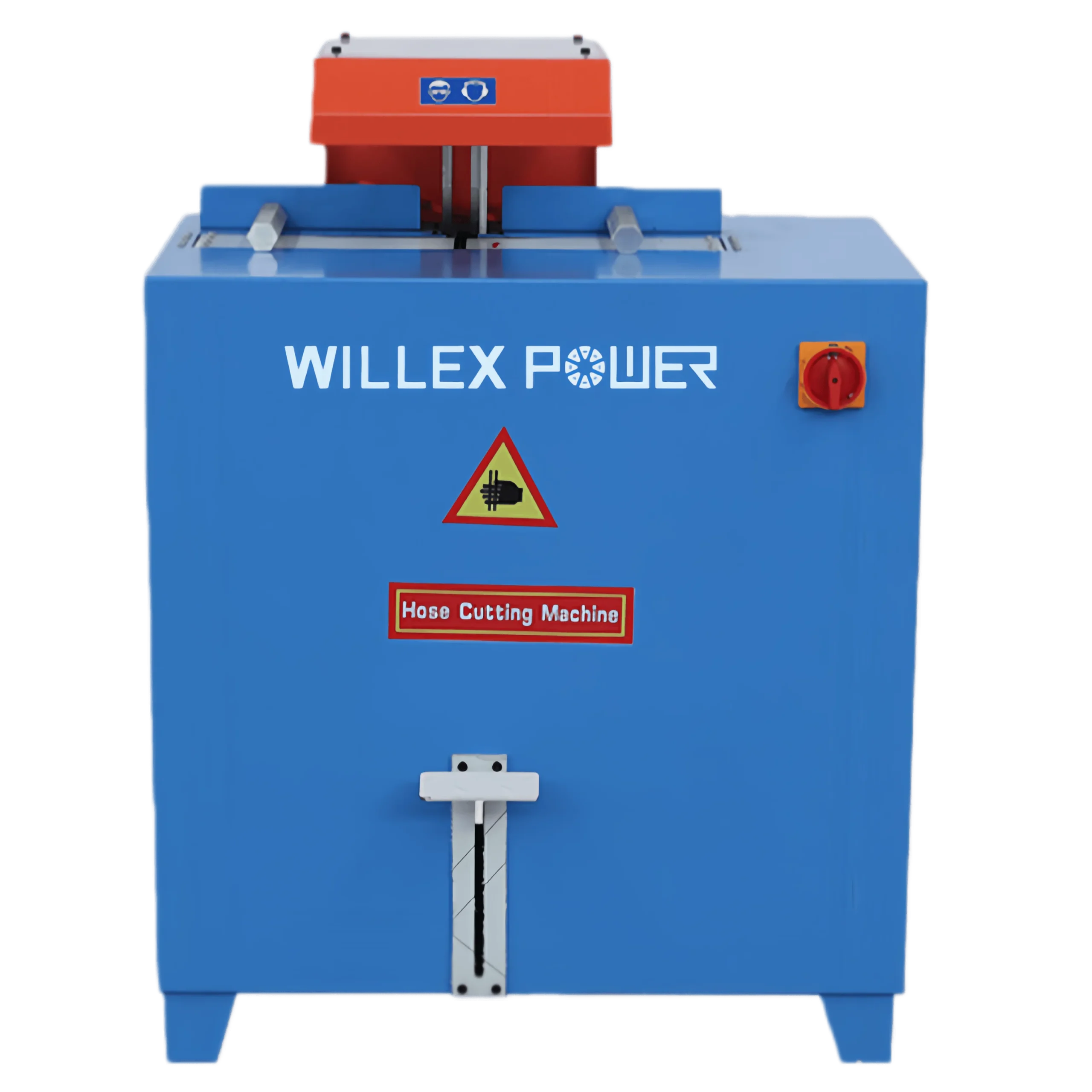
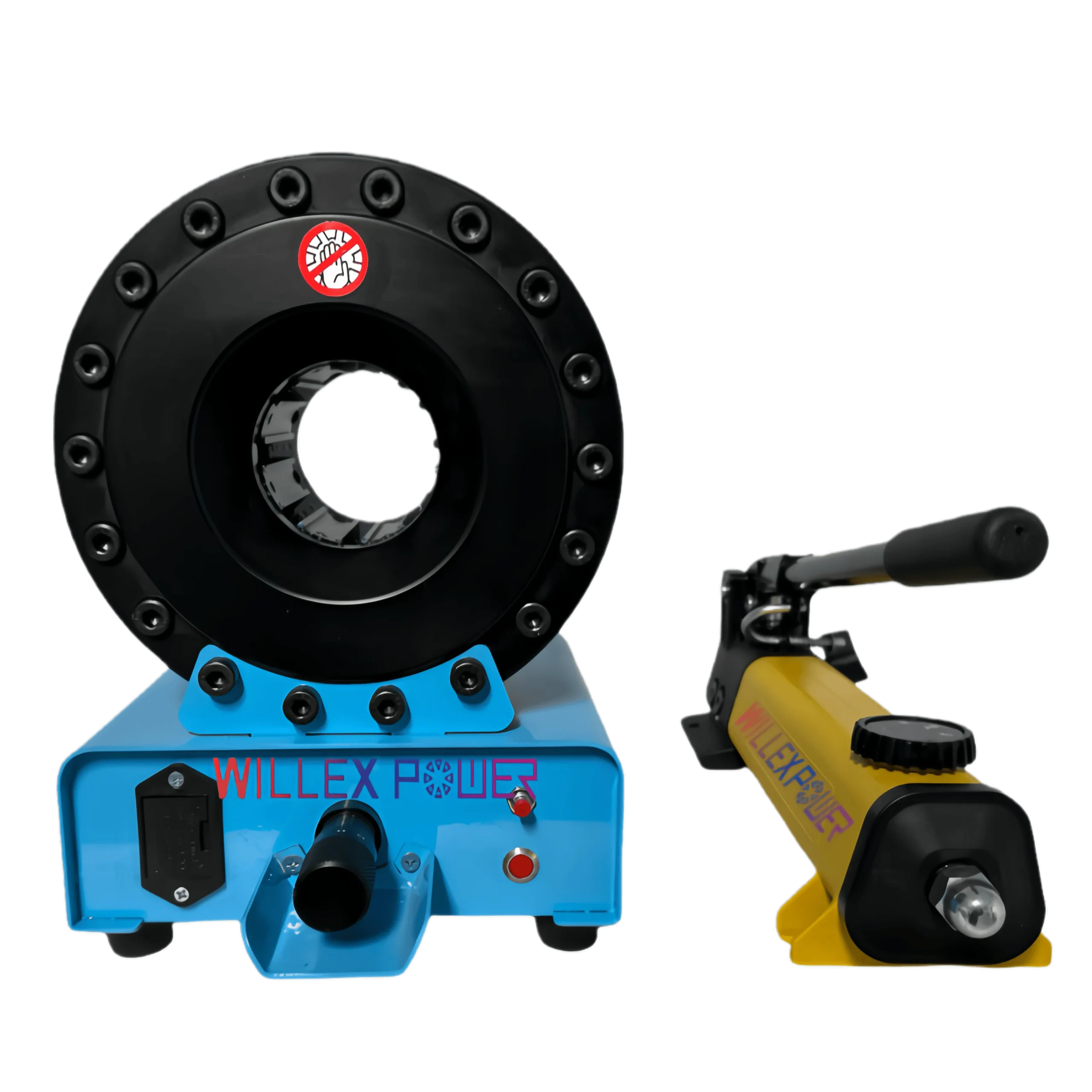
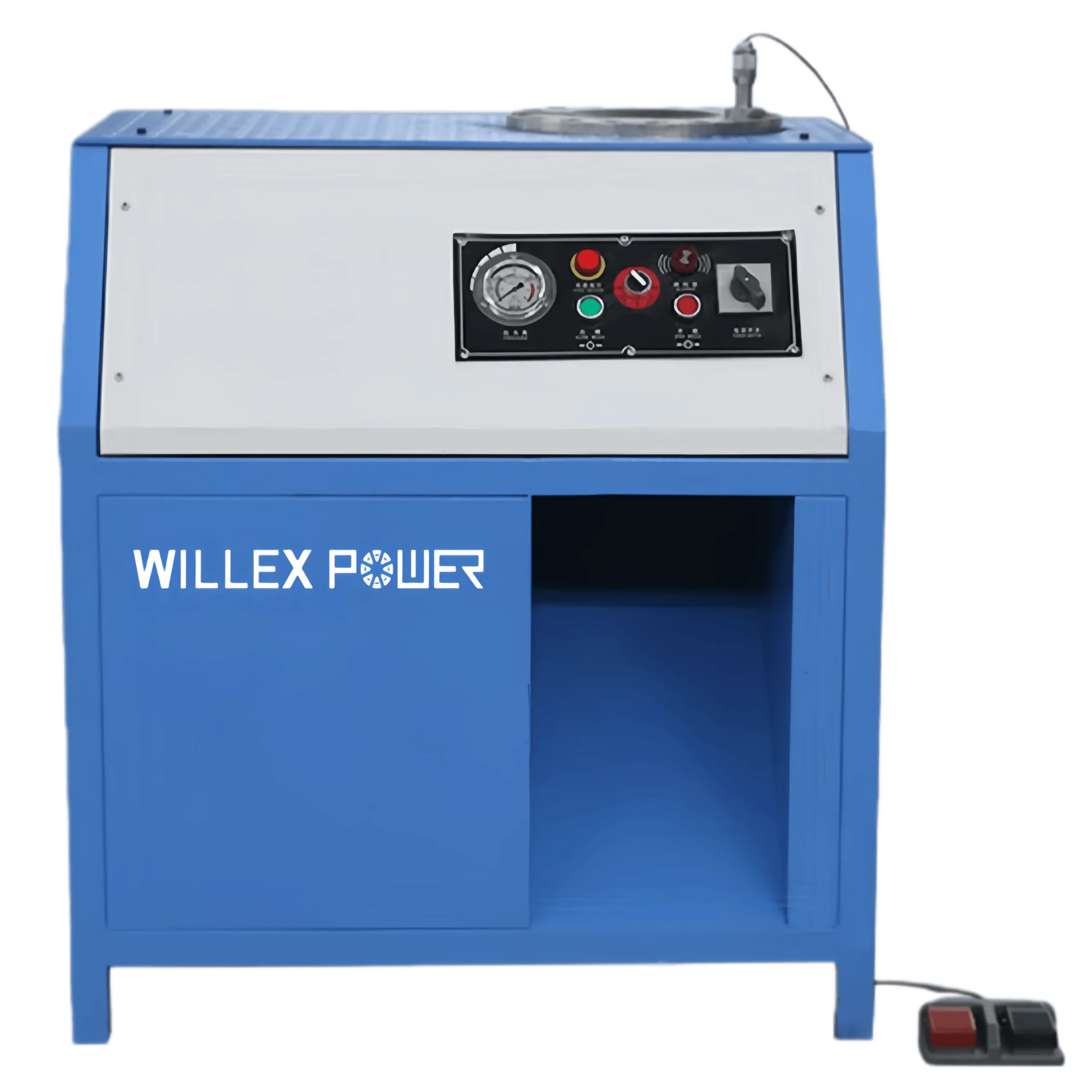
-20260121015636-scaled.webp "Hose Skiving Machine DZW-51BJ-M")
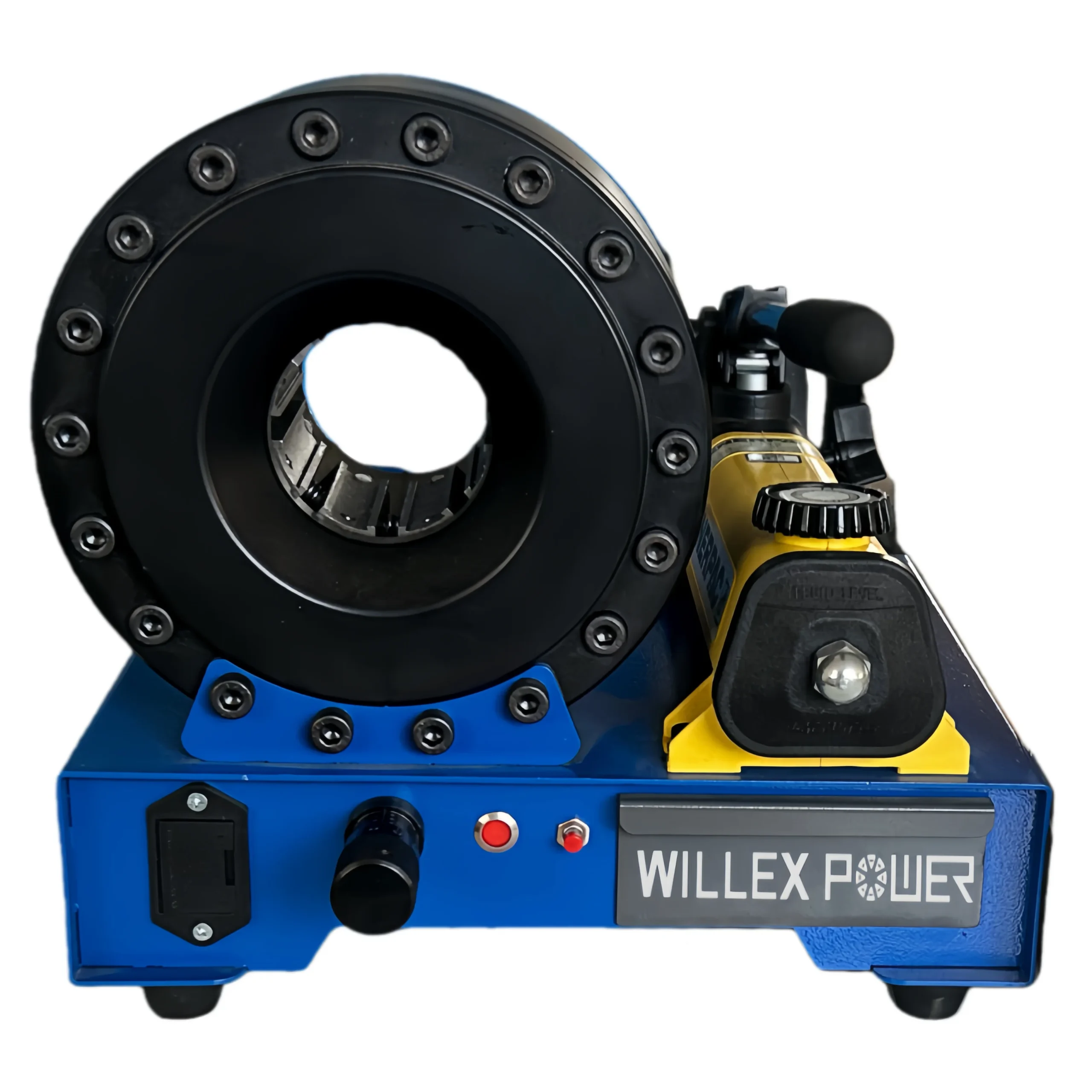
-20260121015753-scaled.webp "Hose Skiving Machine DZW-51BJ-C")
-20260121020311-scaled.webp "Hose Skiving Machine DZW-51BJ-E")