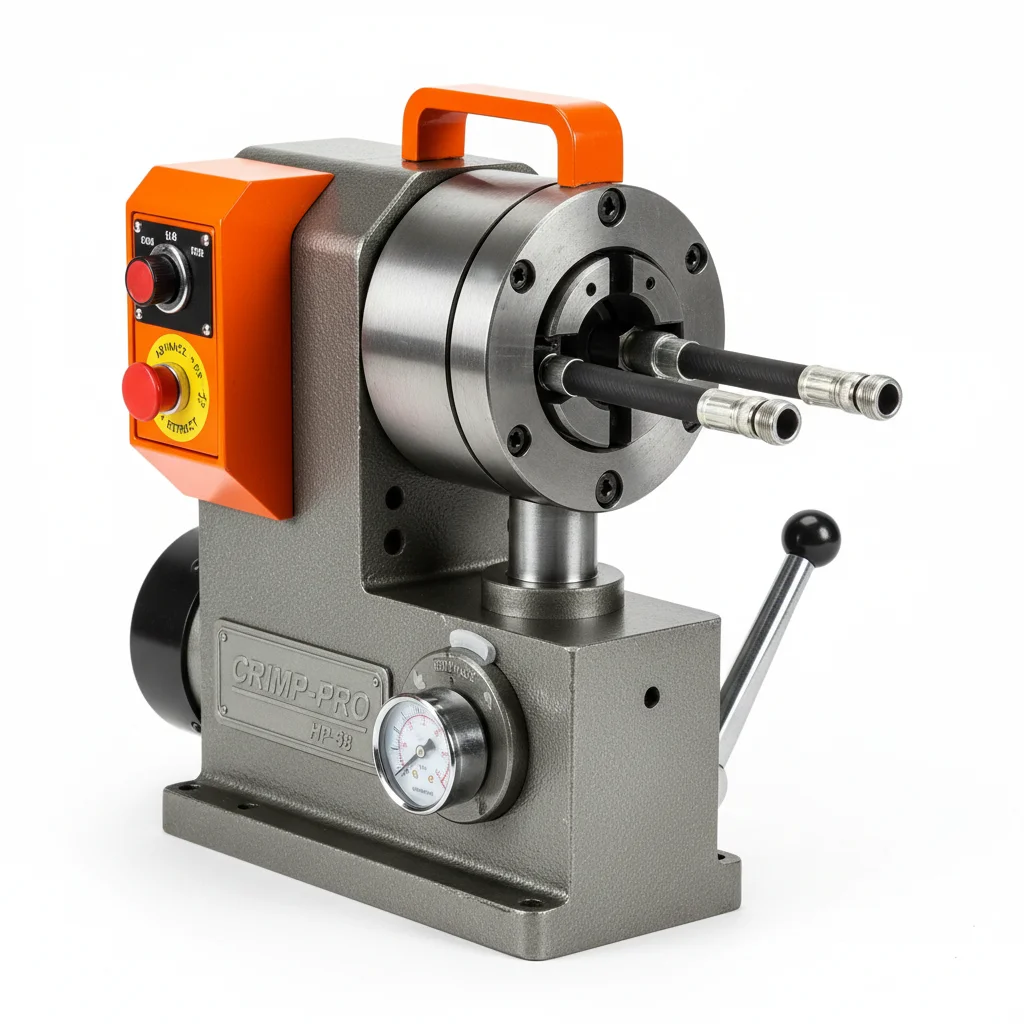
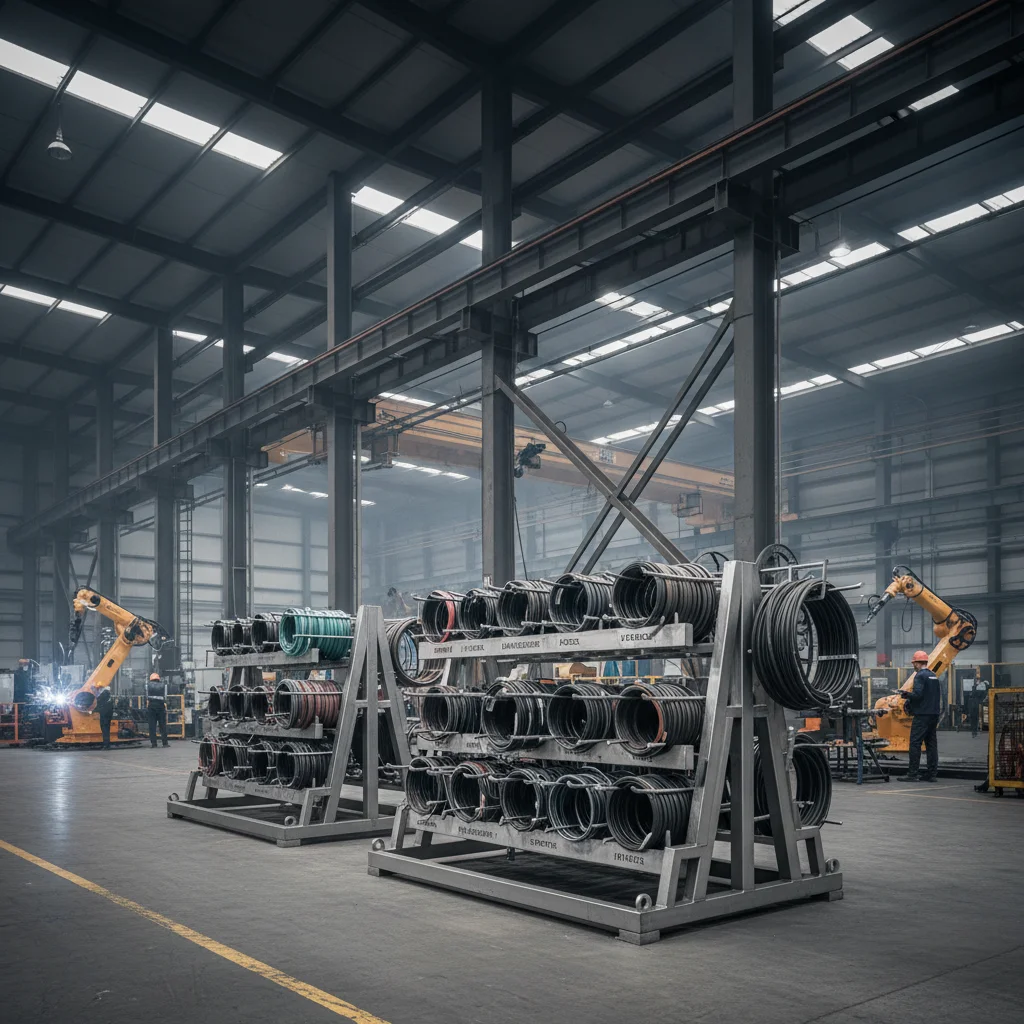
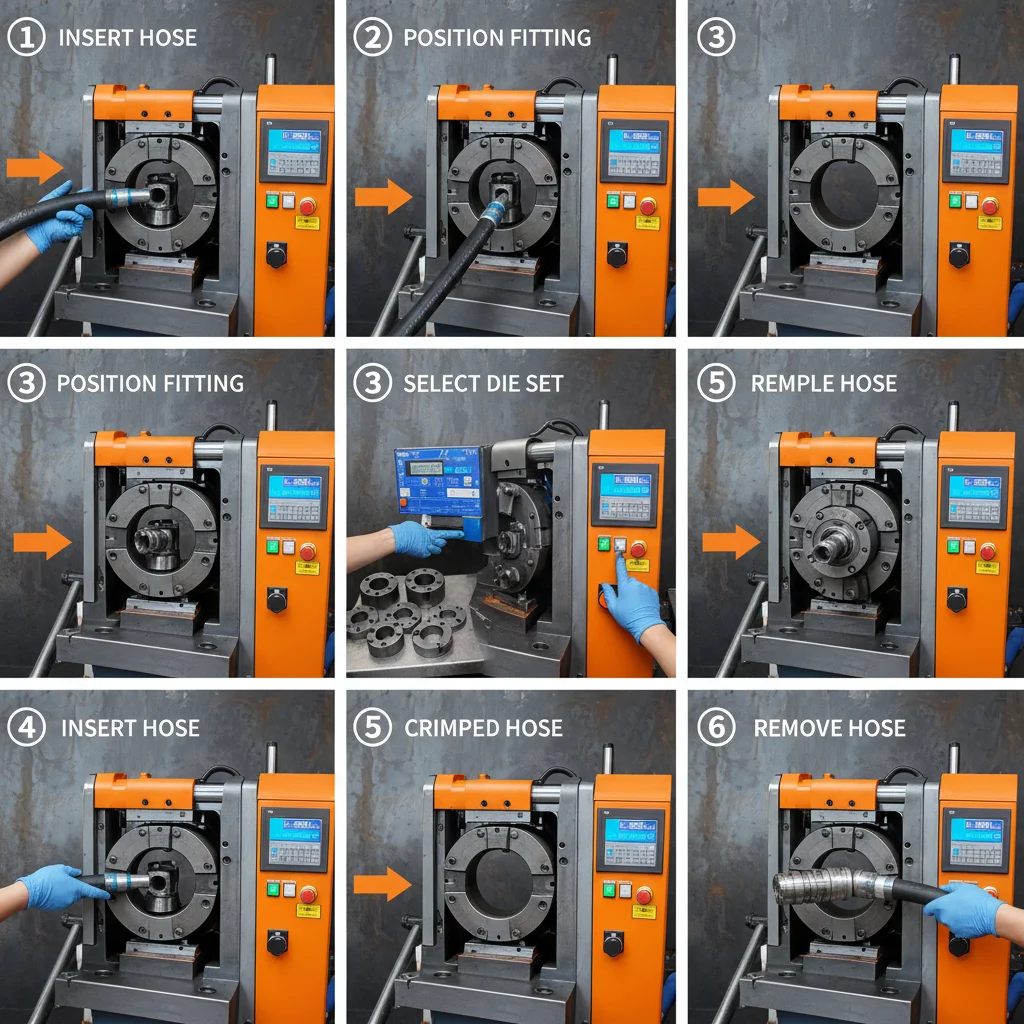
Honestly, these days everyone’s talking about ‘smart’ hose crimping machines. Not that the old ones didn’t get the job done – and a lot of them *still* do, mind you – but everyone wants sensors, data logging, predictive maintenance… It’s a bit much, if you ask me. I was at a factory in Jiangsu last month, and they had a machine with so many flashing lights, you’d think it was a spaceship. Turns out half the sensors weren’t even calibrated.
Have you noticed how many manufacturers skimp on the hydraulic hoses themselves? They’ll build a fancy machine, all bells and whistles, then use cheap hoses that burst after a few months. I’ve seen it happen way too many times. You really need a multi-spiral wire-braided hose, good quality stuff, even if it costs a bit more upfront. And the fittings…oh, the fittings. That's where things *really* fall apart.
Anyway, I think people underestimate how much feel goes into operating these machines. It's not just about pressing a button. You need to *listen* to the pump, *feel* the resistance, *smell* the hydraulic fluid (you get used to it, honestly). Young guys these days, they just stare at the screen. They don't understand the machine until they've gotten grease under their fingernails.
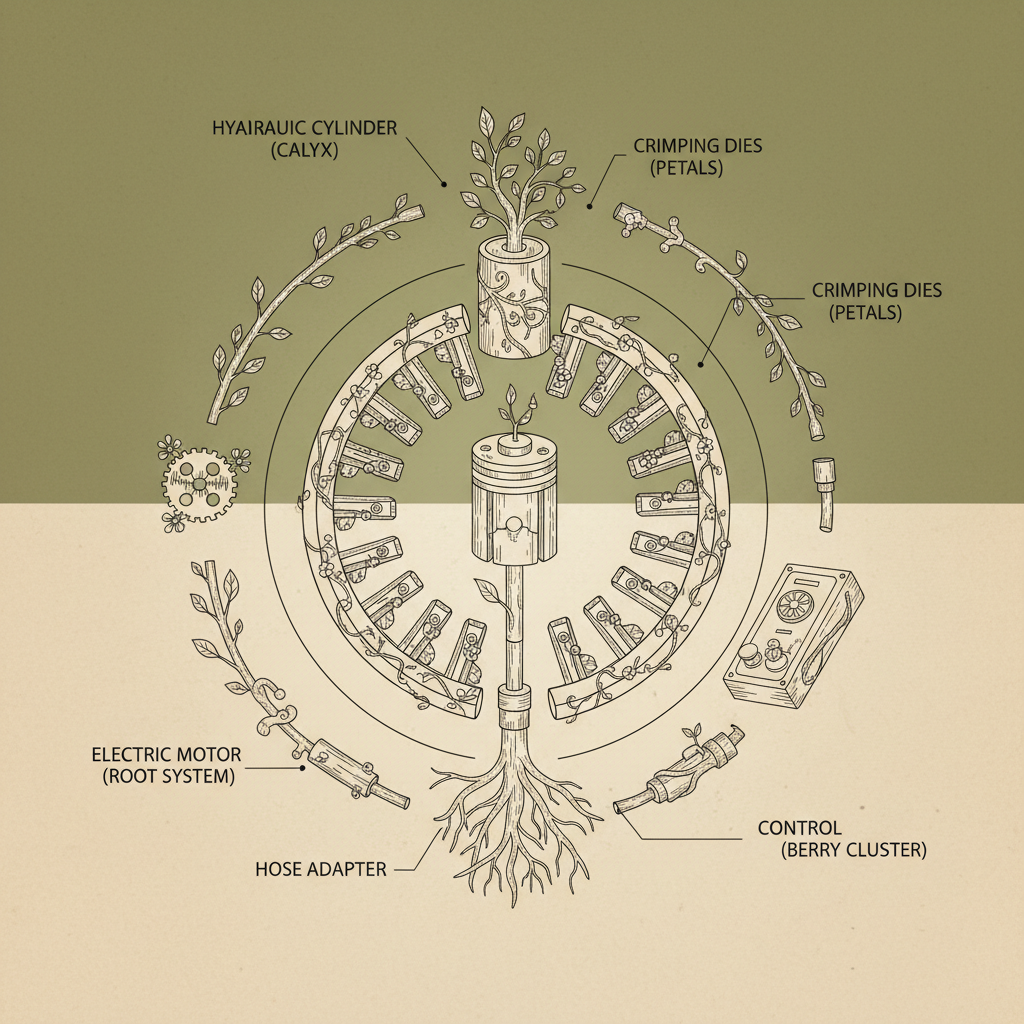
The Current Landscape of Hose Crimping Machine Manufacturing
To be honest, the market's flooded with machines coming out of China these days. Some are decent, especially if you know what to look for. But a lot of them are… well, let’s just say they don’t last. There’s a push for automation, absolutely, but it feels like a lot of companies are jumping on the bandwagon without fully understanding what the users actually need. It's not enough to slap a PLC on something and call it "smart." You need robustness, reliability, and something that can handle the daily grind on a construction site.
The demand is definitely there, though. Everything needs hydraulics, right? From construction equipment to agricultural machinery to even the little excavator your neighbor uses to dig a pond. And with infrastructure projects ramping up globally, well… the need for reliable hose crimping is only going to increase.
FAQS
For heavy-duty work, you really need to focus on frame rigidity, hydraulic system capacity, and the quality of the die sets. Don't skimp on those. You also need to think about ease of maintenance. A machine that's constantly breaking down is going to cost you more in the long run, even if it was cheaper to buy initially. Look for a machine with readily available spare parts and a good service network. Consider the types of hoses you'll be crimping most often too - different machines excel with different materials and sizes.
Honestly, it depends on how hard you’re pushing it. But as a general rule, you should be checking the hydraulic fluid level and condition every month, and replacing the fluid annually. Inspect the hoses and fittings for leaks or damage regularly. A full service, including a check of the pump, valves, and cylinders, should be done at least once a year, or more often if the machine is used heavily. Don't ignore small issues – they tend to snowball into big problems.
You need a proper safety cage around the crimping head, of course. And emergency stop buttons that are easily accessible. Also, a pressure relief valve to prevent over-pressurization is critical. Look for machines with interlocks that prevent the machine from operating if the safety cage is open. Training operators properly on safety procedures is just as important as having the features themselves.
Manual machines require the operator to control everything – positioning the hose, activating the crimp, and releasing it. Semi-automatic machines automate some of the process, like the crimping cycle, but still require manual hose positioning. Fully automatic machines do everything automatically, from loading the hose to releasing the finished crimp. It depends on your volume and labor costs. Fully auto is great for high-volume production, but manual is often sufficient for smaller jobs.
Absolutely. There are electro-hydraulic portable crimpers that are really handy for field repairs. They're not as powerful as a full-size machine, but they can handle most common hose sizes. You'll need a power source, of course. They are a lifesaver when you’re stuck in the middle of nowhere with a broken hydraulic line. Just make sure to get a quality one – the cheap ones tend to be unreliable.
A good machine, well-maintained, should last you at least 10-15 years, easily. Some of the older ones are still going strong after 20 or 30 years. It all comes down to how well you treat it. Regular maintenance, proper lubrication, and avoiding overloading it are key. And replacing worn parts promptly. Don't wait until something breaks completely before you fix it.
Conclusion
Ultimately, these machines are tools. They’re just metal and hydraulics. They can be fancy, they can be complicated, but they’re only as good as the person operating them. You can spend a fortune on the latest and greatest model, but if you don’t understand the fundamentals of hose crimping, it won’t matter. Reliability, durability, and ease of use are what truly count.
And really, whether this thing works or not, the worker will know the moment he tightens the screw. If the crimp holds, it’s a good machine. If it doesn’t… well, you know what to do. Visit our website at www.willexcrimper.com to learn more about our hose crimping machine solutions.
Related Posts
-
Reliable p20 Hydraulic Hose Crimper for Sale Ensuring Durability and Safety
-
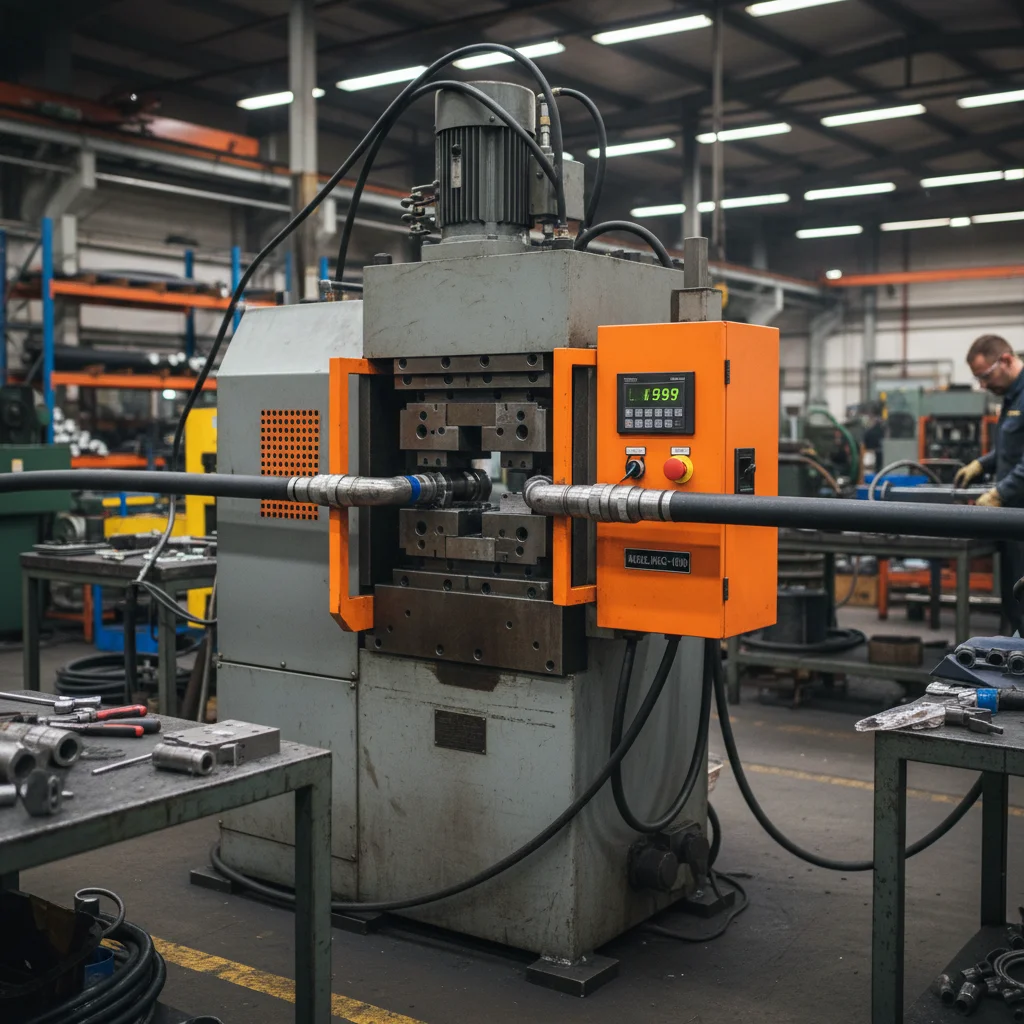
Understanding Hydraulic Hose Pipe Crimping Machine Price and Key Considerations
-
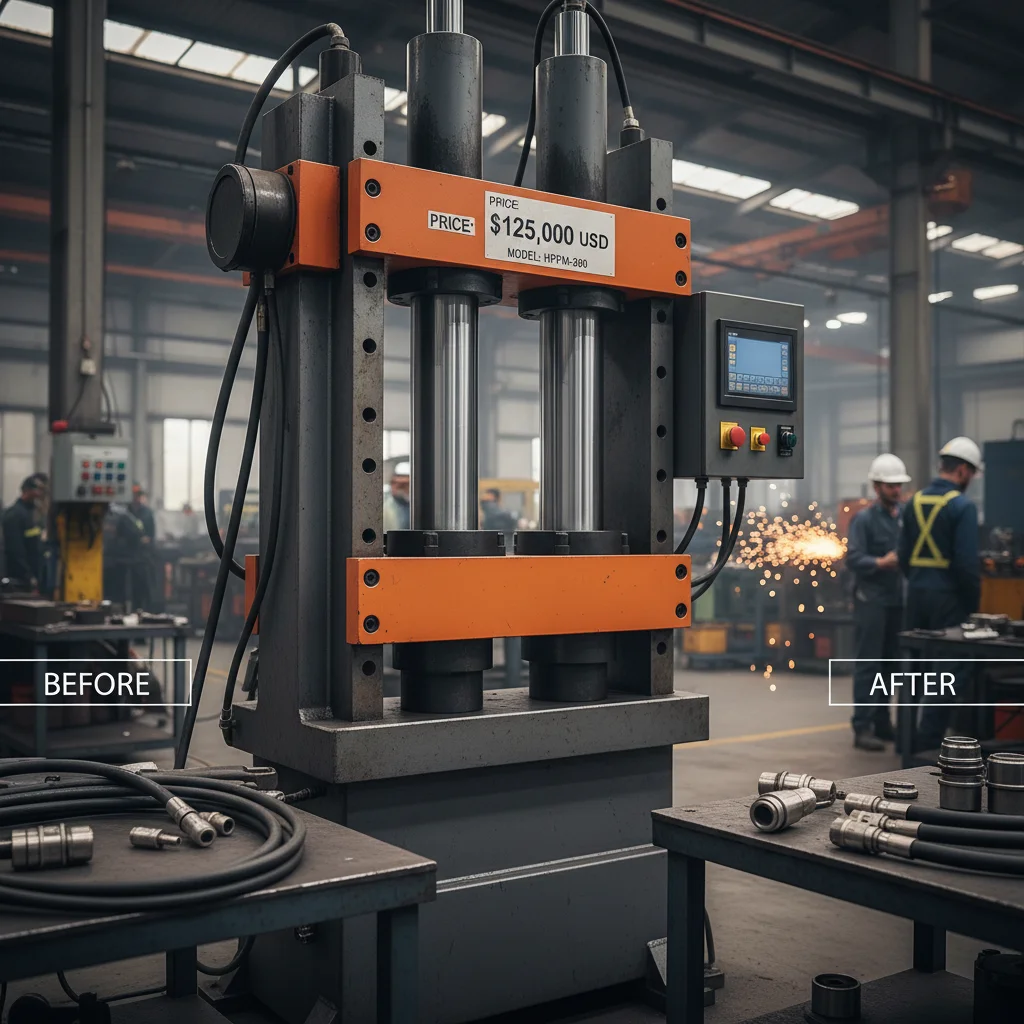
Understanding Hydraulic Pipe Pressing Machine Price and Market Dynamics
-
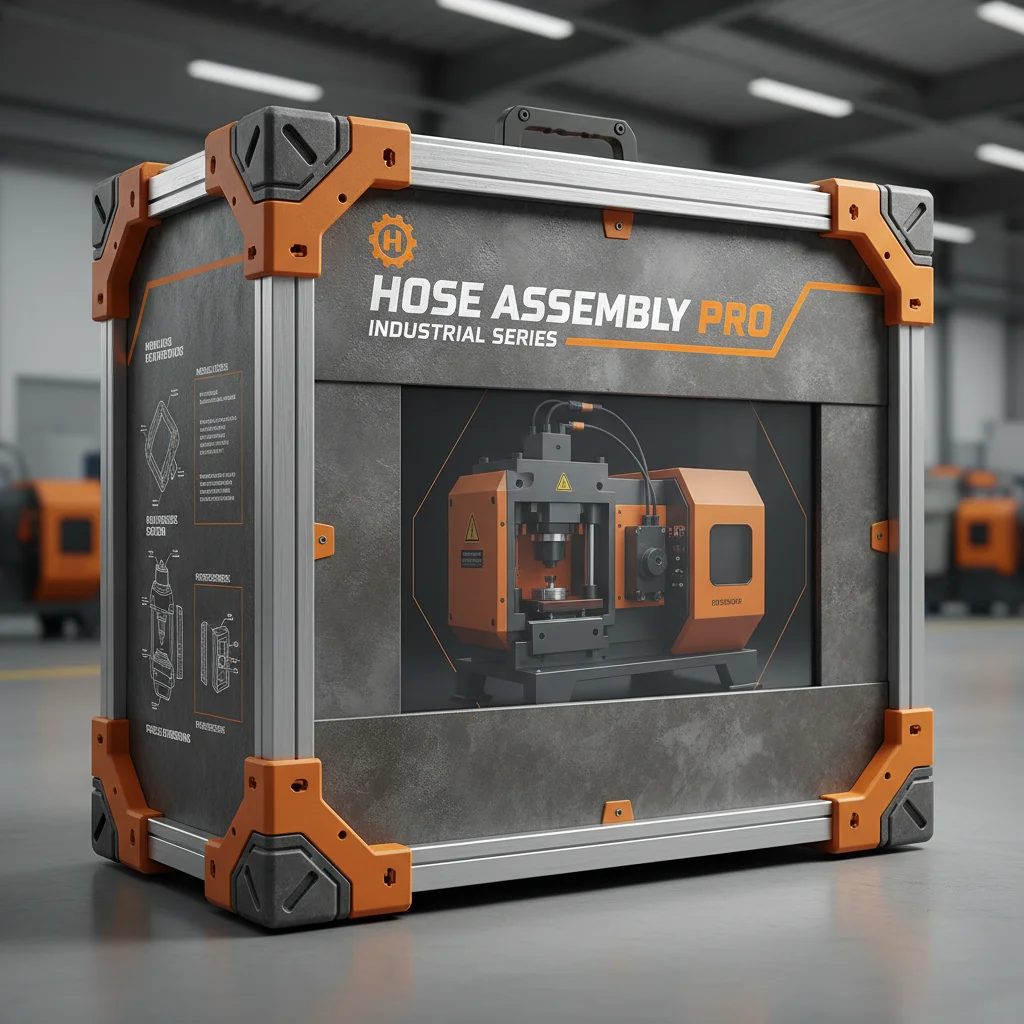
Investing in Reliable Hose Assembly Machines for Optimal Efficiency and Safety