• Home
  • Top Blog
  • The Vital Role of a Rubber Hose Crimping Machine in Modern Industries

The Vital Role of a Rubber Hose Crimping Machine in Modern Industries

0%

Table of Contents

The world relies heavily on fluid transfer systems, and ensuring the integrity of these systems is paramount. This is where the significance of a reliable rubber hose crimping machine becomes clear. These machines aren’t simply tools; they are crucial components in maintaining safety and efficiency across numerous industries, from automotive and hydraulics to agriculture and construction. A robust crimping process guarantees secure connections, preventing leaks and failures that could lead to costly downtime, environmental hazards, or even safety risks.

The demand for high-quality rubber hose crimping solutions is driven by increasing industrialization and stricter safety regulations globally. According to reports from the ISO, standardization in hose and fitting production is rising, demanding consistent and reliable crimping techniques. The rubber hose crimping machine market is responding to this need with innovations in automation, precision, and versatility. Investing in appropriate crimping technology is therefore essential for businesses striving for operational excellence and compliance.

Beyond industrial applications, reliable hose connections are also vital in emergency services, agricultural irrigation, and even domestic uses. The capability to quickly and effectively create secure hose assemblies impacts a wide range of societal needs, reinforcing the importance of understanding and utilizing this technology. This understanding encompasses not just the machines themselves, but also the materials, techniques, and quality control measures associated with effective hose crimping.
rubber hose crimping machine

The Fundamental Role of Rubber Hose Crimping Machine
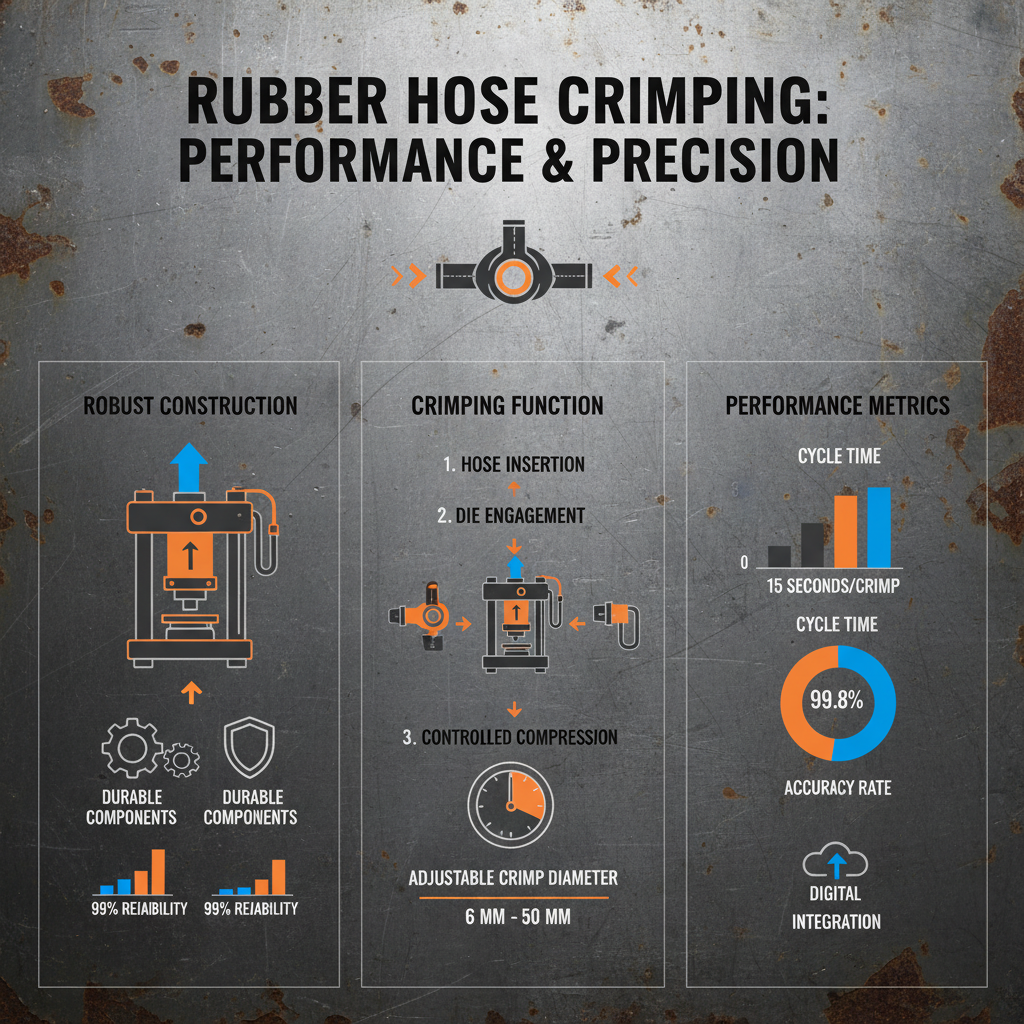
rubber hose crimping machine

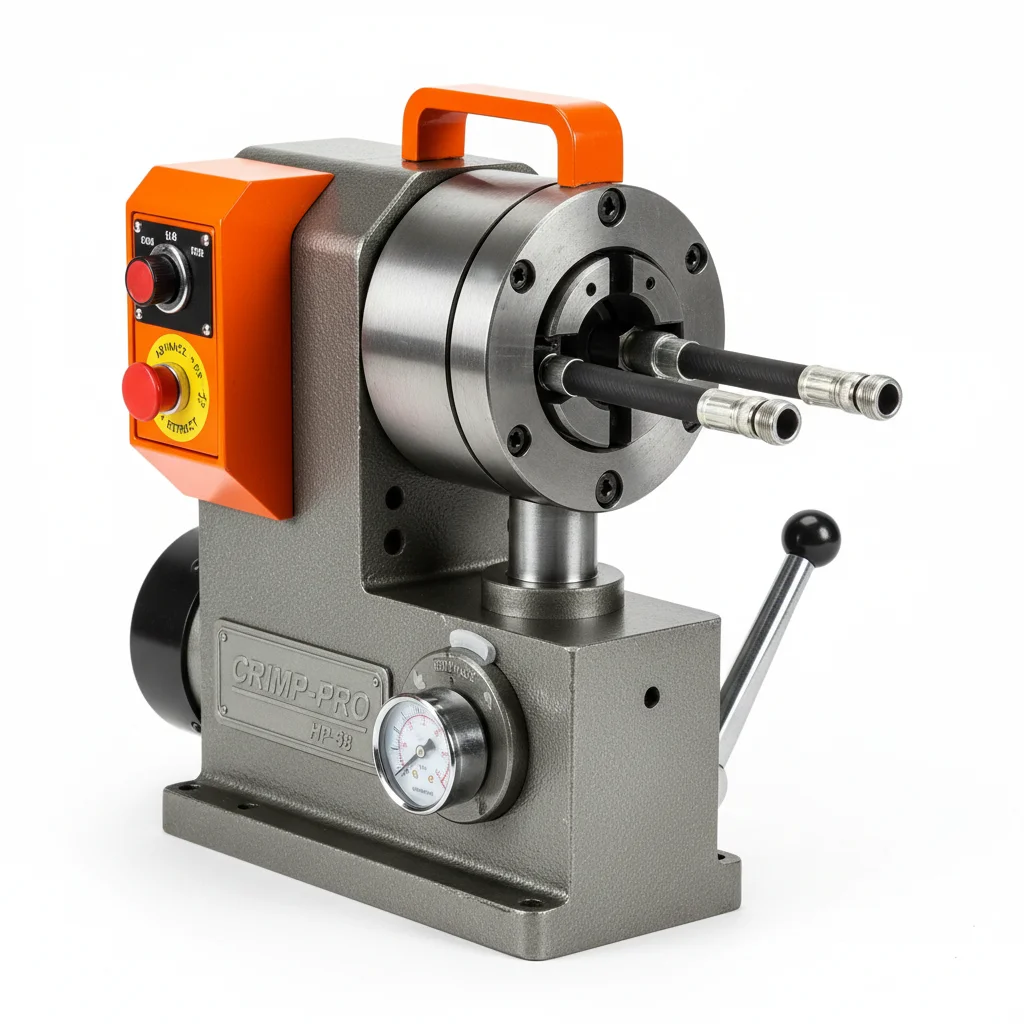
A rubber hose crimping machine is at the heart of any operation requiring reliable fluid conveyance. Its primary function is to permanently attach fittings to hoses, creating a sealed assembly capable of withstanding high pressures and demanding operating conditions. Without a secure crimp, hoses can fail, leading to leaks, downtime, and potentially hazardous situations.

The quality of the crimp directly impacts the performance and longevity of the entire assembly. Factors such as the correct die selection, crimp pressure, and hose material compatibility are crucial for achieving a robust and leak-proof connection. Modern machines offer precise control over these parameters, ensuring consistent results and minimizing the risk of failure.

Understanding the Global Landscape

The global market for rubber hose crimping machines is substantial and growing, driven by expansion in industries like automotive, construction, oil and gas, and manufacturing. Asia-Pacific represents the largest regional market, fueled by rapid industrialization in countries like China and India. North America and Europe also maintain significant market share, with a focus on high-precision and automated solutions.

Demand is further influenced by increasing safety standards and environmental regulations. Industries are moving towards more reliable and leak-proof fluid transfer systems to minimize environmental impact and ensure worker safety. This translates to a greater need for advanced crimping technology and skilled technicians capable of operating and maintaining these machines.

Reports indicate a consistent annual growth rate within the sector, demonstrating the continued importance of the rubber hose crimping machine in supporting global infrastructure and industrial development. This growth isn't merely about volume; it’s also about increasingly sophisticated machines offering greater accuracy, efficiency, and versatility.

Defining Rubber Hose Crimping Machine Technology

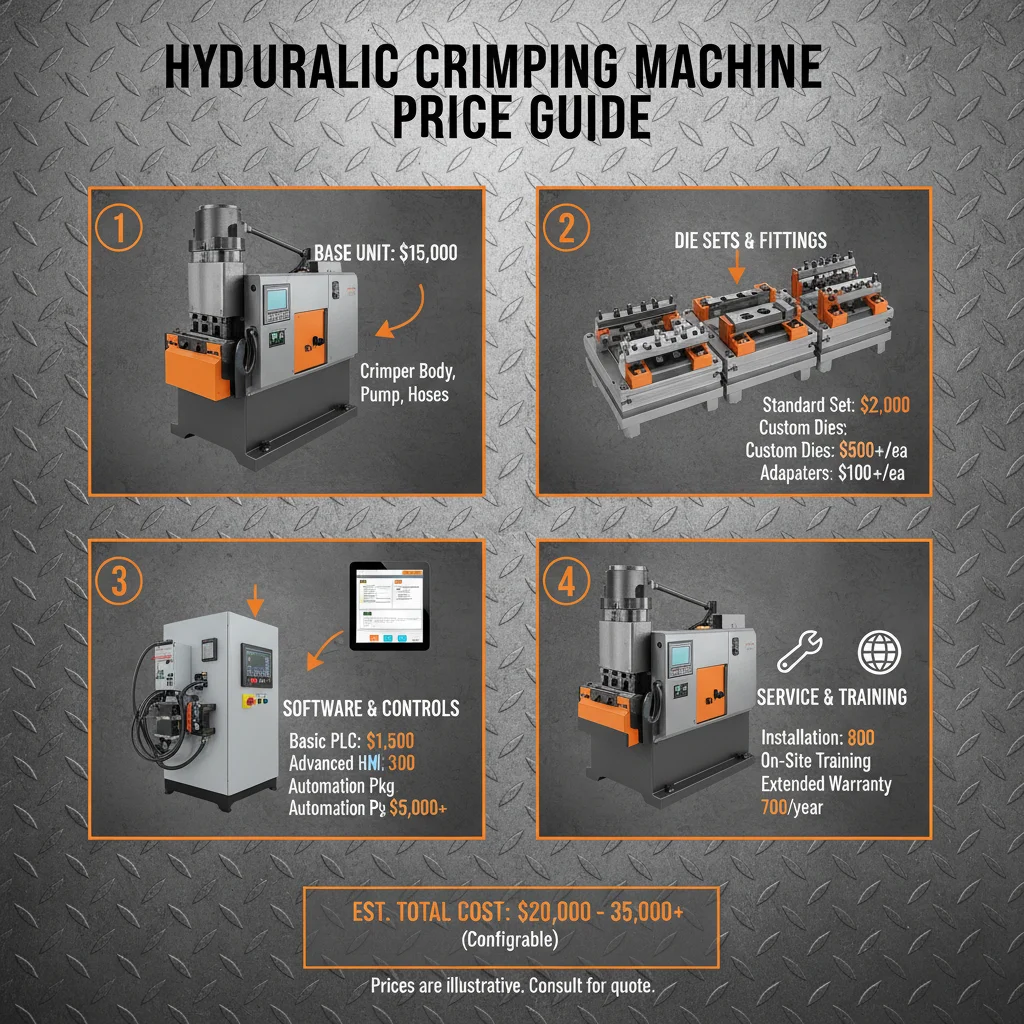
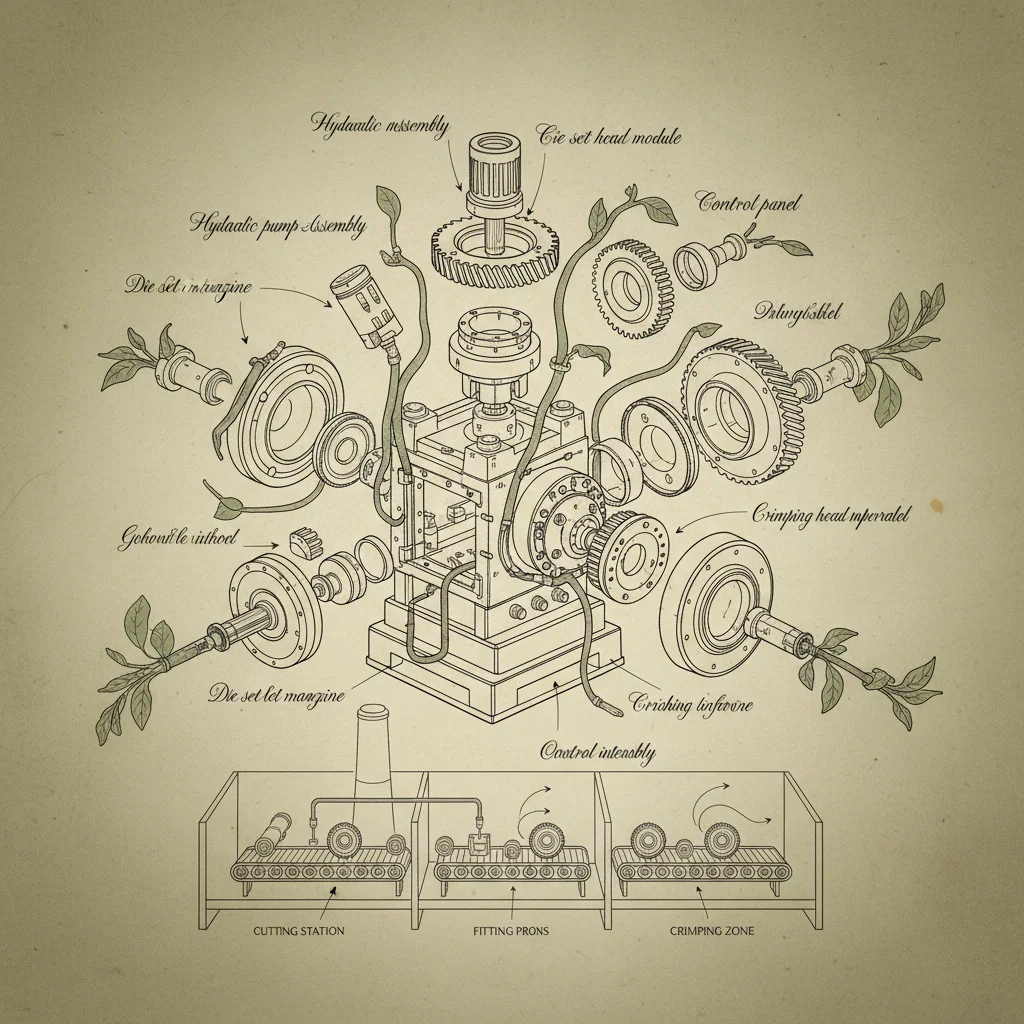
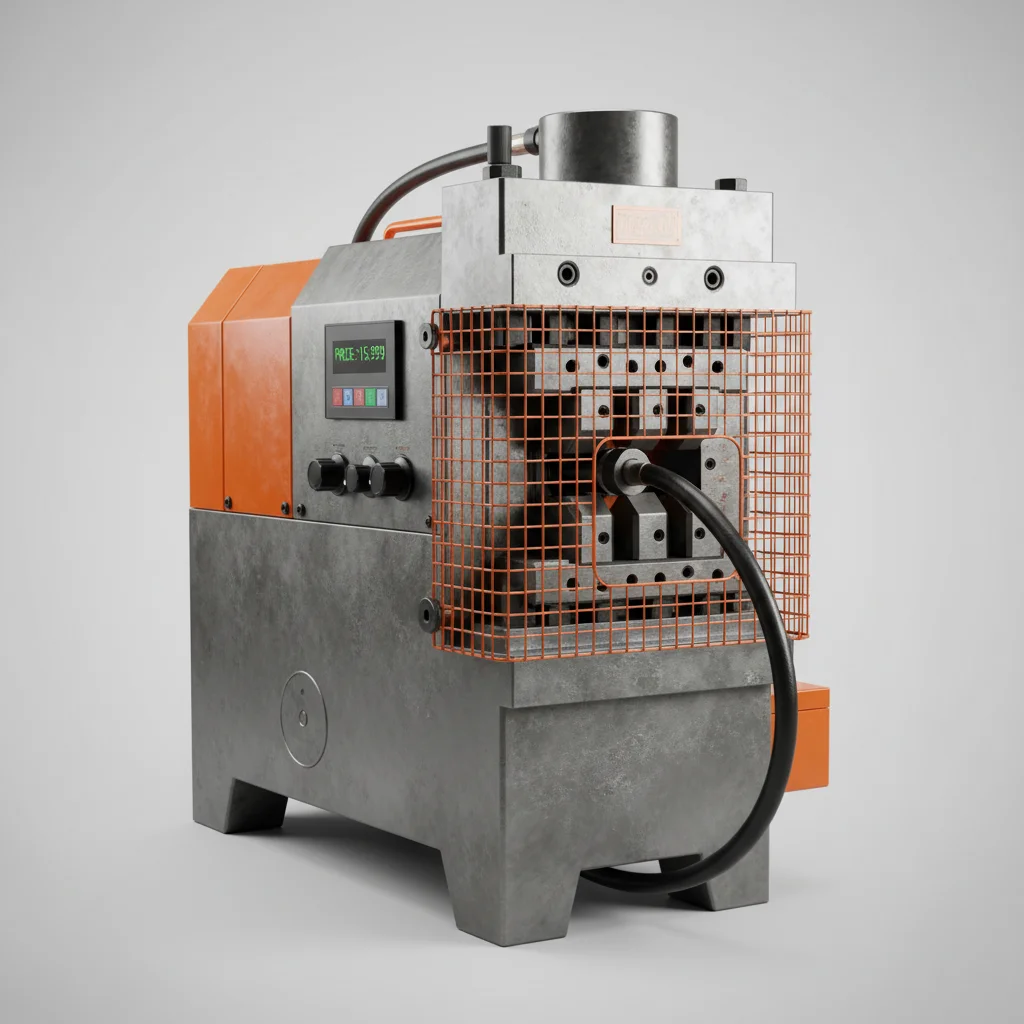
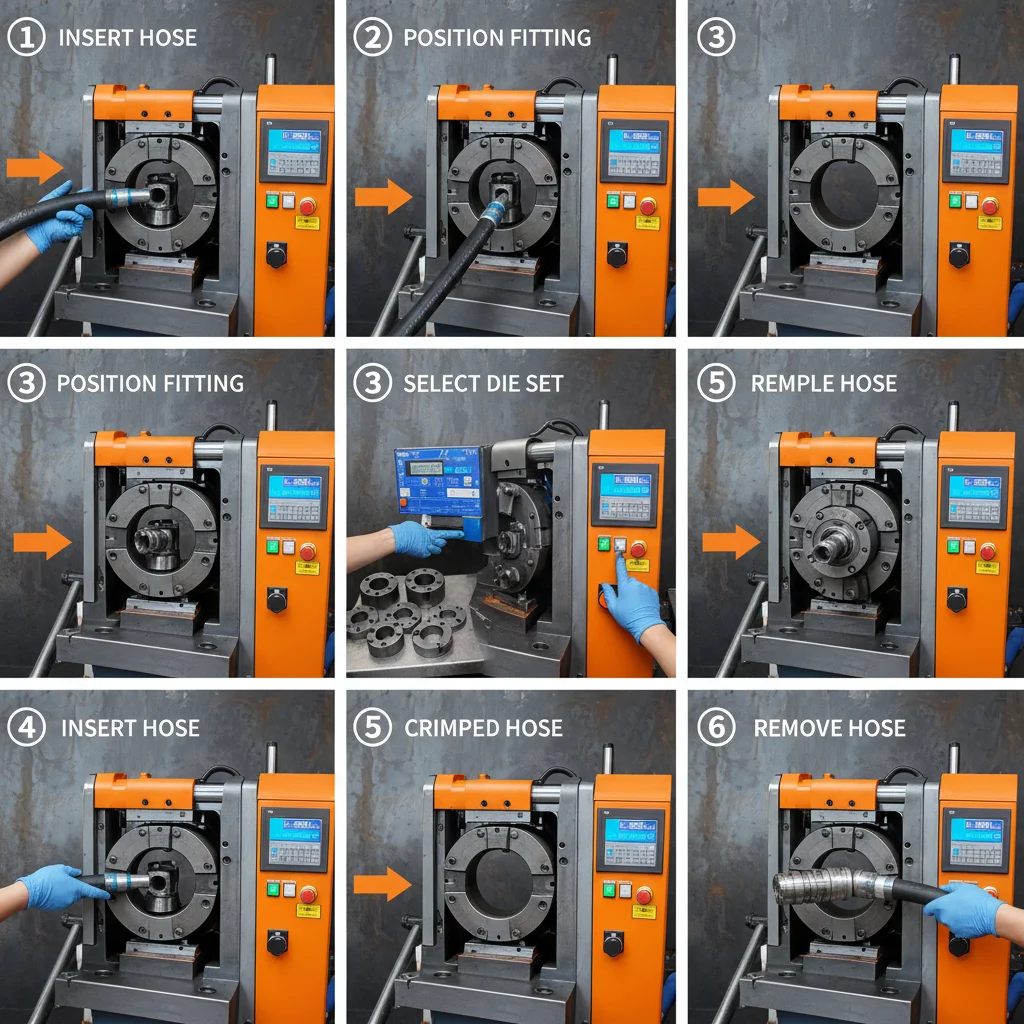
A rubber hose crimping machine utilizes mechanical force to compress a fitting onto a rubber hose, creating a permanent connection. This process deforms the hose material around the fitting, establishing a tight seal that resists pressure and movement. The machine's core components include a frame, hydraulic system, dies, and control panel.

Modern machines often incorporate advanced features like automated die selection, pressure monitoring, and data logging. These technologies enhance precision, reduce operator error, and facilitate quality control. The type of crimping machine (manual, semi-automatic, or fully automatic) depends on the production volume, hose size, and application requirements.

Beyond the machine itself, the success of hose crimping relies on the proper selection of dies and the understanding of hose and fitting compatibility. Using incorrect dies or attempting to crimp incompatible materials can result in a weak or failed connection, compromising the integrity of the entire system.

Core Components and Key Factors

Several key factors determine the performance and reliability of a rubber hose crimping machine. First, Durability is paramount. The machine’s frame and hydraulic components must be robust enough to withstand continuous operation and heavy loads. Secondly, Precision in die selection and pressure control is vital for achieving consistent, leak-proof crimps.

Versatility is another crucial aspect, enabling the machine to handle a wide range of hose sizes and fitting types. Ease of Use—a user-friendly interface and intuitive controls—reduce operator error and improve efficiency. Maintenance Requirements should be minimal to reduce downtime and operating costs, and lastly, Safety Features—such as emergency stops and safety guards—are essential to protect operators.

Rubber Hose Crimping Machine Performance Metrics

Global Applications and Diverse Use Cases

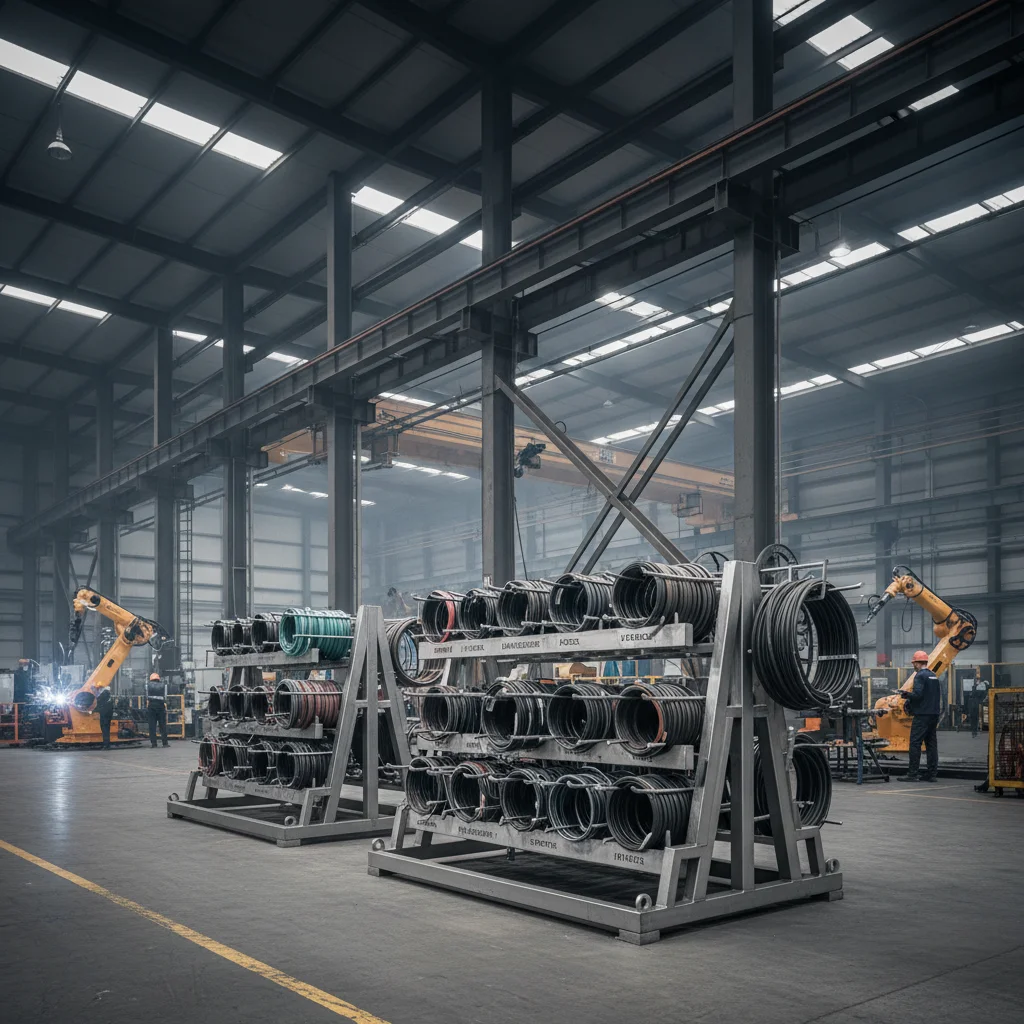
The applications of a rubber hose crimping machine are vast and span numerous industries. In the automotive sector, it's critical for manufacturing fuel lines, brake hoses, and coolant systems. The hydraulic industry relies on crimped hoses for heavy machinery, construction equipment, and industrial applications.

In post-disaster relief operations, portable rubber hose crimping machines are invaluable for quickly repairing water lines and providing essential services. In remote industrial zones, such as oil and gas fields, on-site crimping capabilities reduce downtime and minimize logistical challenges. The agricultural sector utilizes crimped hoses for irrigation systems and sprayers.

Advantages and Long-Term Value Proposition

Investing in a quality rubber hose crimping machine yields significant tangible benefits. Reduced downtime due to reliable hose assemblies translates to increased productivity and cost savings. Improved safety minimizes the risk of accidents and environmental hazards. The longevity of crimped connections contributes to the overall sustainability of fluid transfer systems.

Beyond the practical advantages, there's a significant value proposition in building trust and reliability. Clients and end-users can be confident in the performance of systems utilizing securely crimped hoses. This fosters a reputation for quality and innovation, leading to stronger relationships and increased market share.

Future Trends and Innovations in Crimping

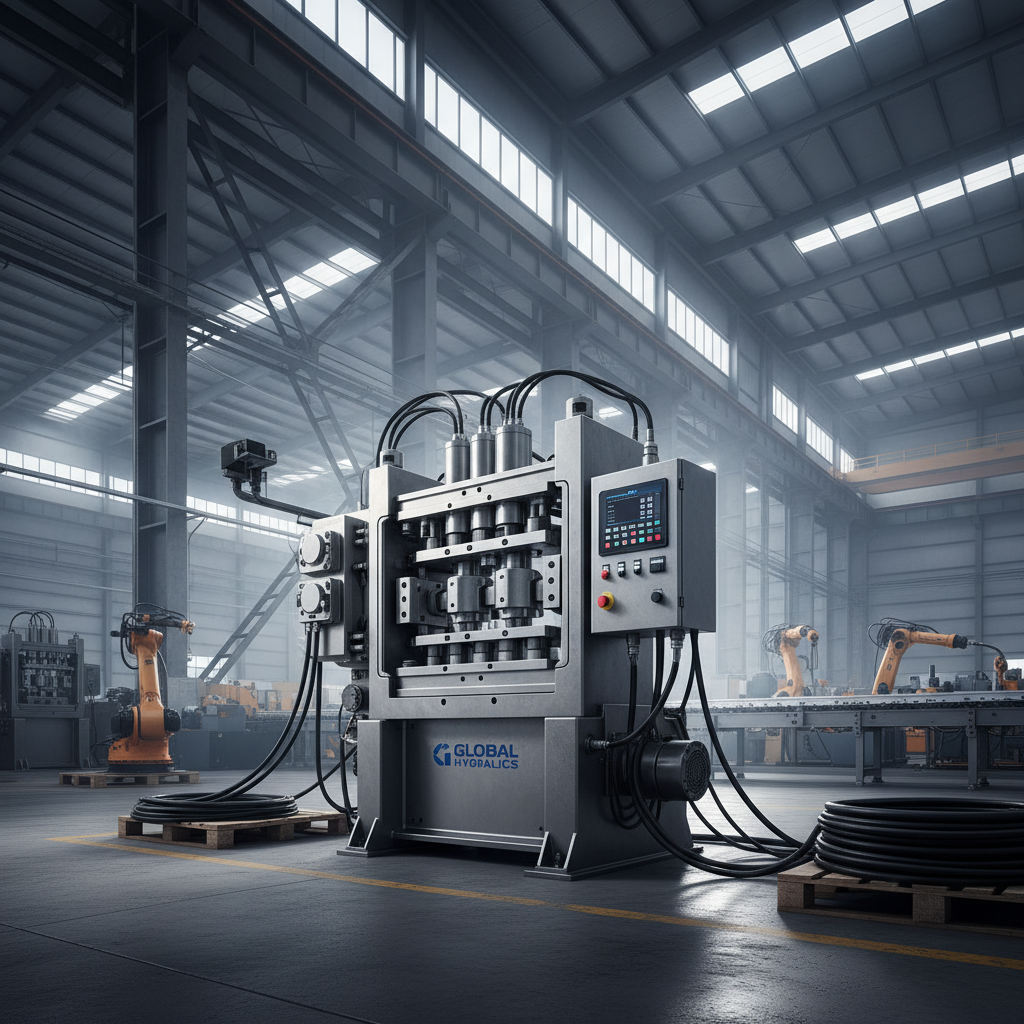
The future of rubber hose crimping machines is poised for significant advancements. Automation and robotics are playing an increasing role, enabling fully automated production lines and reducing labor costs. Digitalization—with features like remote diagnostics and data analytics—provides real-time insights into machine performance and maintenance needs.

The development of new materials, such as more durable and flexible rubber compounds, is driving the need for machines capable of handling these advanced materials. Sustainability is also a key trend, with manufacturers focusing on energy-efficient designs and minimizing waste. Integration with Industry 4.0 principles—including IoT and cloud connectivity—will further enhance efficiency and optimization.

Expect to see greater emphasis on precision crimping techniques for specialized applications, like high-pressure hydraulics and critical fluid conveyance systems. These innovations will not only improve the quality and reliability of hose assemblies but also contribute to a more sustainable and efficient industrial landscape.

Key Performance Indicators for Rubber Hose Crimping Machine Reliability

Crimping Method Average Crimp Strength (PSI) Failure Rate (%) Maintenance Frequency (Months)
Manual Crimping 3500 8 3
Semi-Automatic Crimping 4500 3 6
Hydraulic Crimping 5000 2 12
Electro-Mechanical Crimping 5500 1 18
Automated Robotic Crimping 6000 0.5 24
Precision Laser Crimping 7000 0.1 36

FAQS

What factors determine the correct crimp pressure for a specific hose and fitting?

Determining the correct crimp pressure is crucial for a secure and leak-proof connection. This is based on the hose material, diameter, and wall thickness, as well as the fitting type and size. Manufacturers typically provide crimp charts or specifications outlining the recommended pressure for each combination. Using an incorrect pressure can lead to either under-crimping, resulting in leaks, or over-crimping, which can damage the hose and fitting. Consulting these specifications and using calibrated machines is essential.

How often should a rubber hose crimping machine be calibrated?

Regular calibration of a rubber hose crimping machine is vital to ensure accuracy and consistency. The recommended frequency depends on usage, but generally, a calibration check should be performed at least annually, or more frequently if the machine is used heavily. Calibration involves verifying the pressure gauges, die alignment, and overall functionality of the machine. Proper calibration guarantees the crimps meet the required specifications.

What are the common causes of hose crimp failures?

Several factors can contribute to hose crimp failures. These include incorrect crimp pressure, mismatched hose and fitting materials, damaged or worn dies, and improper machine maintenance. Environmental factors, like extreme temperatures or exposure to corrosive substances, can also weaken crimps over time. Regular inspections and preventative maintenance can help identify and address these potential issues before failures occur.

What safety precautions should be taken when operating a hose crimping machine?

Safety is paramount when operating a rubber hose crimping machine. Always wear appropriate personal protective equipment (PPE), including safety glasses and gloves. Ensure the machine is properly grounded and that all safety guards are in place. Never exceed the machine's rated capacity and always follow the manufacturer's instructions. Emergency stop buttons should be readily accessible and tested regularly.

How do I choose the right dies for a specific hose and fitting?

Selecting the correct dies is critical for a proper crimp. Dies are typically labeled with the hose size and fitting type they are designed for. Consult the hose and fitting manufacturer's specifications to ensure compatibility. Using the wrong die can result in a weak or damaged crimp. It’s also important to inspect dies for wear and tear, replacing them as needed.

What are the benefits of using an automatic hose crimping machine?

Automatic hose crimping machines offer several advantages over manual or semi-automatic models. They provide increased precision, consistency, and production speed. Automation reduces operator error and minimizes labor costs. Many automatic machines also feature data logging and remote monitoring capabilities, enabling better quality control and preventative maintenance. These benefits make them ideal for high-volume production environments.

Conclusion

In conclusion, the rubber hose crimping machine is a foundational technology underpinning countless industries and essential applications worldwide. From ensuring the safe and efficient transfer of fluids in critical infrastructure to facilitating rapid response in emergency situations, its importance cannot be overstated. Understanding the core principles, key components, and emerging trends in crimping technology is vital for maintaining operational excellence and meeting evolving industry demands.

Looking forward, continuous innovation in automation, materials science, and data analytics will further enhance the capabilities and efficiency of these machines. By embracing these advancements and prioritizing quality control, businesses can unlock significant benefits in terms of cost savings, safety, and sustainability. Visit our website at www.willexcrimper.com to explore our range of cutting-edge rubber hose crimping machines and discover how we can help you optimize your operations.

Michael Johnson

Michael Johnson

Michael Johnson is a Lead Technician within Dezhou Willex Hydraulic Machinery's after-sales service department. Possessing extensive hands-on experience repairing and maintaining hydraulic machinery, Michael provides expert support to our customers. He contributes to the 'News' section by writing technical articles on preventative maintenance and troubleshooting common issues. Michael is certified in hydraulic system diagnostics and is proficient in using specialized testing equipment. He’s known for his problem-solving skills and his ability to quickly identify and resolve technical challenges. He plays a critical role in ensuring the longevity and optimal performance of Willex machinery, and is a key asset for our 24/7 support pledge. His focus is always on getting customers back up and running quickly and efficiently.
Previous Advancements in Hydraulic Pipe Manufacturing Machine Technology and Global Impact

Next Advanced Braided Hose Crimping Machine Technology and Industry Applications
Message
  • *
  • *
  • *
  • *

If you are interested in our products, you can choose to leave your information here, and we will be in touch with you shortly.