The global demand for efficient and reliable piping systems drives constant innovation in joining technologies. Understanding the pipe crimping machine price is crucial for industries ranging from construction and plumbing to oil & gas and infrastructure development. A well-informed decision regarding a pipe crimping machine can significantly impact project costs, timelines, and long-term operational efficiency. This understanding extends beyond simply the initial purchase cost, encompassing factors like maintenance, lifespan, and overall return on investment.
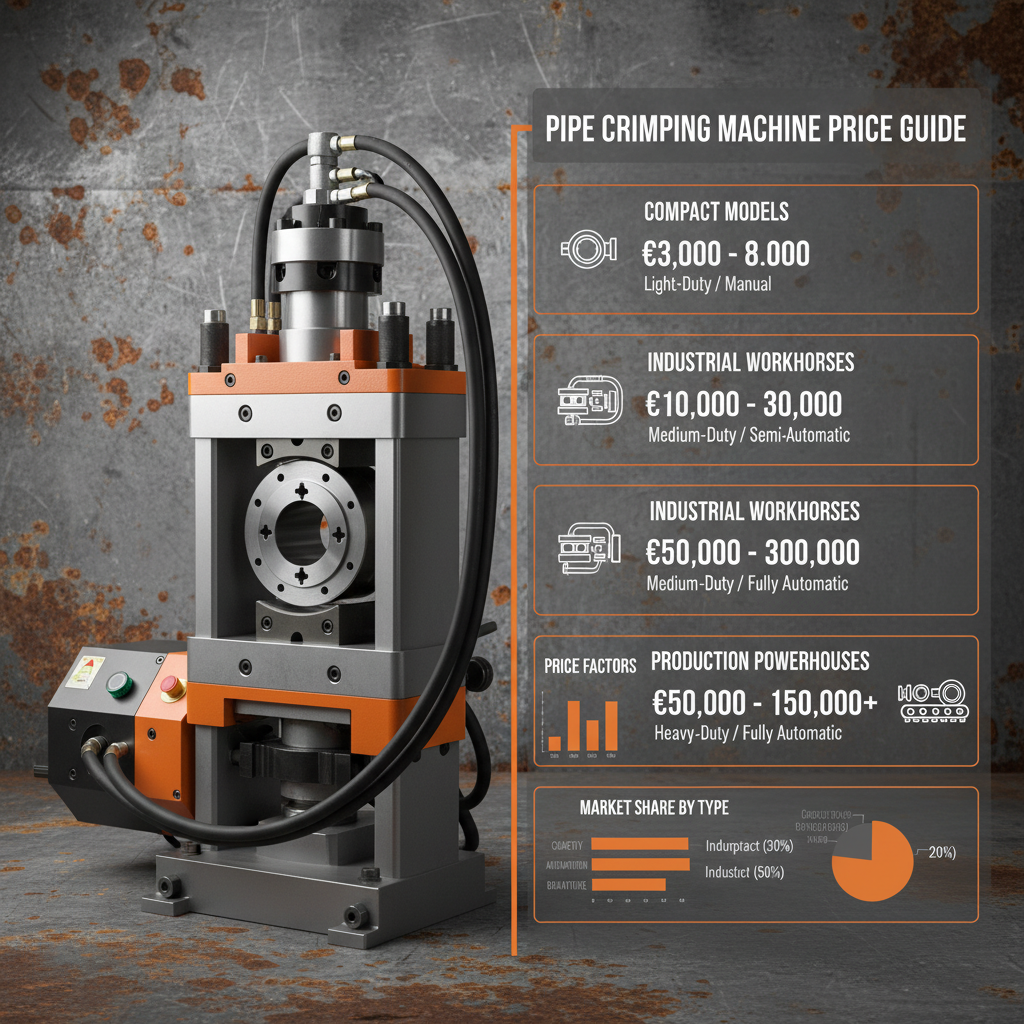
The pipe crimping machine price landscape is diverse, with options varying widely based on capacity, automation level, and the types of pipes they accommodate. This variety necessitates a thorough evaluation process, considering specific application needs and budgetary constraints. Fluctuations in material costs and global supply chains can also significantly influence pricing, making it essential to stay informed about current market trends. This knowledge empowers professionals to select the most appropriate and cost-effective solution for their projects.
Ultimately, investing in a high-quality pipe crimping machine, even at a slightly higher pipe crimping machine price, often translates to long-term savings through reduced downtime, minimized rework, and enhanced reliability. The impact of this investment extends beyond immediate financial benefits, contributing to safer, more sustainable, and more efficient operations across various sectors.
The Importance of pipe crimping machine price
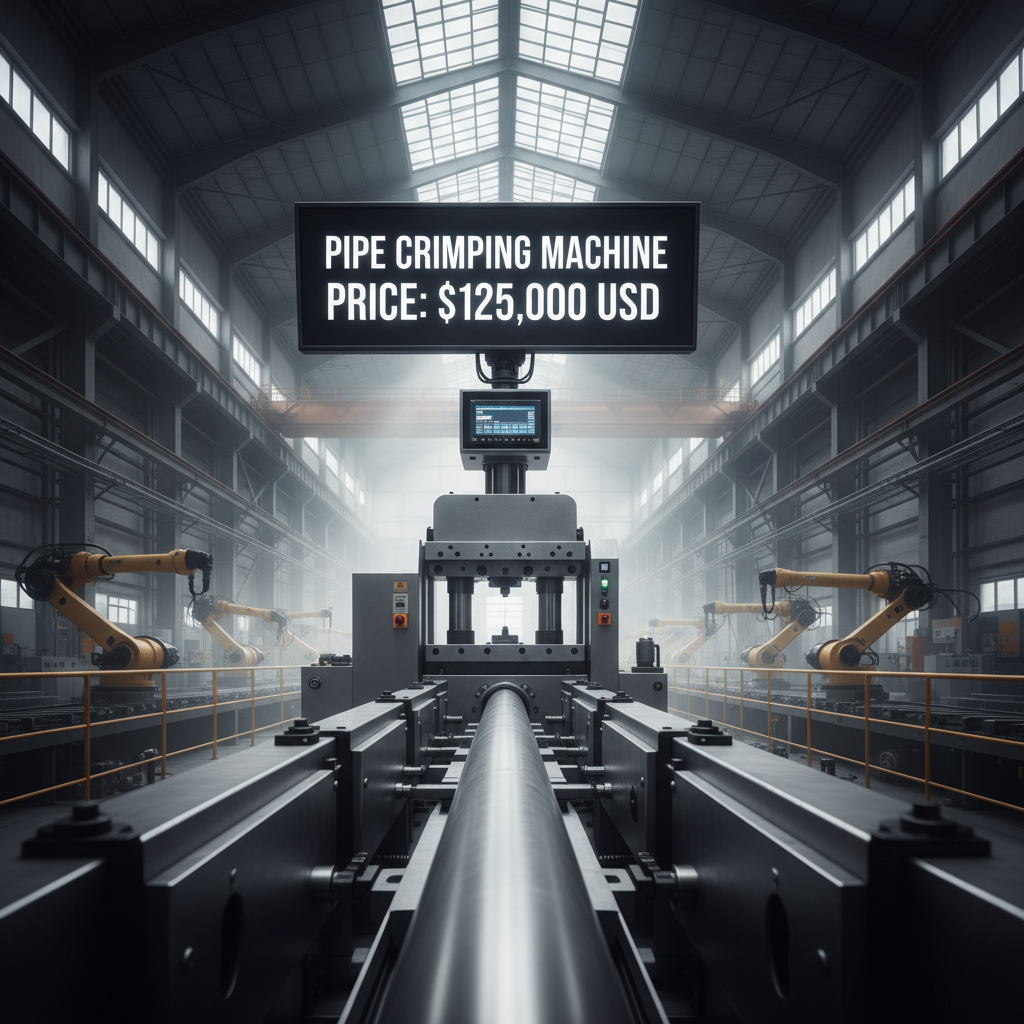
The pipe crimping machine price is a foundational element in numerous industries. Selecting the right machine impacts not only the initial project budget but also ongoing maintenance costs, operational efficiency, and the overall quality of the finished product. A careful consideration of the price, coupled with a thorough understanding of the machine’s capabilities, is essential for maximizing return on investment.
Properly crimped pipes ensure leak-proof connections, enhancing the safety and reliability of fluid or gas transport systems. Consequently, the pipe crimping machine price should be evaluated not merely as a cost, but as an investment in long-term performance and security.
Understanding the Factors Influencing pipe crimping machine price
Several key factors contribute to the pipe crimping machine price. The machine’s capacity—the maximum pipe diameter it can handle—is a significant determinant. Higher capacity machines typically command a higher price. Automation levels also play a role, with fully automatic machines generally being more expensive than manual or semi-automatic models.
The types of pipes the machine is designed to crimp—such as PEX, copper, or stainless steel—also influence the price. Machines capable of handling a wider range of pipe materials tend to be more versatile and therefore more expensive. Furthermore, brand reputation and the inclusion of advanced features like data logging and remote diagnostics can contribute to increased costs.
Finally, regional demand and supply chain dynamics significantly impact the pipe crimping machine price. Global events and fluctuations in raw material costs can all contribute to price volatility, making it crucial to research current market conditions before making a purchase.
Defining pipe crimping machine price and its Relevance
The pipe crimping machine price refers to the total cost associated with acquiring a machine designed to securely join pipes using a crimping process. This includes the initial purchase price of the machine itself, as well as any additional costs like shipping, installation, and initial training. It's important to differentiate between list price and the actual price paid, considering potential discounts or financing options.
The relevance of understanding the pipe crimping machine price extends far beyond simply finding the cheapest option. A lower price may indicate lower quality components, limited features, or a lack of reliable support. A higher price, conversely, doesn't always guarantee superior performance, but it often reflects greater durability, advanced technology, and comprehensive service.
Considering the long-term operational costs, such as energy consumption and maintenance, is vital when evaluating the overall price. Investing in a machine with a higher initial pipe crimping machine price but lower running costs may prove more economical in the long run.
Key Components Affecting pipe crimping machine price
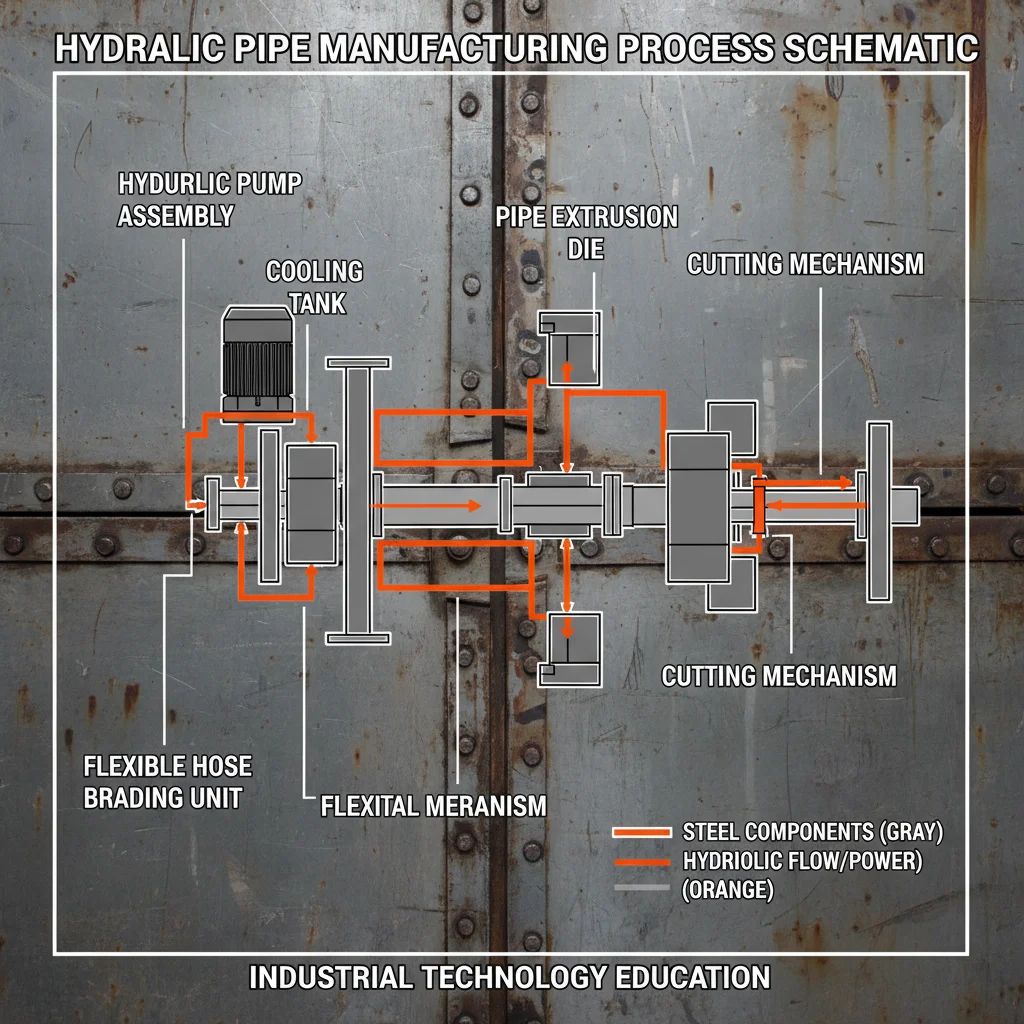
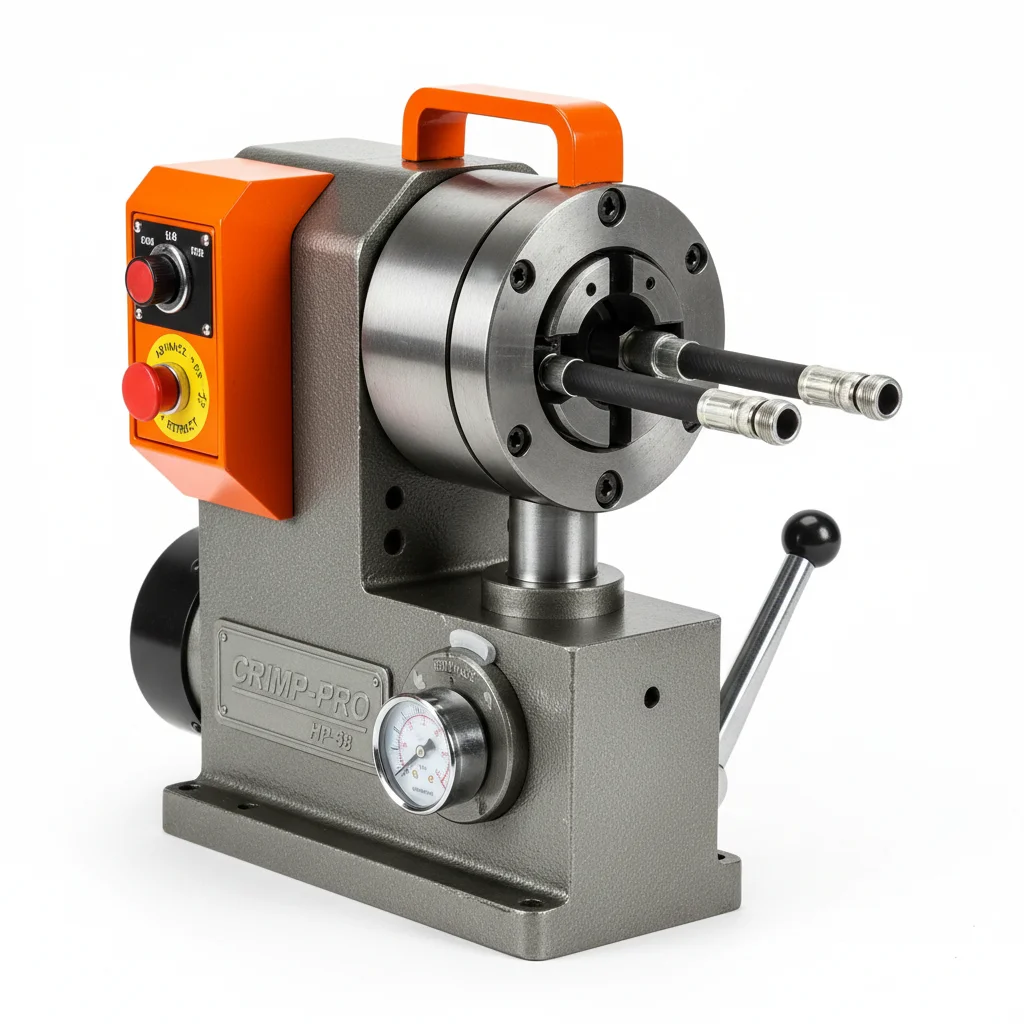
The pipe crimping machine price is directly influenced by the quality and sophistication of its key components. The crimping head, responsible for forming the secure connection, is a critical factor. High-quality crimping heads are typically made from durable materials and designed for precise and consistent performance.
The hydraulic or electric system powering the machine also contributes significantly to the overall price. More powerful and efficient systems generally come with a higher price tag. The control system—whether manual, semi-automatic, or fully automatic—also plays a role, with advanced automation features increasing the cost.
Component Cost Breakdown – Impact on pipe crimping machine price
Global Applications of pipe crimping machine price
The need for reliable piping systems—and therefore, efficient pipe crimping machines—is universal. In developed nations, these machines are crucial for large-scale infrastructure projects, residential plumbing, and industrial applications. The pipe crimping machine price in these regions often reflects a demand for automation, precision, and advanced features.
In developing countries, pipe crimping machines play a vital role in expanding access to clean water and sanitation. Organizations involved in humanitarian aid and disaster relief utilize these machines for rapid deployment of water supply systems. Even in remote industrial zones, affordable and durable pipe crimping machines are essential for maintaining operational efficiency.
Advantages and Long-Term Value of pipe crimping machine price
Investing in a quality pipe crimping machine, even with a higher initial pipe crimping machine price, offers significant long-term advantages. Reduced downtime due to fewer malfunctions translates to cost savings. Consistent, reliable crimps minimize leaks and rework, improving operational efficiency and safety.
Furthermore, a durable machine with readily available replacement parts extends its lifespan, maximizing return on investment. The peace of mind that comes with using a dependable system, knowing connections are secure and compliant with industry standards, adds intangible but valuable benefits.
Future Trends and Innovations in pipe crimping machine price
The future of pipe crimping technology is focused on increased automation, smart features, and sustainable practices. Expect to see more machines incorporating data analytics for predictive maintenance and improved performance monitoring. The development of lighter, more energy-efficient machines will also drive innovation.
Integration with Building Information Modeling (BIM) software and remote diagnostics will become increasingly common. Furthermore, the demand for machines capable of handling new pipe materials and adapting to evolving industry standards will continue to shape the pipe crimping machine price landscape.
Sustainability is also a growing concern, leading to the development of machines with reduced energy consumption and environmentally friendly manufacturing processes.
Summary of Key Factors in Pipe Crimping Machine Selection
| Pipe Material Compatibility |
Automation Level |
Maintenance Requirements |
Overall Cost (including lifetime) |
| PEX, Copper, Stainless Steel |
Manual, Semi-Automatic, Fully Automatic |
Frequency of servicing, availability of parts |
$500 - $10,000+ |
| CPVC, PE |
Primarily Manual |
Low, generally simple maintenance |
$200 - $2,000 |
| High-Density Polyethylene (HDPE) |
Often requiring specialized automated systems |
Moderate, requiring skilled technicians |
$5,000 - $20,000+ |
| Multi-Material Capability |
Typically Fully Automatic with quick-change tooling |
High, requiring regular calibration and maintenance |
$10,000 - $50,000+ |
| Limited Material Range |
Usually Manual or Semi-Automatic |
Minimal, simple operation |
Under $500 |
| Specialty Alloys |
Often requires custom-built automated machines |
Very High, specialized expertise required |
$20,000+ |
FAQS
The lifespan of a pipe crimping machine varies widely based on usage, maintenance, and build quality. A well-maintained, high-quality machine can realistically last for 10-20 years or even longer. However, frequent heavy use or neglecting regular servicing can significantly reduce its lifespan. Factors like the quality of the crimping head and hydraulic system are particularly important. Investing in a machine with readily available spare parts also contributes to a longer operational life.
Automation significantly impacts the pipe crimping machine price. Manual machines are the least expensive, but require more labor and can have inconsistent results. Semi-automatic machines offer a balance of cost and efficiency, while fully automatic machines are the most expensive, but deliver the highest speed, precision, and consistency. The cost of the control system, sensors, and programming contribute to the increased price of automated machines.
Regular maintenance is crucial for ensuring the longevity and performance of a pipe crimping machine. This includes lubricating moving parts, inspecting and replacing worn crimping dies, checking hydraulic fluid levels, and cleaning the machine regularly. Calibration checks are also essential to maintain accuracy. The frequency of maintenance depends on usage, but a schedule should be established and followed diligently.
Safety is paramount when operating a pipe crimping machine. Operators should always wear appropriate personal protective equipment (PPE), including safety glasses and gloves. It's essential to follow the manufacturer's instructions carefully and to never attempt to crimp pipes that are outside the machine's specified capacity. Emergency stop buttons should be readily accessible, and the machine should be properly grounded to prevent electrical hazards.
When selecting a machine, consider the types and sizes of pipes you’ll be working with, the volume of work, the required level of precision, and your budget. The location of use is also vital, as portable machines are suited for on-site work, whereas stationary machines are optimal for workshop use. Ensure the machine meets relevant industry standards and certifications for your specific application.
Regular visual inspections of crimped connections are essential. Look for consistent deformation of the crimp ring and ensure there are no gaps or cracks. Periodically perform pull tests to verify the strength and integrity of the connections. Calibration checks of the machine should also be performed regularly to maintain accuracy and ensure the crimping force is within the specified range.
Conclusion
In conclusion, understanding the pipe crimping machine price is far more complex than simply comparing initial costs. It requires a holistic evaluation of factors like capacity, automation, maintenance, durability, and long-term operational efficiency. A well-informed investment in the right machine translates to significant cost savings, enhanced safety, and improved project outcomes across diverse industries.
Looking ahead, the continued evolution of pipe crimping technology promises increased automation, smarter features, and greater sustainability. Staying abreast of these advancements will be crucial for maximizing the value of your investment and maintaining a competitive edge. For detailed information and to explore our range of pipe crimping machines, visit our website: www.willexcrimper.com